 0
0
 0
0
July 23, 2026
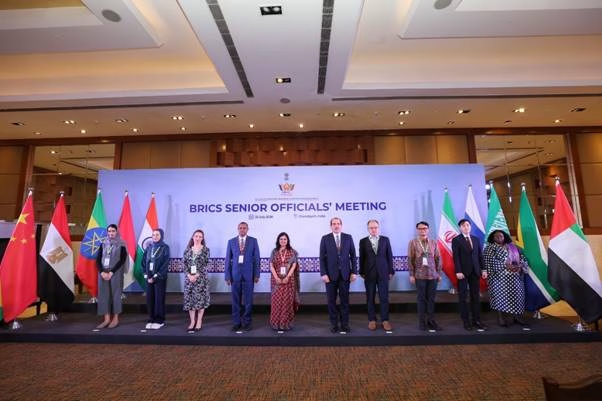
On Wednesday, senior health officials from across the expanded BRICS nations convened in Chandigarh, India, to forge a unified strategy against the world’s most pressing public health challenges. Spearheaded by India’s Union Health Secretary, Smt. Punya Salila Srivastava, the Senior Officials’ Meeting served as a critical precursor to the 16th BRICS Health Ministers’ Meeting. The delegates focused on finalizing a landmark declaration aimed at building resilient health systems, ensuring equitable access to medicines, and integrating traditional medicine with modern digital healthcare.
With the recent expansion of the BRICS bloc—now representing nearly half of the global population and a massive share of the world’s pharmaceutical manufacturing capacity—this summit marks a pivotal moment. It transitions the coalition from an economic alliance into a formidable force in global health diplomacy.
A Nine-Point Blueprint for Global Health
In her inaugural address, Smt. Srivastava emphasized that Chandigarh’s reputation for thoughtful, sustainable development perfectly mirrored India’s BRICS Chairship theme: “Building for Resilience, Innovation, Cooperation and Sustainability.”
She outlined nine priority areas identified by India under the BRICS Health Track. These priorities are designed to prevent the systemic failures witnessed during recent global health emergencies:
-
Strengthening health infrastructure to ensure hospitals and clinics can withstand sudden surges in patient volume.
-
Enhancing emergency preparedness through interconnected global surveillance systems and laboratory networks.
-
Leveraging digital health technologies to make patient data more accessible and secure.
-
Integrating traditional medicine into mainstream healthcare systems.
-
Strengthening regulatory frameworks to ensure the safety and efficacy of medical products.
-
Developing a skilled health workforce equipped to handle modern medical challenges.
-
Promoting collaborative research and development (R&D), particularly in vaccine creation.
-
Ensuring equitable access to affordable essential medicines.
-
Combating Antimicrobial Resistance (AMR), a growing threat where bacteria evolve to survive antibiotics.
“The expanded BRICS bloc… provides an unprecedented opportunity to shape the future of global health through innovation and consensus-driven solutions,” Srivastava noted during the summit.
Focus on Mental Health and Preventative Care
A significant highlight of the summit was India’s introduction of two flagship initiatives: the BRICS Mission for Healthy Lifestyle and the proposed BRICS Network of Centres of Excellence for Mental Health.
According to the World Health Organization (WHO), roughly 1 in 8 people globally live with a mental health condition, a crisis exacerbated by recent global disruptions. The proposed Network of Centres of Excellence aims to pool resources, research, and psychiatric expertise across member nations to support individuals experiencing mental health conditions.
Dr. Marcus Thorne, an independent global health policy analyst at the Institute for International Health Innovation (who was not involved in the summit), views this as a vital step. “For too long, international health summits have sidelined mental health in favor of infectious diseases,” Dr. Thorne explains. “By creating a dedicated network, BRICS nations are acknowledging that mental wellness is foundational to economic and social stability. However, the true test will be funding these centers adequately across diverse economies.”
Bridging the Gap: Digital Health and Traditional Medicine
Alongside policy discussions, the summit featured exhibition pavilions from the Food Safety and Standards Authority of India (FSSAI), the National Health Authority (NHA), and the Ministry of AYUSH (Ayurveda, Yoga and Naturopathy, Unani, Siddha, and Homeopathy).
These exhibits provided a tangible look at how India is attempting to blend ancient practices with cutting-edge technology. For example, the NHA pavilion showcased digital health records—systems that allow patients to carry their medical history on their smartphones, reducing diagnostic errors and duplicate testing. Meanwhile, the AYUSH pavilion demonstrated the growing clinical interest in standardizing traditional remedies so they can be safely used alongside conventional treatments.
Practical Implications for the Public
For the average consumer, high-level diplomatic meetings can often feel disconnected from daily life. However, the policies negotiated in Chandigarh have direct, long-term implications for everyday healthcare:
-
Cheaper Medicines: Enhanced pharmaceutical cooperation among BRICS nations (which include generic drug powerhouses like India) could streamline the approval process for essential medications, lowering out-of-pocket costs for consumers globally.
-
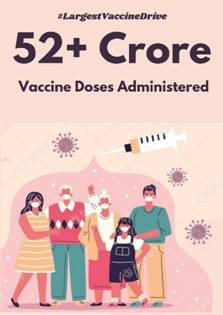
Better Pandemic Readiness: The continued support for the BRICS Vaccine Research and Development Centre means that in the event of a new viral outbreak, member nations can share genetic data and manufacture vaccines faster, preventing prolonged lockdowns.
-
Holistic Treatment Options: The push to integrate traditional medicine means patients may soon see more standardized, scientifically backed holistic therapies offered within their primary care clinics.
Limitations and the Road Ahead
Despite the optimism, translating the BRICS Health Ministers’ Declaration into actionable, cross-border reality faces distinct challenges.
Critics point out that the expanded BRICS bloc encompasses nations with vastly different healthcare infrastructure, regulatory standards, and political priorities. Harmonizing pharmaceutical regulations, for instance, is notoriously difficult. A drug approved rapidly in one member state may still require years of clinical trials to meet the safety standards of another.
Furthermore, while the commitment to Universal Health Coverage (UHC) is noble, financing these initiatives remains a hurdle for member states grappling with domestic economic pressures.
As the Senior Officials’ Meeting concluded with technical consultations on the draft declaration, the focus now shifts to the upcoming 16th BRICS Health Ministers’ Meeting. There, the finalized document is expected to be adopted, officially setting these ambitious health targets into motion.
Medical Disclaimer: This article is for informational purposes only and should not be considered medical advice. Always consult with qualified healthcare professionals before making any health-related decisions or changes to your treatment plan. The information presented here is based on current research and expert opinions, which may evolve as new evidence emerges.
References
-
Primary Source: Press Information Bureau (PIB), Government of India. (2026, July 22). Senior Officials’ Meeting Held in Chandigarh as Part of Ongoing BRICS Health Ministerial Meetings Under India’s Chairship. Ministry of Health and Family Welfare.