 0
0
 0
0
KINSHASA, Democratic Republic of the Congo — The Democratic Republic of the Congo (DRC) is facing one of the most rapid and formidable viral threats in its public health history. Official health data released on July 20, 2026, and corroborated by the European Centre for Disease Prevention and Control (ECDC) and the World Health Organization (WHO), reveals that confirmed Ebola cases have reached 2,473, with the death toll climbing to 999.
The resurgence, driven by the rare Bundibugyo strain of the virus, has spread rapidly across five eastern provinces since it was first declared in mid-May 2026. Driven by ongoing armed conflict, severe logistics barriers, and gaps in contact tracing, public health authorities warn that the epidemic continues to outrun response efforts on the ground.
The Latest Figures: Accelerating Transmission in Eastern DRC
According to updates from the National Public Health Institute of the DRC, health workers recorded 50 new confirmed cases in a single 24-hour period entering July 22. Currently, at least 737 patients remain isolated in specialized treatment centers across the region.
The epicenter remains concentrated in Ituri province, which accounts for approximately 90% of all confirmed infections nationwide. However, the virus has increasingly crossed provincial borders into areas with fragile infrastructure.
| Affected Province | Confirmed Cases | Reported Deaths | Case Fatality Rate |
| Ituri | 2,202 | 838 | ~38% |
| North Kivu | 247 | 146 | ~59% |
| South Kivu | Sporadic | Sporadic | — |
| Haut-Uele | Sporadic | Sporadic | — |
| Tshopo | Sporadic | Sporadic | — |
“The outbreak has been reported in five provinces, but Ituri remains the epicenter. Let’s be very clear, this outbreak remains ahead of us and we are still in the phase of catching up.”
— Dr. Thierno Baldé, Incident Manager for the Ebola Response, World Health Organization
Transmission is currently active in 47 of the 140 health zones spanning these five provinces. In northern North Kivu—a sub-region known as Grand Nord Kivu—humanitarian groups note that the local case fatality rate has spiked near 60%, largely because patients arrive at health facilities too late or avoid care entirely due to local insecurity.
Why This Outbreak Is Different: The Bundibugyo Challenge
Ebola is a severe, often fatal hemorrhagic fever transmitted through direct contact with blood, secretions, organs, or other bodily fluids of infected humans or animals. Unlike respiratory pathogens such as influenza or SARS-CoV-2, Ebola does not spread through casual airborne contact.
However, the current emergency presents two alarming features that distinguish it from recent historical outbreaks:
-
No Approved Vaccine or Specific Antiviral: Previous successful containment campaigns in the DRC relied heavily on the Ervebo vaccine, which is highly effective against the Zaire ebolavirus strain. The current outbreak is caused by the Bundibugyo virus (Bundibugyo ebolavirus), for which no licensed vaccine or specific targeted monoclonal antibody therapy exists.
-
Record-Breaking Spread: The WHO declared the situation a Public Health Emergency of International Concern (PHEIC) on May 17, 2026. In terms of velocity, it has become the fastest-growing Ebola outbreak on record, crossing the 2,400-case threshold faster than the catastrophic 2013–2016 West Africa epidemic.
While clinical trials evaluating candidate therapeutics and diagnostic tools are currently being accelerated under WHO oversight, patient survival currently hinges on aggressive supportive care—including intravenous rehydration, electrolyte management, and symptomatic treatment.
Frontline Complexities: Conflict and Community Friction
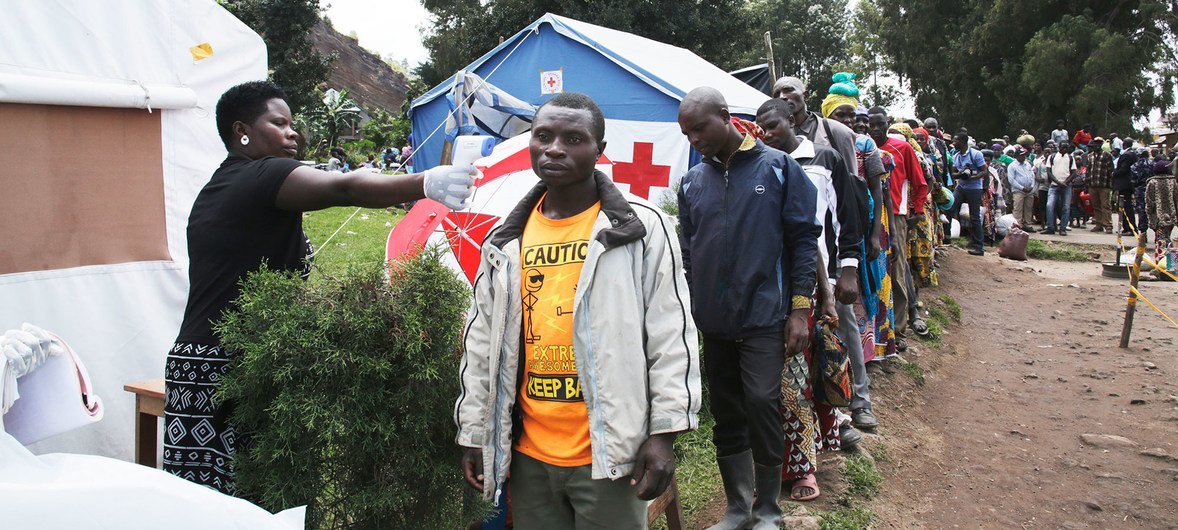
Containing Ebola relies on four operational pillars: rapid diagnosis, immediate isolation, meticulous contact tracing, and safe and dignified burials to prevent post-mortem transmission. In eastern DRC, each pillar faces severe strain.
Decades of active armed conflict involving non-state militia groups have displaced millions of civilians and made major roads hazardous for health workers. Misinformation and deep-seated community mistrust have led to attacks on response vehicles and treatment centers.
“The biggest challenge remains resistance from, or outright refusal by, some communities to accept response teams. On several occasions, burial teams have had to be escorted by security forces to ensure that safe burials could be carried out without incident.”
— Robert Ndjalonga, Head of Civil Protection, Ituri Province
Epidemiological surveillance data indicates that as many as 80% of new cases are emerging from previously untracked chains of transmission. Furthermore, public health reporting indicates that more than 60% of deaths are occurring in homes before individuals can reach isolation units. This high rate of community deaths significantly increases the risk of secondary transmission among family members and caregivers.
┌─────────────────────────────────────────────────────────────────┐
│              EBOLA TRANSMISSION & RESPONSE CHAIN                │
├─────────────────────────────────────────────────────────────────┤
│  Infected Individual ──► Direct Fluid Exposure ──► New Infection │
│         │                                               │       │
│         ▼                                               ▼       │
│  Early Symptoms:           Community Transmission     Unmonitored│
│  Fever, Fatigue, Muscle    Risk (Up to 60% of deaths  Contacts  │
│  Pain, Headache            occur outside hospitals)   (~20-50%) │
│         │                                                       │
│         ▼                                                       │
│  Response Barriers: Misinformation, Insecurity, Financial Strains│
└─────────────────────────────────────────────────────────────────┘
Regional Footprint and Historical Context
This outbreak represents the DRC’s 17th documented experience with Ebola since the virus was first identified near the Ebola River in 1976. The nation’s largest outbreak, spanning 2018 to 2020 in the same eastern territory, resulted in nearly 2,300 fatalities before being brought under control.
Neighboring countries remain on high alert. Uganda reported 20 localized cases earlier in the outbreak following cross-border travel but has registered no new infections since late June. Ugandan authorities have initiated the mandatory 42-day post-discharge countdown toward officially declaring their domestic outbreak over, demonstrating the vital role of rapid cross-border monitoring.
Practical Takeaways for Readers
-
For International Travelers and Global Readers: The direct health risk to populations outside the immediate outbreak zone remains low. Standard international screening practices and airport protocols remain active to prevent secondary travel-related cases.
-
For Residents and Travelers in Central/Eastern Africa: Public health authorities advise strictly avoiding direct contact with anyone exhibiting symptoms of viral hemorrhagic fever, avoiding handling unsterilized items used by sick individuals, and refraining from touching deceased bodies during funeral rites without personal protective equipment.
-
Recognizing Symptoms: Early signs of Ebola infection include sudden onset of fever, extreme fatigue, muscle aches, headache, and sore throat. This can progress to vomiting, diarrhea, skin rash, impaired kidney and liver function, and in severe stages, internal and external bleeding.
Data Uncertainties and Limitations
Public health experts emphasize that official figures likely represent a conservative estimate of the true burden. The WHO estimates that true infection rates could be two to four times higher than officially recorded due to inaccessible conflict zones, delayed testing, and unrecorded community fatalities. As diagnostic capacity expands into remote health zones, case counts may experience sudden statistical surges.
Reference
-
Reuters / Associated Press. Congo Ebola toll climbs near 1,000 as confirmed cases reach 2,473. Wire service reports, published July 22, 2026.
Medical Disclaimer: This article is for informational purposes only and should not be considered medical advice. Always consult with qualified healthcare professionals before making any health-related decisions or changes to your treatment plan. The information presented here is based on current research and expert opinions, which may evolve as new evidence emerges.