 0
0
 0
0
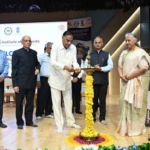
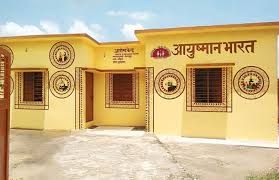
NEW DELHI — In a major expansion of its community-based healthcare network, the Delhi government on Friday operationalized 45 new Ayushman Arogya Mandirs, pushing the city’s total number of functional neighborhood health centers to 415. Chief Minister Rekha Gupta inaugurated the facilities during a launch event in Shakurpur, marking the seventh phase of a public health initiative designed to bring low-cost, comprehensive medical services directly to local neighborhoods.
The rollout moves the administration closer to its ultimate target of establishing more than 1,100 decentralized clinics across the capital. By positioning these centers within walking distance of residential areas, officials aim to fundamentally alter how residents interact with the healthcare system—shifting the focus from reactive, hospital-based crisis management to proactive, preventative care.
Expanding the Frontlines of Urban Health
According to official briefings from the Delhi government, this latest expansion introduces outpatient consultations, essential medicines, immunizations, and maternal and child health services to areas previously underserved by immediate primary care. Crucially, the centers are equipped to offer more than 80 types of diagnostic tests free of charge, removing a significant financial barrier that frequently delays medical intervention.
Primary healthcare serves as the vital first point of contact between an individual and the formal medical system. According to the World Health Organization (WHO), robust primary health systems can address up to 90% of a person’s lifetime health needs—spanning prevention, treatment, rehabilitation, and palliative care.
Delhi Primary Care Network Expansion:
[Phase 1-6: 370 Clinics] ---> [Phase 7: +45 New Clinics] ---> [Current Total: 415 Clinics]
By decentralizing these services, the Delhi network seeks to act as a critical gatekeeper. A localized clinic can routinely manage acute fevers, minor infections, blood pressure checks, and routine pediatric vaccinations, thereby preserving the resources of major tertiary hospitals for complex surgeries and trauma care.
A Broader National Shift
Delhi’s local expansion mirrors an ambitious, nationwide restructuring of India’s healthcare delivery model. The central government’s Ayushman Arogya Mandir initiative is explicitly designed to upgrade older, basic sub-centers and primary health centers into more comprehensive, modern health hubs.
Data released by the Ministry of Health and Family Welfare via the Press Information Bureau (PIB) noted that India had operationalized 178,154 Ayushman Arogya Mandirs across the country by mid-July 2025. In this context, Delhi’s latest 45-clinic expansion represents a localized acceleration of a broader national blueprint intended to mitigate out-of-pocket health expenditures—a leading cause of financial distress for low-income families in urban centers.
Managing the Burden of Chronic Disease
One of the most significant public health implications of the expanded network is its potential impact on non-communicable diseases (NCDs), such as Type 2 diabetes and hypertension. Unlike acute infections, NCDs require regular, lifelong monitoring, lifestyle counseling, and consistent medication adjustments.
+-----------------------------------+-----------------------------------+
| Center Service Offerings          | Public Health Impact              |
+-----------------------------------+-----------------------------------+
| 80+ Free Diagnostic Tests         | Early detection of NCDs           |
| Free Doctor Consultations         | Reduced out-of-pocket expenditure |
| Maternal & Child Health Services  | Improved immunization rates       |
| Routine Blood Pressure/Sugar Checks| Consistent chronic care management|
+-----------------------------------+-----------------------------------+
“When a clinic is down the street and costs nothing to visit, a patient is far more likely to get their blood pressure checked regularly,” notes an independent public health consultant not involved in the government rollout. “This allows clinicians to detect hypertension early, before it progresses into a catastrophic event like a stroke or chronic kidney disease. It fundamentally shifts the health system from treating illness to promoting wellness.”
Furthermore, according to frameworks established by the National Health Systems Resource Centre (NHSRC), these centers are designed to be universally accessible and deeply integrated with the community. This structural design enables healthcare workers to conduct targeted outreach, tracking local immunization coverage and supporting pregnant women through routine antenatal checkups.
Operational Hurdles: The Gap Between Infrastructure and Quality
While the addition of 45 clinics represents a clear infrastructural victory, independent health policy analysts emphasize that physical buildings are only the first step. The true metric of the network’s success will depend on sustained operational quality.
Public health systems globally face chronic vulnerabilities that can undermine expansion efforts:
-
Staffing Shortages: A clinic cannot function without qualified medical officers, nurses, and laboratory technicians.
-
Supply Chain Fractures: Inconsistent stocks of essential medicines or diagnostic reagents quickly erode community trust.
-
Referral Breakdown: If a primary care physician detects a serious cardiac anomaly but lacks a seamless, digital referral pathway to transfer the patient to a tertiary facility, the continuum of care fails.
The World Health Organization explicitly cautions that primary care is at its most effective only when it is part of a resilient, people-centered system where infrastructure, staffing, and digital records grow at an identical pace. To date, the local administration has not released comprehensive, independent outcome data linking earlier phases of the clinic rollout to measurable reductions in tertiary hospital overcrowding or population-level health improvements.
What This Means for the Public
For the everyday resident of Delhi, the immediate takeaway is highly practical. The expanded network provides a localized, no-cost avenue for managing routine health demands. Parents seeking pediatric immunizations, pregnant women requiring standard checkups, and individuals managing long-term chronic conditions can utilize these 415 operational centers to bypass the extensive travel times and long queues typical of major capital hospitals.
For the city’s health administrators, the next phase of the rollout will serve as a definitive test of execution. Balancing rapid scaling toward the 1,100-clinic milestone while strictly enforcing quality control across the existing 415 facilities will dictate whether this initiative achieves its goal of becoming a resilient model for urban primary healthcare.
References
-
Delhi Government Press Briefing: Direct coverage of the Ayushman Arogya Mandir inaugurations, reported via DD News, July 17, 2026.
Medical Disclaimer: This article is for informational purposes only and should not be considered medical advice. Always consult with qualified healthcare professionals before making any health-related decisions or changes to your treatment plan. The information presented here is based on current research and expert opinions, which may evolve as new evidence emerges.