 0
0
 0
0
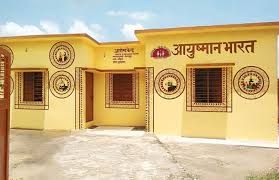
NEW DELHI — In a major push to decentralize primary healthcare and reduce the burden on major tertiary hospitals, the Delhi government announced the dedication of 45 new Ayushman Arogya Mandirs (AAMs) under the seventh phase of its health infrastructure rollout. This expansion scales up the city’s network of community-oriented public clinics, bringing preventive, diagnostic, and early-stage disease management directly into local neighborhoods.
The 45 new additions bring the total number of operational Ayushman Arogya Mandirs in the national capital to 415, moving closer to the government’s long-term roadmap of establishing 1,100 decentralized clinics across the city. Prior to this phase, the network comprised 370 successfully operating facilities, dividing responsibilities between 244 urban sub-health centers and 126 urban primary health centers.
Delhi Health Minister Dr. Pankaj Kumar Singh stated that the expansion represents a milestone in making quality healthcare “accessible, affordable, and equitable”. By acting as the definitive first point of contact for routine medical needs, these neighborhood centers aim to shift the public health paradigm from emergency interventions to proactive wellness.
The Shift to Localized, Comprehensive Services
Ayushman Arogya Mandirs form the backbone of India’s national strategy to reform primary health infrastructure. Under guidelines issued by the Union Ministry of Health and Family Welfare, these centers are designed to transition basic local clinics into comprehensive spaces offering 12 specialized packages of primary care.
[National Primary Care Vision] ──> [415 Active Centers in Delhi] ──> [Target: 1,100 Neighborhood Clinics]
Unlike traditional single-purpose immunization booths, the upgraded AAM model provides a diverse array of free clinical services:
-
Maternal and Child Health: Antenatal check-ups, post-natal care, and regular childhood immunization schedules.
-
Chronic Disease Management: Universal screening and routine care for non-communicable diseases (NCDs) like hypertension and diabetes.
-
General Outpatient Care: Fast-tracked treatments for acute illnesses, minor ailments, and common fevers.
-
Wellness and Diagnostics: Access to essential medicines, approximately 80 types of basic diagnostic lab tests, digital health records, and integrated wellness practices such as yoga.
For Delhi residents, the primary benefit is operational proximity. An elderly patient requiring routine blood pressure calibration or a mother seeking infant vaccines can access care within walking distance, completely bypassing day-long trips and heavy out-of-pocket costs associated with major hospital visits.
The Public Health Calculus
Public health experts globally advocate for strong primary care as the most economically viable and egalitarian path toward universal health coverage. The World Health Organization (WHO) highlights that comprehensive primary care can address up to 90% of a person’s lifetime health needs, emphasizing prevention and early-stage treatment over reactive, late-stage hospitalization.
In a dense metropolitan environment like Delhi, where population mobility and crowded conditions present persistent epidemiological challenges, catching illnesses early is critical. Managing chronic diseases locally prevents minor clinical anomalies from developing into acute, life-threatening emergencies that flood intensive care units.
Furthermore, the expansion in Delhi aligns directly with a massive national framework. Data from the Ministry of Health and Family Welfare shows that the number of operational Ayushman Arogya Mandirs across India grew from 1.78 lakh in mid-2025 to 1,82,944 by December of the same year. Delhi’s localized expansion represents an ongoing effort to bridge urban healthcare disparities within this overarching national network.
Implementation Obstacles and Systemic Realities
Despite the clear benefits of infrastructure expansion, public health analysts warn against equating physical facility counts with successful medical outcomes. Building structure and naming centers form only the initial stage of healthcare delivery. The ultimate success of the program relies on persistent operational resourcing.
“Expanding the physical footprint of clinics is an essential step, but the true measure of success lies in supply chain consistency and human resource retention,” says Dr. Amitav Banerjee, an independent public health analyst and epidemiologist not involved in the government rollout. “If a neighborhood clinic suffers from frequent stockouts of essential diabetes medication, or if a doctor is absent during posted hours, patients will naturally default back to overcrowding the tertiary hospital emergency rooms.”
The National Health Systems Resource Centre (NHSRC) has noted that maintaining comprehensive primary care requires synchronization across five critical inputs: regular infrastructure upkeep, continuously trained clinical personnel, uncompromised drug supplies, timely diagnostic reagents, and functional digital teleconsultation links. Gaps in any of these components could result in underutilized facilities that fail to reduce the load on apex medical institutions.
Actionable Takeaways for Residents
For Delhi’s population, the practical guidance is to utilize these local centers as a preventive healthcare tool. Rather than waiting for severe symptoms to appear, residents can actively use the facilities for routine check-ups. Catching elevated blood sugar levels or high blood pressure during a casual community screening can significantly alter long-term health trajectories through timely lifestyle adjustments and early prescriptions.
Reference Section
-
United News of India (UNI) / Press Trust of India (PTI): Delhi Government Phase VII Health Expansion Briefing, statements by Delhi Health Minister Dr. Pankaj Kumar Singh, issued July 16, 2026.
Medical Disclaimer: This article is for informational purposes only and should not be considered medical advice. Always consult with qualified healthcare professionals before making any health-related decisions or changes to your treatment plan. The information presented here is based on current research and expert opinions, which may evolve as new evidence emerges.