 0
0
 0
0
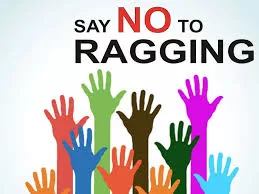
NEW DELHI — A stark new national report has exposed a persistent and severe student safety crisis within India’s elite higher education sectors, revealing that medical colleges account for a profoundly disproportionate share of severe ragging complaints and related fatalities. The comprehensive analysis, titled State of Ragging in India 2022-24 and published by the non-profit advocacy group Society Against Violence in Education (SAVE), highlights that despite representing a tiny fraction of total higher education enrollment, medical campuses remain structural hotspots for institutional harassment. Among the most frequently cited institutions nationwide are MKCG Medical College and Hospital in Odisha and Bundelkhand Medical College in Madhya Pradesh, signaling systemic cultural vulnerabilities that experts warn directly threaten both student mental health and the future of healthcare delivery.
The Scale of the Crisis: Analyzing the Data
The SAVE report evaluated a massive dataset comprising 3,156 complaints filed across 1,946 higher education institutions through the National Anti-Ragging Helpline over a three-year window. The statistical breakdown reveals a highly skewed distribution of abuse:
-
Disproportionate Incidence: Medical students make up just 1.1% of total higher education enrollment in India, yet medical colleges accounted for 38.6% of all recorded ragging complaints.
-
Severity of Abuse: Medical institutions were responsible for 35.4% of all serious complaints involving physical harm or severe psychological duress.
-
Fatal Outcomes: Most alarmingly, 45.1% of all ragging-related deaths documented during this period occurred within medical campuses. The report verified 51 ragging-related fatalities between 2022 and 2024, with 20 occurring in 2024 alone.
The individual institution metrics further emphasize the localized severity of the problem. MKCG Medical College and Hospital in Berhampur, Odisha, emerged as the top medical college hotspot nationwide, accumulating 25 formal complaints. Bundelkhand Medical College in Sagar, Madhya Pradesh, also ranked prominently within the top 10 most complained-about medical institutions, demonstrating that the crisis transcends regional boundaries and reflects a broader institutional pattern.
Why Medical Education Breeds Hierarchical Abuse
Public health experts and educational psychologists point out that the unique structural layout of medical education creates a perfect storm for ragging cultures to thrive. Medical training typically requires mandatory residential hostel living, subjects students to extreme academic pressures, and maintains a rigid, highly vertical senior-junior hierarchy.
“The environment in medical college hostels is often insular,” explains Dr. Anjali Malhotra, a Delhi-based adolescent psychiatrist and campus wellness consultant who was not involved in compiling the SAVE report. “When you couple intense academic burnout with an unchecked power dynamic where juniors are entirely dependent on seniors for logbook signatures, ward navigation, and survival tips, the boundary between mentorship and absolute subjugation easily blurs. It stops being campus etiquette and becomes a severe public health risk.”
At MKCG Medical College, the high ranking in the SAVE report follows a traceable history of student unrest. Throughout 2024, the campus was repeatedly flagged in regional reports for internal inquiries, hostel suspensions, and disciplinary actions stemming from senior-on-junior harassment. Similarly, the inclusion of Bundelkhand Medical College reinforces the understanding that this is a systemic, cultural issue built into the framework of certain public medical universities rather than an isolated issue of a few bad actors.
The Public Health Imperative: Mental Health and Patient Care
From a public health perspective, ragging is no longer viewed merely as a disciplinary infraction or a traditional rite of passage. Extended exposure to harassment, humiliation, and fear triggers profound psychological trauma. The downstream effects include severe clinical anxiety, acute isolation, depression, and, in tragic circumstances, self-harm or suicide.
Furthermore, medical educators stress that a toxic training environment directly damages the quality of future patient care.
“We cannot expect to cultivate empathetic, emotionally stable, and highly collaborative doctors if their formative professional years are defined by systemic humiliation and fear,” says Dr. Malhotra. “Medicine relies heavily on clear communication and seamless teamwork. A culture that silences junior doctors out of fear fundamentally compromises the psychological safety required to safely manage human lives.”
Reporting Mechanisms and Policy Frameworks
India maintains a comprehensive statutory framework to combat campus abuse. The University Grants Commission (UGC) manages anti-ragging infrastructure, providing immediate intervention channels for students under distress:
-
Toll-Free National Anti-Ragging Helpline: 1800-180-5522
-
Dedicated Monitoring Email: [email protected]
-
Central Portal: The government’s centralized anti-ragging portal offers secure online complaint filing and tracks institutional compliance.
Despite these resources, independent trackers emphasize that an enormous reporting gap remains. Because the SAVE report relies heavily on helpline data, it represents only a fraction of actual incidents. Many victims choose to stay silent due to intense fear of institutional retaliation, academic sabotage by seniors, or the social stigma associated with reporting.
Methodological Limitations and Context
While the findings of the State of Ragging in India 2022-24 report provide vital warning signs, journalists and analysts note certain limitations within the data. The report is an advocacy-led analysis constructed from voluntary helpline disclosures, not a court verdict or a comprehensive, standardized academic audit of every campus.
Consequently, a high complaint volume at a specific college like MKCG or Bundelkhand Medical College does not automatically prove a lack of administrative effort; conversely, it could indicate that the student body has higher awareness, trusts the reporting infrastructure, or feels empowered to come forward. Conversely, campuses with zero reported complaints are not guaranteed to be safe; they may simply have highly effective systems of suppression that prevent victims from seeking external help.
Nevertheless, public health consensus dictates that when an institution repeatedly surfaces at the top of national complaint data over a multi-year period, it serves as a reliable indicator of cultural risk that requires immediate external oversight, stronger hostel supervision, and transparent, visible administrative accountability.
What This Means for Students and Families
For health-conscious consumers, parents, and prospective students, these findings suggest a shift in how higher education choices should be evaluated. Academic reputation, infrastructure, and post-graduate match rates should be balanced against campus safety indicators.
When touring or researching colleges, families are encouraged to look into the active presence of the institution’s Anti-Ragging Committee, the ratio of hostel wardens to residents, average response times to student grievances, and the institution’s historical transparency regarding disciplinary actions. For current students facing harassment, utilizing the official UGC helpline channels remains the safest and most legally protected route to force administrative intervention.
Reference Section
- https://medicaldialogues.in/news/education/medical-colleges/mkcg-bundelkhand-medical-colleges-among-top-10-ragging-hotspots-report-175153
Medical Disclaimer: This article is for informational purposes only and should not be considered medical advice. Always consult with qualified healthcare professionals before making any health-related decisions or changes to your treatment plan. The information presented here is based on current research and expert opinions, which may evolve as new evidence emerges.