 0
0
 0
0
KINSHASA, Democratic Republic of the Congo — A fast-moving outbreak of Ebola virus disease in the eastern region of the Democratic Republic of the Congo (DRC) continues to intensify, with confirmed cases climbing to 1,118 and recorded deaths reaching 291. According to official government situation reports released by the DRC Ministry of Communications on June 24, 2026, the outbreak is rapidly expanding across borders, prompting international health agencies to scale up emergency operations. The World Health Organization (WHO) recently designated the crisis a Public Health Emergency of International Concern (PHEIC), citing a high risk of regional transmission as cases linked to the DRC epicentre emerge in neighboring Uganda.
The Trajectory of the Outbreak
The latest figures underscore a sharp upward trajectory in infections over a remarkably short window. Just one week prior, on June 17, 2026, the WHO reported 896 confirmed cases and 232 deaths. By June 23, the tally within the DRC had risen to 1,094 cases and 277 deaths, culminating in the June 24 milestone of 1,118 confirmed cases.
Based on the latest data, the current crude case fatality rate sits at approximately 26%. However, epidemiologists caution that this percentage represents a provisional snapshot. In a developing outbreak, data can be volatile; laboratory confirmations frequently lag behind the onset of clinical symptoms, and death counts are continuously updated as retrospective sample testing catches up with field reports.
Outbreak Acceleration Snapshot (June 2026)
===========================================
June 17:  896 Confirmed Cases  | 232 Deaths
June 23:  1,094 Confirmed Cases| 277 Deaths
June 24:  1,118 Confirmed Cases| 291 Deaths
The Challenge of the Bundibugyo Strain
Unlike the more common Zaire strain of the virus—which caused the catastrophic 2013–2016 West African epidemic and has been the target of highly effective, licensed vaccines like Ervebo—this current outbreak is driven by the Bundibugyo ebolavirus species.
This represents a critical clinical hurdle: there are currently no licensed vaccines or targeted antiviral therapeutics approved specifically for the Bundibugyo strain. While medical tools developed for the Zaire variant have fundamentally shifted how public health officials respond to some outbreaks, those countermeasures do not offer cross-protection against Bundibugyo. Consequently, response efforts must rely heavily on classic public health interventions: rigorous contact tracing, strict isolation, infection prevention and control (IPC) protocols, and aggressive supportive clinical care.
Expert Perspectives on Treatment and Mortality
Public health authorities emphasize that while a targeted cure does not yet exist, an Ebola diagnosis is far from a death sentence. Early intervention drastically alters patient outcomes.
“Early supportive treatment is lifesaving,” notes the World Health Organization in its clinical guidance. “Patients have a significantly higher chance of survival when they receive rapid intravenous fluids, electrolyte stabilization, oxygen therapy, and targeted symptom control.”
The historical context of the Bundibugyo strain offers a mixed picture for medical professionals. Anaïs Legand, a technical officer with the WHO’s Health Emergencies Programme, noted in recent briefings that historical data from previous Bundibugyo outbreaks showed mortality rates ranging from 30% to 50%. While the current outbreak’s apparent 26% fatality rate falls slightly below those historical averages, experts warn against complacency. Case fatality rates calculated mid-outbreak often shift as more data from remote or insecure areas becomes available.
To bridge the therapeutic gap, the WHO convened an expert panel to review candidate countermeasures. Specialists strongly advocated that experimental vaccines and therapies currently under development be deployed strictly within transparent, randomized clinical trials. This approach ensures that while patients receive access to potential cutting-edge therapies under emergency protocols, scientists can safely and ethically gather the data needed to license a definitive Bundibugyo treatment for the future.
A Complex Crisis: Conflict and Public Health
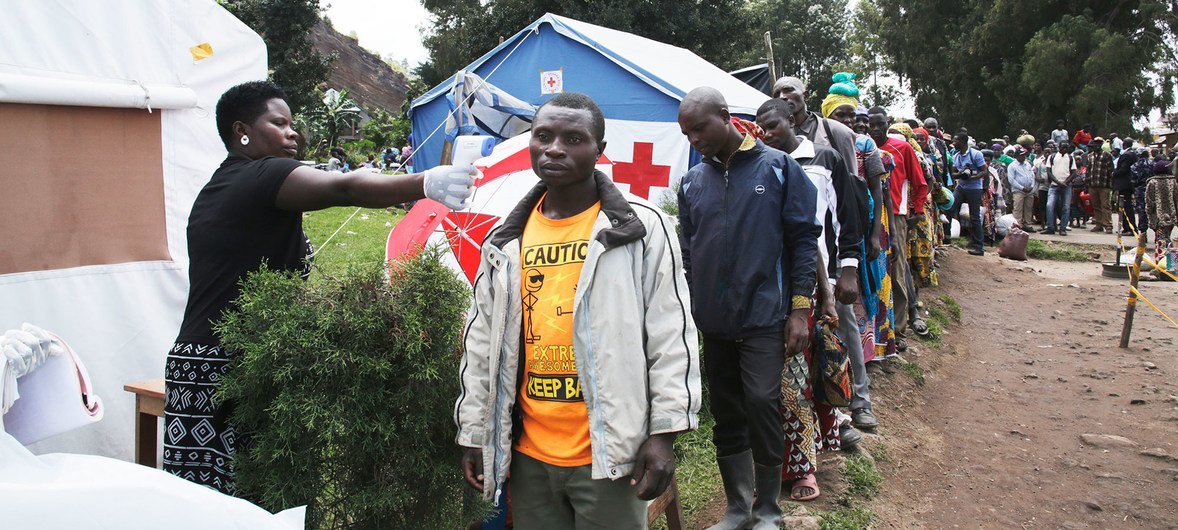
Containing an infectious disease outbreak requires fluid logistics, stable infrastructure, and community cooperation. In the eastern DRC, particularly in the hard-hit Ituri province where the outbreak was first detected in mid-May 2026, these prerequisites are severely strained.
The region is plagued by long-standing geopolitical instability, humanitarian crises, and active conflict. Frequent population displacements and thick geographical barriers complicate the work of medical teams. According to reports from the European Centre for Disease Prevention and Control (ECDC), as of June 23, at least 387 individuals were hospitalized in dedicated isolation units. Managing these facilities while simultaneously conducting contact tracing across highly mobile populations and conflict zones presents an extraordinary logistical burden.
Furthermore, public health workers face deep-seated community mistrust, which can lead to hidden cases and unsafe traditional burial practices—a well-documented driver of Ebola transmission.
Key Vectors of Ebola Transmission
-----------------------------------------------------------------
* Direct contact with blood, secretions, organs, or bodily fluids
  of an infected individual showing symptoms.
* Contact with surfaces or materials (e.g., bedding, clothing)
  contaminated with these fluids.
* Unprotected contact during traditional burial practices that
  involve washing or touching the deceased.
-----------------------------------------------------------------
Public Health Implications and Guidance
For the international community and health-conscious consumers, experts emphasize that the current situation demands global vigilance rather than panic. Ebola is not an airborne virus like influenza or SARS-CoV-2; it requires direct physical contact with the bodily fluids of a symptomatic or deceased individual to spread.
For readers globally, the primary directive is to rely on vetted, data-driven updates from established bodies like the WHO, the U.S. Centers for Disease Control and Prevention (CDC), and national health ministries rather than speculative narratives on social media.
For individuals residing in or traveling through the affected regions of the DRC and Uganda, public health authorities advise strict adherence to the following safety protocols:
-
Immediate Reporting: Seek immediate medical evaluation at a designated health facility if you or someone you know experiences a sudden onset of fever, extreme weakness, muscle pain, headache, vomiting, diarrhea, or unexplained bruising and bleeding.
-
Avoid Contact: Maintain strict distance from anyone showing symptoms of the illness and completely avoid touching or washing the bodies of individuals who have died under suspicious or unverified medical circumstances.
-
Clinical Rigor: Healthcare workers operating in these zones must practice unwavering infection prevention measures, utilizing full Personal Protective Equipment (PPE) consistently, as past outbreaks have shown that inconsistent clinic protocols can inadvertently turn medical facilities into amplification hubs for the virus.
As researchers continue to evaluate candidate vaccines in the field, the global health apparatus remains focused on resource deployment to the front lines in Kinshasa, Ituri, and Kampala to halt further cross-border acceleration.
References
-
Reuters. “Congo says number of confirmed Ebola cases rises to 1,118.” Published June 24, 2026. [Reflecting DRC Ministry of Communications Situation Report].
Medical Disclaimer: This article is for informational purposes only and should not be considered medical advice. Always consult with qualified healthcare professionals before making any health-related decisions or changes to your treatment plan. The information presented here is based on current research and expert opinions, which may evolve as new evidence emerges.