 0
0
 0
0
KINSHASA, DEMOCRATIC REPUBLIC OF THE CONGO — A major health crisis is escalating in Central Africa as the Democratic Republic of the Congo (DRC) faces a rapidly expanding outbreak of Ebola. According to official data released by the Congolese government on June 9, 2026, the number of confirmed cases has surged to nearly 600, resulting in at least 115 recorded deaths.
Driven by the rare Bundibugyo strain of the virus, the outbreak is centered in the conflict-ridden eastern provinces of Ituri, North Kivu, and South Kivu. The virus has also crossed international borders into neighboring Uganda, where health officials have documented 19 confirmed cases and three deaths.
In response to the rapid escalation, the World Health Organization (WHO) has declared the outbreak a Public Health Emergency of International Concern (PHEIC). This designation highlights the severity of what has become one of the largest Bundibugyo-linked epidemics ever recorded, unfolding within a region already severely strained by geopolitical instability, a humanitarian crisis, and a fragile healthcare infrastructure.
Key Outbreak Figures and Geographic Spread
As of early June 2026, epidemiological tracking indicates between 515 and 598 confirmed Ebola cases. The current case-fatality rate hovers between 15% and 18% among confirmed infections.
Current Outbreak Status (As of June 9, 2026)
+------------------------------------+------------------+------------------+
| Region                             | Confirmed Cases  | Recorded Deaths  |
+------------------------------------+------------------+------------------+
| Democratic Republic of the Congo   | ~515 - 598       | 115+             |
| Uganda                             | 19               | 3                |
+------------------------------------+------------------+------------------+
The geographic concentration is highly localized:
-
Ituri Province: The absolute epicenter of the crisis, accounting for approximately 94% of all confirmed cases. High-intensity transmission is clustered within the health zones of Bunia, Rwampara, Mongbwalu, and Nyankunde.
-
Uganda: All 19 confirmed cases have been epidemiologically linked to travel from the DRC or secondary transmission within healthcare settings. Public health authorities note there is currently no evidence of sustained community transmission within Uganda.
The outbreak has also taken a heavy toll on frontline defenders, with at least 16 confirmed infections among health and care workers. This underscores critical gaps in infection prevention and control (IPC) protocols within regional clinics. Contact tracing efforts are operating at an unprecedented scale; over 5,000 contacts are under surveillance in the DRC, alongside roughly 668 contacts being tracked in Uganda.
The Bundibugyo Strain: Why It Matters
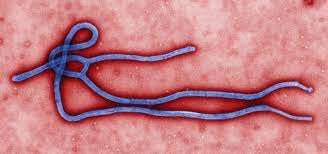
The current epidemic is caused by the Bundibugyo virus disease (BVD), a distinct species within the Orthoebolavirus genus. Unlike the more common and heavily researched Zaire Ebola strain, the Bundibugyo variant presents a unique set of challenges for global health authorities.
                  [ Wildlife Reservoir ]
               (e.g., Fruit Bats, Primates)
                           │
                           ▼ Spillovers
                 [ Index Human Case ]
                           │
             ┌─────────────┴─────────────┐
             ▼                           ▼
   [ Direct Contact ]           [ Fomite Transmission ]
(Bodily Fluids, Blood, Sweat)  (Contaminated Surfaces/Bedding)
The Treatment Gap: While the medical community successfully developed effective vaccines (such as Ervebo) and monoclonal antibody treatments (like Inmazeb and Ebanga) to combat the Zaire strain, there is currently no approved vaccine or specific antiviral therapy for the Bundibugyo strain.
Historically, Bundibugyo outbreaks have been rare but deadly. An outbreak in Uganda in 2007 carried a case-fatality rate of roughly 30%, while a subsequent 2012 outbreak in the DRC saw mortality reach 50%. The lower fatality rate in the current outbreak (15–18%) is a silver lining, but experts warn this figure may change as more data emerges.
Because medical countermeasures are limited, containment relies entirely on classic, resource-intensive public health interventions:
-
Rapid isolation of symptomatic individuals
-
Rigorous, exhaustive contact tracing
-
Safe and dignified burials
-
Strict adherence to infection control protocols in healthcare facilities
Conflict, Insecurity, and Delayed Detection
The primary accelerator of the current crisis is the volatile environment of eastern DRC. The affected provinces have endured decades of armed conflict, resulting in massive population displacement and severely under-resourced health systems. Security incidents have repeatedly halted response teams, delayed case investigations, and left entire communities inaccessible to health workers.
Epidemiological models suggest the virus was circulating silently for weeks before the formal declaration of the outbreak on May 15, 2026. The earliest suspected death has been retroactively traced to April 20.
Investigators believe a “super-spreading event”—likely a traditional funeral or an unmonitored clinic transmission—occurred during this window, causing cases to spike exponentially. This delay allowed the virus to establish a foothold, amplified by high population mobility and fluid cross-border trade routes.
International Response and Mobilization
To counter the regional threat, the WHO and the Africa Centres for Disease Control and Prevention (Africa CDC) have launched a joint continental preparedness and response plan. The organizations are seeking $518 million in international funding to bolster surveillance, testing, diagnostics, and community engagement.
       ┌────────────────────────────────────────────────────────┐
       │   WHO & Africa CDC Joint Response Strategy ($518M)     │
       └───────────────────────────┬────────────────────────────┘
         ┌─────────────────────────┼─────────────────────────┐
         ▼                         ▼                         ▼
[ Laboratory Scaling ]   [ Treatment Centers ]    [ Border Surveillance ]
Rapid diagnostic tech    Optimized supportive     Screening at high-flow
to clear case backlogs    care near major hotspots   cross-border checkpoints
Importantly, the WHO Emergency Committee has explicitly advised against international travel or trade restrictions targeting the DRC or Uganda. Experience from past outbreaks shows that blanket border closures often backfire, driving trade underground, hindering the movement of medical supplies, and harming local economies.
Global Risk and Implications for Travelers
Public health agencies emphasize that the risk of the virus spreading beyond the immediate region remains low.
“The international risk is highly contained,” notes the WHO assessment. The only recorded case outside the immediate outbreak zone involved a Congolese healthcare worker who traveled through Uganda to the United Arab Emirates (UAE) before returning to Uganda after falling ill. Rapid contact tracing and isolation protocols implemented by UAE and Ugandan authorities successfully prevented secondary transmission.
For the general public and international travelers, routine precautions remain standard:
-
Avoid direct contact with anyone exhibiting symptoms of severe illness (fever, vomiting, unexplained bleeding).
-
Avoid contact with the bodies of deceased individuals.
-
Practice strict hand hygiene.
Because there is no approved vaccine for the Bundibugyo strain, general Ebola vaccination is not recommended or available for travelers; existing stockpiles of Zaire-specific vaccines are being strictly reserved for frontline workers at direct risk.
Structural Uncertainties and the Path Forward
Several variables complicate the response efforts. Experts warn that the reported 15–18% mortality rate may be an underestimate. Many community deaths that occurred prior to the May 15 declaration are still undergoing retrospective validation. Furthermore, ongoing security risks mean “blind spots” remain where active transmission chains may be occurring completely undetected by health authorities.
Until clinical trials for Bundibugyo-specific therapeutics can be accelerated, patient survival depends entirely on optimized supportive care—aggressive fluid replacement, electrolyte balancing, and organ support.
For the global health community, this spike in a rare strain serves as a stark reminder that infectious disease surveillance cannot focus solely on familiar threats. Continued investment in broad-spectrum therapeutics and robust healthcare infrastructure in fragile regions remains the world’s best defense against catastrophic spillover events.
References
- https://www.reuters.com/business/healthcare-pharmaceuticals/congo-says-number-confirmed-ebola-cases-rises-nearly-600-2026-06-09/
Medical Disclaimer: This article is for informational purposes only and should not be considered medical advice. Always consult with qualified healthcare professionals before making any health-related decisions or changes to your treatment plan. The information presented here is based on current research and expert opinions, which may evolve as new evidence emerges.