 0
0
 0
0
Kolkata, India — June 10, 2026
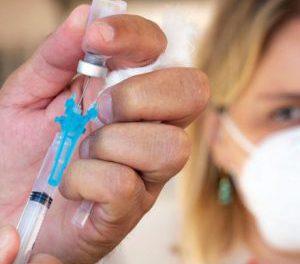
At the halfway point of one of the world’s most ambitious public health strategies, global health leaders have delivered both encouraging evidence and a stark warning: vaccines continue to save millions of lives, yet immunization coverage is slipping in too many countries, putting vulnerable children at risk of deadly vaccine-preventable diseases.
During the Seventy-ninth World Health Assembly (WHA79) held May 18-23, 2026, in Geneva, Member States and global health partners strongly reaffirmed their commitment to Immunization Agenda 2030 (IA2030). The assembly formally recognized immunization as one of the most powerful, cost-effective, and equitable health interventions available.
Breakthrough Evidence: Malaria Vaccine Averts One in Eight Child Deaths
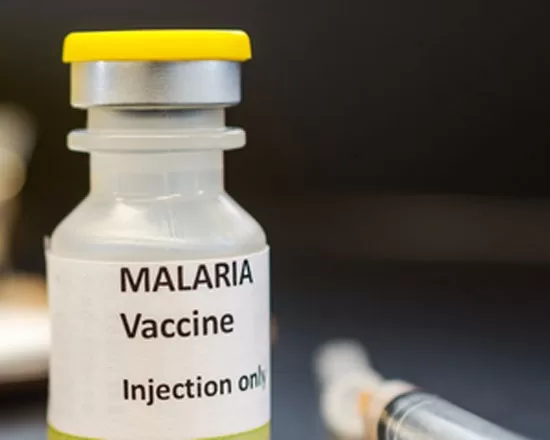
The most compelling new data discussed at the assembly comes from the real-world public health use of the RTS,S malaria vaccine in Ghana, Kenya, and Malawi—the first African nations to offer the vaccine systematically.
A rigorous evaluation published in The Lancet confirms that over a four-year period (2019-2023), an estimated one in eight child deaths were averted among eligible children who received the malaria vaccine. This translates to a 13.2% reduction in all-cause child mortality, a scale of impact that experts believe could fundamentally reshape Africa’s fight against the disease.
Surprisingly, this massive survival benefit occurred despite modest implementation metrics:
-
71% of children received the initial three doses.
-
40% received the required fourth booster dose.
The data successfully eased earlier concerns that near-perfect coverage was essential to see real-world effectiveness.
“This is very solid evidence of the potential for malaria vaccines to change the trajectory of child mortality in Africa,” noted Dr. Kate O’Brien, Director of the Department of Immunization, Vaccines and Biologicals at the World Health Organization (WHO) and co-author of the evaluation.
Today, 25 countries across the African continent are actively offering malaria vaccines, expanding the life-saving impact and creating additional healthcare “touchpoints” where families can access other essential pediatric care.
Fragile Progress: Coverage Slipping as Outbreaks Increase
Despite the historic malaria data, global health leaders maintain that progress remains precarious. In too many regions, routine childhood immunization coverage is actively slipping, sparking outbreaks of vaccine-preventable diseases in areas that had previously eliminated them.
The modern challenges facing public health infrastructure are multifaceted:
-
Rising Inequities: A growing concentration of “zero-dose children”—infants who do not receive a single vaccine dose through routine programs.
-
Profound Misinformation: Tailored digital misinformation campaigns striking communities and eroding localized institutional trust.
-
Systemic Shocks: Protracted civil conflict, escalating climate pressures, and deeply constrained domestic healthcare financing.
According to shared tracking data, nearly 20 million infants worldwide do not receive a full course of basic routine vaccines, with over 14 million classified as completely zero-dose. Public health officials emphasize that these numbers represent real communities facing immediate risks of measles, polio, and diphtheria outbreaks.
The Big Catch-Up: 18.3 Million Children Reached
In response to the immunity gaps widened during the early 2020s, global health bodies initiated The Big Catch-Up—a targeted, multi-year emergency initiative backed by UNICEF, Gavi, the Vaccine Alliance, and the WHO. The program concluded its core field implementation in March 2026, delivering substantial relief.
| Target Metric | Campaign Results Achieved |
| Total Doses Administered | Over 100 million vaccine doses distributed across 36 nations |
| Children Reached | Estimated 18.3 million children successfully immunized |
| Zero-Dose Recovery | 12.3 million previously completely unvaccinated children reached |
| Polio Specific Protection | 23 million targeted doses administered to high-risk zones |
| Measles Mitigation | ~15 million children received their first-ever measles shot |
Independent evaluation models indicate the campaign is fully on track to meet its final target of reaching 21 million chronically missed children once final delayed registry metrics are compiled later this year.
“Recovery alone is not enough,” Dr. O’Brien stated during her address. “We must go further to reach chronically missed populations, debunk misinformation that is striking communities, build up trust, and strengthen routine immunization programmes so they can withstand future shocks.”
New TB Vaccines: 2028 Efficacy Data On Track
While pediatric malaria vaccines occupy the current spotlight, the global health community is also accelerating efforts against tuberculosis (TB)—which remains one of the world’s leading infectious killers.
At the fourth meeting of the Tuberculosis Vaccine Accelerator Council, held on the sidelines of WHA79, leaders focused on accelerating the availability of novel TB vaccines engineered for adults and adolescents. While the historic BCG vaccine provides strong protection to infants against severe forms of TB, it offers highly limited protection for older populations who drive community transmission.
The Council outlined a multi-pronged development roadmap:
-
Elevating domestic financing as a strict national security priority.
-
Creating advanced market commitments to ensure equitable access across low-and-middle-income countries.
-
Integrating new candidate rollouts with existing community-level TB control interventions.
Large-scale clinical trial efficacy data for these adolescent and adult TB vaccine candidates remain firmly on track to be available by 2028. Economic models published by Gavi indicate that a highly effective adult TB vaccine could generate up to $400 billion in global economic benefits by 2050 through preserved productivity and averted healthcare costs.
Limitations, Uncertainties, and Counterarguments
Independent epidemiologists not involved with the WHO data point out that despite the celebrations, critical operational limitations remain:
-
The Logistical Gap: While the malaria vaccine reduces mortality with moderate uptake, maintaining the complex four-dose schedule in remote areas remains a logistical bottleneck. Without improving fourth-dose adherence (currently at 40%), long-term community immunity may wane.
-
Off-Track Targets: The mid-term review for the broader Immunization Agenda 2030 explicitly notes that the majority of its core targets remain off-track due to persistent infrastructure gaps and economic constraints in sub-Saharan Africa and Southeast Asia.
-
Financing Shortfalls: The transition from donor-funded campaigns like The Big Catch-Up to self-sustained national immunization programs faces extreme budget deficits in low-income nations.
What This Means for Communities and Healthcare Providers
For health-conscious consumers and healthcare professionals alike, these international developments translate into immediate, practical considerations:
-
Malaria Vaccine Access: Families residing in the 25 participating malaria-endemic nations should actively consult local clinics regarding eligibility criteria for children under two years of age.
-
Routine Continuity: The documented rise in global outbreaks means families must strictly adhere to local pediatric immunization schedules for basic vaccines like DTP (diphtheria, tetanus, pertussis), polio, and measles, regardless of perceived low local risk.
-
The Path Forward: The ultimate success of the IA2030 strategy—which aims to save 50 million lives by the turn of the decade—relies heavily on localized trust.
“Looking ahead, our task is clear,” Dr. O’Brien concluded. “We must move from words and commitments into local action. We must protect the gains that have been made. Backsliding is not an option.”
Medical Disclaimer
Medical Disclaimer: This article is for informational purposes only and should not be considered medical advice. Always consult with qualified healthcare professionals before making any health-related decisions or changes to your treatment plan. The information presented here is based on current research and expert opinions, which may evolve as new evidence emerges.
References
https://www.who.int/news/item/09-06-2026-message-by-the-director-of-the-department-of-immunization–vaccines-and-biologicals-at-who—may-2026