 0
0
 0
0
Unraveling a Medical Mystery
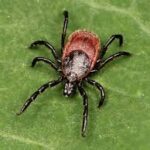
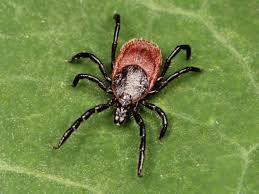
The confirmed case involves Michael Larkin, an avid outdoorsman from Brookhaven Town on Long Island, who fell ill after removing two lone star ticks from his leg while working in his yard. Within days, Larkin developed debilitating symptoms, including high fever, severe fatigue, body aches, night sweats, and a widespread rash.
When initial clinic tests for Lyme disease came back negative, doctors prescribed doxycycline—the standard oral antibiotic used to treat bacterial tickborne illnesses such as Lyme disease, ehrlichiosis, and Anaplasmosis. However, Larkin’s condition deteriorated rapidly. Intractable headaches and overwhelming exhaustion eventually required emergency hospitalization.
The definitive diagnosis remained elusive until researchers led by Stony Brook Medicine evaluated blood samples from a cohort of 107 patients treated for suspected tickborne infections between 2019 and 2024. Neutralization assays conducted in collaboration with the New York State Department of Health revealed that Larkin’s blood possessed neutralizing antibodies against Bourbon virus, with antibody levels increasing eightfold over a one-month period—the clinical benchmark confirming an acute infection.
| Feature | Lyme Disease | Bourbon Virus Disease |
| Pathogen Type | Bacterium (Borrelia burgdorferi) | Virus (Thogotovirus genus) |
| Primary Vector | Blacklegged tick (Ixodes scapularis) | Lone star tick (Amblyomma americanum) |
| Effective Treatment | Antibiotics (e.g., Doxycycline) | Supportive care only (No antiviral available) |
| Diagnostic Availability | Routine commercial blood tests | Specialized state/CDC lab testing only |
The Science: Environmental Tracking Meets Clinical Reality
First identified in 2014 in Bourbon County, Kansas, Bourbon virus is an RNA virus belonging to the Thogotovirus genus. Historically, human cases have been extraordinarily rare, with fewer than a dozen confirmed infections documented nationwide, primarily across the Midwest and Southern regions.
While this patient marks New York’s first confirmed human infection, scientific evidence of the virus’s local presence has been building for years. A landmark 2023 study published in Emerging Infectious Diseases documented active viral transmission within local vector populations. Surveillance teams tested 1,058 tick pools across Suffolk County, discovering Bourbon virus RNA in five separate pools of nymphal lone star ticks.
Furthermore, serological testing of local wildlife demonstrated widespread environmental exposure. Seropositivity rates among white-tailed deer reached 37.7% statewide and a striking 66.5% on Long Island.
“Seropositivity in wildlife does not mean human population infection rates are at that level,” explains Dr. Luis Marcos, primary study investigator and director of the Tick-Borne Diseases Clinic at Stony Brook Medicine. “Instead, it confirms that the virus is actively circulating within our local ecosystem and vector populations.”
“Because lone star tick populations have expanded dramatically in New York and the broader Northeast, and because symptoms mirror common illnesses, what we are seeing here may be the very tip of the iceberg.”
— Dr. Luis Marcos, Stony Brook Medicine
The Diagnostic Challenge: Broad Symptoms, No Commercial Test
One of the greatest hurdles in managing Bourbon virus is its diagnostic ambiguity. Patients typically present with non-specific flu-like manifestations:
-
High fever and chills
-
Deep fatigue and severe headaches
-
Nausea, vomiting, and abdominal distress
-
Maculopapular rash
-
Laboratory abnormalities, specifically leukopenia (low white blood cell count) and thrombocytopenia (low blood platelet count)
Because these clinical features overlap significantly with bacterial infections like ehrlichiosis or other viral pathogens like Heartland virus, clinicians frequently prescribe empiric antibiotics. When patients fail to improve, clinicians may assume treatment failure or antibiotic resistance rather than a viral etiology.
Compounding the problem is the total absence of a commercially available diagnostic assay. Routine hospital laboratories cannot run tests for Bourbon virus; confirmation requires specialized serological or molecular assays available only at state public health laboratories or the Centers for Disease Control and Prevention (CDC).
Public Health Implications and Actionable Prevention
Public health officials stress that while the confirmation of Bourbon virus in New York warrants increased clinical awareness, it should prompt vigilance rather than panic.
Currently, there are no approved vaccines to prevent Bourbon virus infection, nor are there specific antiviral medications to treat it. Clinical management relies entirely on supportive care, such as intravenous hydration, pain management, and fever reduction. Consequently, primary prevention remains the most effective defense.
       [ Outdoor Activity in Brush/Wooded Area ]
                          │
                          ▼
         [ Apply EPA-Registered Repellent ]
            (DEET, Picaridin, or Oil of Lemon Eucalyptus)
                          │
                          ▼
            [ Wear Treated Protective Clothing ]
               (Tuck pants into socks; Permethrin)
                          │
                          ▼
            [ Post-Activity Full-Body Tick Check ]
                          │
                          ▼
         [ Early Mechanical Removal with Tweezers ]
Health authorities recommend several evidence-based precautions for individuals spending time outdoors in tick-prone habitats:
-
Use EPA-Registered Insect Repellents: Apply products containing DEET, picaridin, IR3535, or oil of lemon eucalyptus (OLE) to exposed skin.
-
Treat Gear and Clothing: Wear clothing pre-treated with 0.5% permethrin, which actively kills ticks upon contact.
-
Perform Immediate Tick Checks: Inspect skin, hairline, underarms, and behind ears immediately after returning indoors. Showering within two hours of outdoor activity significantly reduces tick attachment rates.
-
Target Tick Habitats: Avoid walking through high grass, leaf litter, and dense brush; remain on cleared, centered trails when hiking.
Study Limitations and Future Directions
Epidemiologists caution against over-interpreting a single confirmed case. A individual case confirmation demonstrates that transmission can occur, but it does not establish high human incidence rates. Furthermore, retrospective antibody testing cannot rule out the possibility that prior, unmeasured health factors contributed to severe symptoms in individual patients.
Nonetheless, researchers emphasize that the combination of confirmed clinical infection, viral RNA detection in ticks, and elevated animal seroprevalence signals a clear need for expanded diagnostic infrastructure. Developing point-of-care commercial testing will be critical for enabling physicians to quickly distinguish viral tickborne threats from bacterial infections, avoiding ineffective treatments and improving supportive care delivery.
References
- https://people.com/first-case-of-bourbon-virus-confirmed-in-new-york-12032269
Medical Disclaimer: This article is for informational purposes only and should not be considered medical advice. Always consult with qualified healthcare professionals before making any health-related decisions or changes to your treatment plan. The information presented here is based on current research and expert opinions, which may evolve as new evidence emerges.