 0
0
 0
0
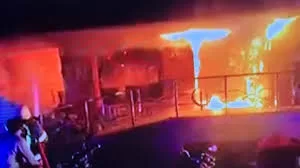
KOLKATA – A potentially catastrophic situation was averted Tuesday morning at Anandalok Hospital in Salt Lake, Kolkata, as hospital staff and emergency responders successfully evacuated dozens of patients following a blaze that broke out in the facility’s second-floor cath lab area. While the incident triggered widespread panic among families and staff, official reports confirm that no casualties or major injuries occurred, highlighting the life-saving impact of rapid emergency response and evacuation protocols.
The fire, which reportedly began around 10:00 a.m. on April 21, 2026, sent plumes of thick, acrid smoke through the corridors of the multi-specialty hospital. Preliminary investigations suggest the fire may have originated from a short circuit in an air-conditioning unit, though a formal forensic inquiry is still underway to determine the exact cause.
The Morning of the Incident: A Race Against Time
As smoke began to fill the second floor, hospital administrators immediately triggered emergency protocols. The evacuation was a complex operation; patients were moved via stretchers, wheelchairs, and ambulances. Particularly harrowing were reports of ongoing surgeries that had to be interrupted, requiring medical teams to stabilize patients mid-procedure before transferring them to safer zones or nearby medical facilities.
Fire engines arrived on the scene within minutes, battling the blaze while police and hospital staff conducted a floor-by-floor sweep of the building. By midday, authorities confirmed that the facility had been cleared. The success of the operation stands in stark contrast to previous healthcare fires in the region, where delayed responses have historically led to tragic outcomes.
Why Hospital Fires Present Unique Risks
Hospital fires are categorized by safety experts as “high-stakes” emergencies. Unlike residential or commercial fires, the occupants of a hospital are often “non-ambulatory”—meaning they cannot move without assistance due to illness, sedation, or physical disability.
Furthermore, hospitals are environments rich in “fire triages”:
-
Oxidizers: High concentrations of medical oxygen.
-
Fuel: Linens, chemicals, and plastic medical supplies.
-
Ignition Sources: Complex electrical grids and high-voltage medical machinery.
According to the World Health Organization (WHO), health facilities are critical infrastructure that must remain functional during emergencies. When a fire occurs, the primary threat is often not the flames themselves, but smoke inhalation and the interruption of life-sustaining equipment, such as ventilators or dialysis machines.
The Regulatory Framework: Lessons from NABH
The incident at Anandalok Hospital serves as a real-world test of the fire safety guidelines recently emphasized by the National Accreditation Board for Hospitals and Healthcare Providers (NABH). In a March 2024 advisory, the NABH urged Indian healthcare organizations to strengthen their fire-risk assessments and strictly adhere to “compartmentalization”—a design strategy where fire-rated walls and doors prevent the spread of smoke and heat from one wing to another.
“Fire safety is a paramount concern for all healthcare facilities,” stated Dr. Atul Mohan Kochhar, CEO of NABH, in a recent safety directive. “Adherence to strict standards, including routine audits and evacuation planning for patients with special needs, is not just a regulatory hurdle—it is a moral imperative to protect vulnerable lives.”
Experts suggest that the rapid evacuation at Anandalok likely indicates that staff had undergone recent mock drills, a practice the Ministry of Health and Family Welfare has been pushing to make mandatory across all private and public institutions.
Engineering Safety: A Layered Defense
Safety in a modern clinical setting relies on a “layered defense” strategy. According to the International Finance Corporation (IFC), effective hospital fire safety must include:
| Safety Layer | Component | Function |
| Detection | Smoke and Heat Detectors | Early warning to trigger evacuation. |
| Suppression | Automatic Sprinklers | Controlling the blaze at the source. |
| Containment | Fire-rated Doors/Walls | Preventing smoke from entering ICUs/Operating Rooms. |
| Egress | Unobstructed Fire Exits | Allowing rapid movement of stretchers and beds. |
In the Anandalok incident, the smoke was largely contained to the second floor initially, which provided the window of time needed to move patients from the upper floors.
What This Means for the Public
For the general public, the Salt Lake incident is a reminder that patient safety extends beyond clinical care to the physical environment of the hospital. Health-conscious consumers are increasingly encouraged to look for “visible safety markers” when choosing a healthcare provider:
-
Clear Signage: Are emergency exits clearly marked and lit?
-
Unobstructed Paths: Are hallways free of extra beds, boxes, or equipment?
-
Staff Awareness: Does the staff seem familiar with emergency protocols?
While fire incidents in hospitals are statistically rare, their impact is disproportionately high. Public health experts suggest that families should always note the nearest exit when visiting loved ones in a facility, as smoke can quickly disorient even those familiar with the layout.
Limitations and Pending Questions
While the initial outcome is positive—zero casualties—journalistic objectivity requires noting the gaps in current information. The “short circuit” theory, while common, is often a preliminary diagnosis that may overlook deeper issues such as overloaded electrical grids or poor maintenance of aging air-conditioning units.
Furthermore, while no immediate deaths were reported, the long-term impact on the evacuated patients—particularly those whose surgeries were interrupted or those suffering from the stress of the move—remains to be seen. A full assessment by the West Bengal Fire and Emergency Services is expected in the coming days to determine if the hospital’s internal suppression systems, such as sprinklers, functioned correctly.
Conclusion
The fire at Anandalok Hospital could have been a headline of tragedy. Instead, it serves as a case study in the efficacy of rapid evacuation and the vital importance of fire safety infrastructure. As Kolkata moves forward, this incident will likely fuel the ongoing dialogue regarding the strict enforcement of safety audits across all urban healthcare centers.
Reference Section
Primary News Sources:
-
The Indian Express. “Fire breaks out at Anandalok Hospital in Kolkata’s Salt Lake; 70 patients evacuated,” April 20, 2026.
Medical Disclaimer: This article is for informational purposes only and should not be considered medical advice. Always consult with qualified healthcare professionals before making any health-related decisions or changes to your treatment plan. The information presented here is based on current research and expert opinions, which may evolve as new evidence emerges.