 0
0
 0
0
New Delhi – April 22, 2026
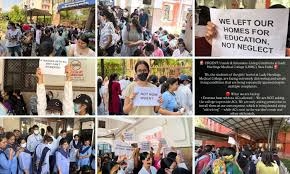
More than 150 medical students at the historic Lady Hardinge Medical College (LHMC) launched a high-stakes protest this week, transforming the gates of the Director’s office into a flashpoint for institutional reform. The demonstration, sparked by a series of alarming hygiene failures—ranging from insect-infested meals to a rash of stray dog bites—has ignited a national conversation about the living conditions of India’s future frontline healthcare providers.
What began as a localized grievance in the undergraduate girls’ hostel has escalated into a symbolic battle against systemic neglect within one of India’s most prestigious government medical institutions. With support from the Federation of All India Medical Association (FAIMA), students are now calling upon the Union Health Ministry and the National Medical Commission (NMC) to intervene, arguing that the current environment is not only unlivable but a direct threat to public health.
From “Healers” to “Patients”: The Health Risks of Neglect
The most visceral evidence of the crisis emerged on social media, where students shared high-definition images of insect larvae floating in communal mess curry. For a medical student, these images represent more than a “disgust factor”; they are a textbook catalog of potential enteric pathogens.
The Microbiological Threat
According to food safety protocols established by the Food Safety and Standards Authority of India (FSSAI), the presence of visible pests in prepared food indicates a catastrophic breakdown in the “farm-to-fork” hygiene chain.
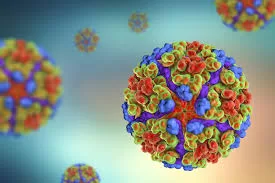
“When we see larvae or insects in mass-produced food, we aren’t just looking at the insect itself,” explains Dr. Vinay Gupta, a public health expert at AIIMS Delhi. “We are looking at a vector for Salmonella, E. coli, and Campylobacter. In a high-density living environment like a hostel, a single batch of contaminated food can trigger a localized outbreak of gastroenteritis or typhoid, potentially sidelining dozens of medical trainees simultaneously.”
Beyond the plate, students reported stagnant water in corridors and non-functional water coolers. Waterlogging in humid climates serves as a primary breeding ground for Aedes aegypti mosquitoes, the vectors for Dengue and Chikungunya—diseases that typically peak during Delhi’s transitional weather months.
A Climate of Physical Danger: Stray Dogs and Heat Stress
The protest also highlighted a deteriorating security situation. Since February, at least three documented instances of stray dog bites have occurred within the hostel premises. Screenshots from student communication groups detail a harrowing account of a student waking up to find a stray dog sitting beside her bed—a consequence of doors being left open to facilitate airflow in rooms lacking proper ventilation.
The Rabies Concern
While India accounts for approximately 36% of global rabies deaths, the risk within a medical campus underscores a profound irony. The Supreme Court of India has previously issued directives requiring educational institutions to maintain secure perimeters. The failure to do so at LHMC places students in a “high-risk” category for zoonotic injuries.
Furthermore, the lack of air conditioning has become a point of administrative contention. While students have offered to pay for AC installations and electricity at their own expense, the administration has cited “aging electrical wiring” as a barrier. Students pointed out the perceived double standard: the warden’s quarters and administrative offices remain fully climate-controlled. In Delhi’s April heat, where temperatures regularly exceed 40°C (104°F), heat exhaustion can significantly impair cognitive function and academic performance.
Institutional Inertia and Historical Context
Founded in 1916, Lady Hardinge Medical College was established to provide world-class medical education to women. However, the weight of a century-old infrastructure is showing. The current conflict is exacerbated by a financial deadlock; efforts to replace the current mess contractor have been stalled due to unpaid dues, which students stopped paying in protest of the sub-standard food quality.
LHMC Director, Dr. Sarita Beri, has met with student representatives and acknowledged the validity of the grievances. “The administration is looking into the matter and is in active discussions with the students to find a sustainable solution,” she stated following a follow-up meeting on April 21. Despite these assurances, the student body remains skeptical, citing a history of “short-term fixes” that fail to address the core infrastructure.
The Broader Impact on India’s Healthcare Workforce
The implications of the LHMC crisis extend far beyond the walls of the hostel. India is currently facing a projected deficit of over 600,000 doctors by 2025. The physical and mental well-being of medical students is a critical factor in workforce retention and quality of care.
“We are training these women to maintain sterile environments and uphold the highest standards of patient safety,” says a representative from FAIMA. “If the institution itself cannot provide clean water and safe food, it creates a ‘hidden curriculum’ where neglect of basic hygiene becomes normalized. That is a dangerous precedent for future clinical practice.”
Potential Counterarguments
Administrators often point to the limitations of government funding and the complexities of upgrading heritage buildings. Total rewiring of a 110-year-old campus is a massive capital expenditure that requires central government approval. However, public health advocates argue that basic sanitation and pest control are operational necessities, not “luxury upgrades,” and should be prioritized in any budget.
Looking Forward: A Call for Accountability
As of April 22, students have given the administration a three-day ultimatum to show “visible progress.” The path forward requires a multi-pronged approach:
-
Immediate Audit: An independent health and safety audit of the mess and water facilities.
-
Infrastructure Roadmap: A transparent timeline for electrical upgrades and animal control measures.
-
Regulatory Oversight: Increased monitoring by the NMC to ensure that hostel standards match the rigorous requirements of the medical curriculum.
For the students of LHMC, the fight is not just about a meal or a cool room; it is about the dignity of the profession they are about to enter.
Medical Disclaimer: This article is for informational purposes only and should not be considered medical advice. Always consult with qualified healthcare professionals before making any health-related decisions or changes to your treatment plan. The information presented here is based on current research and expert opinions, which may evolve as new evidence emerges.
References
-
Times of India. (2026, April 21). “‘Insects in food’: Protest at Lady Hardinge.”
-
New Indian Express. (2026, April 21). “Students at Delhi’s Lady Hardinge College protest over hostel conditions.”