 0
0
 0
0
May 13, 2026
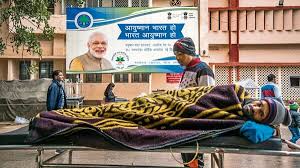
KOLKATA — In a landmark shift for India’s healthcare landscape, the Central Government has announced that Ayushman Bharat — Pradhan Mantri Jan Arogya Yojana (PM-JAY) will be officially implemented in West Bengal starting June 1, 2026. This decision follows the new state administration’s move to adopt the national flagship scheme after years of non-participation. The rollout aims to provide over 10 million families in the state with up to ₹5 lakh of annual cashless hospital cover, marking a pivotal transition in how millions of residents will access and afford secondary and tertiary healthcare.
A New Era for Health Financing in Bengal
The decision to integrate West Bengal into the national framework comes after a series of high-level discussions between the National Health Authority (NHA) and West Bengal health officials. For years, the state relied solely on its own “Swasthya Sathi” programme. However, the 2026 policy reversal signals a move toward a unified national health identity, allowing Bengal’s residents to access “portability” benefits—the ability to seek treatment at any empanelled hospital across India.
“The readiness of the state to adopt the national scheme ensures that the poorest and most vulnerable will no longer be restricted by geography when seeking life-saving surgeries,” stated a senior official during a recent briefing on implementation logistics.
Key Developments: What Was Announced
The rollout is not merely a change in name but an expansion of scope. Key features of the June 1 launch include:
-
Universal Coverage for Seniors: In a significant expansion, all citizens aged 70 and above will be automatically eligible for coverage, regardless of socio-economic status.
-
Cashless Transactions: The scheme promises a paperless, cashless experience at the point of care for secondary and tertiary inpatient services.
-
Integration with State Records: Officials are working to synchronize existing state health data with the NHA’s digital infrastructure to streamline e-KYC (Know Your Customer) and registration.
Understanding Coverage and Eligibility
PM-JAY is designed to act as a safety net for the bottom 40% of India’s population. Nationally, the scheme targets approximately 10.7 crore entitled families (roughly 50 crore beneficiaries).
Eligibility is primarily determined by the Socio-Economic Caste Census (SECC) data. In practice, this means families living in precarious housing, those without an adult male earner, or those engaged in informal labor are prioritized. In West Bengal, the transition will involve verifying these national lists against local records to ensure no eligible family is left behind.
“Catastrophic health expenditure pushes around 6 crore Indians into poverty every year,” notes official data from the National Health Authority. By providing a ₹5 lakh ceiling, the programme aims to mitigate the financial “shocks” caused by cancer care, cardiac surgeries, and intensive care stays.
Expert Perspectives: Opportunities and Hurdles
While the policy shift is a major milestone, public health experts urge a balanced view.
Dr. Arisudan Singh, a public health researcher (not involved in the rollout), emphasizes that insurance is only half the battle. “The reduction of out-of-pocket spending is the primary goal, and PM-JAY has shown success in other states regarding portability and utilization,” Singh says. “However, the real-world impact in West Bengal will depend on ‘supply-side readiness.’ If hospitals in rural districts are not empanelled or lack the necessary equipment, the insurance card remains just a piece of plastic.”
Clinicians and hospital administrators have also voiced a “pragmatic optimism.” The success of the June rollout hinges on:
-
Timely Empanelment: Ensuring both government and private hospitals sign on to the scheme.
-
Clear Referral Pathways: Making sure patients know how to move from primary clinics to specialty hospitals without administrative delays.
-
Fraud Control: Implementing robust monitoring to prevent “procedure unnecessary” claims that have occasionally plagued insurance-based models.
Implications for Public Health
For the average resident of West Bengal, this rollout could mean the difference between receiving a life-saving surgery and incurring lifelong debt. The scheme covers over 1,500 medical procedures, including oncology, neurosurgery, and cardiovascular treatments.
However, critics of insurance-led models argue that an over-reliance on hospital-based care might divert funds from primary healthcare and preventive services. The challenge for the West Bengal administration will be to maintain its robust network of primary health centers while scaling up this tertiary insurance model.
Practical Information for Readers: How to Prepare
If you are a resident of West Bengal, here is how you can prepare for the June 1 rollout:
-
Check Your Eligibility: Visit the official PM-JAY portal and use the “Am I Eligible” tool. You will need your mobile number or Ration Card number.
-
Visit a Common Service Centre (CSC): These centers can assist with e-KYC and help you obtain your Ayushman Card.
-
Documentation: Ensure you have an Aadhaar card or a valid government-issued ID that matches your family records.
-
Verify Hospitals: Before planning a surgery, confirm that the hospital is “empanelled” under PM-JAY to ensure the treatment is truly cashless.
A Balanced Outlook
The integration of West Bengal into Ayushman Bharat is a massive administrative undertaking. While it promises to expand financial protection for millions, its success will be measured by the ease with which a patient can walk into a hospital and receive care without opening their wallet. Peer-reviewed studies of the national scheme’s early years suggest that while utilization increases, ongoing monitoring is required to close gaps in rural access and ensure quality of care.
As West Bengal prepares for June 1, the focus remains on the “last mile”—ensuring that the most vulnerable citizens are aware of their rights and that the healthcare system is ready to receive them.
Medical Disclaimer: This article is for informational purposes only and should not be considered medical advice. Always consult with qualified healthcare professionals before making any health-related decisions or changes to your treatment plan. The information presented here is based on current research and expert opinions, which may evolve as new evidence emerges.
References
- https://www.thehansindia.com/news/national/welfare-of-my-sisters-and-brothers-of-bengal-is-supreme-pm-modi-hails-ayushman-bharat-rollout-1074752