 0
0
 0
0
MADRID — World Health Organization (WHO) Director-General Tedros Adhanom Ghebreyesus stated on May 12 that additional hantavirus cases could emerge in the coming weeks following Spain’s coordinated evacuation and repatriation of passengers from the outbreak-hit cruise ship MV Hondius. While the situation remains a priority for international health surveillance, the Director-General emphasized that the overall global public health risk remains low.
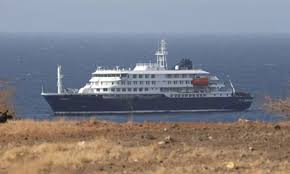
The evacuation, which concluded earlier this week in Tenerife, marks a critical pivot point in managing an unusual outbreak of the Andes virus (ANDV) strain. Health authorities are now shifting their focus from containment on the vessel to a rigorous 42-day global monitoring period for all repatriated individuals.
The Outbreak by the Numbers: Current Status
As of the latest WHO update and Spanish health briefings, authorities have reported 11 hantavirus-related cases linked to the MV Hondius incident. The toll includes three confirmed deaths, underscoring the severity of the pathogen. Of these cases:
-
Nine have been laboratory-confirmed as Andes virus infections.
-
Two are currently classified as probable cases awaiting final serological results.
The MV Hondius departed Argentina in early April for an expedition that included land excursions in regions where the Andes virus is known to circulate among wild rodent populations. Early field investigations suggest that the initial infections likely occurred during these shore visits rather than originating from a rodent source on the ship itself.
Spain’s Rapid Repatriation Effort
Spain took the lead in the humanitarian and health response, coordinating the vessel’s docking at Tenerife. Between May 10 and 11, authorities arranged 10 specialized flights to repatriate more than 120 passengers of various nationalities.
Spanish Prime Minister Pedro Sánchez characterized the operation as a “success,” citing scientific rigor and international transparency as the guiding principles. Following the evacuation, the vessel departed for Rotterdam with a skeleton crew of 28 remaining on board under strict health protocols.
What the Science Says: Understanding Andes Virus
Hantaviruses are a family of zoonotic viruses typically transmitted when humans breathe in aerosolized droppings, urine, or saliva from infected rodents. However, the Andes virus (ANDV) identified in this outbreak is unique.
“Andes virus is one of the few hantavirus strains associated with occasional person-to-person transmission,” explains the WHO briefing. This rare characteristic is what prompted the heightened international concern. Unlike the Sin Nombre hantavirus common in North America, ANDV has shown the ability to spread through close contact in past outbreaks in South America, though it does not typically sustain community-wide transmission.
The 42-Day Window
A primary challenge for health officials is the virus’s long incubation period. Symptoms—which often begin with fever and muscle aches before progressing to severe respiratory distress—can take several weeks to manifest. Consequently, the WHO has advised active health monitoring for all evacuated passengers for 42 days from their last date of exposure. For those evacuated in early May, this “red zone” for symptom onset extends through June 21.
Expert Perspectives: Vigilance Over Alarm
During a press conference in Madrid, Dr. Tedros struck a balance between caution and reassurance. “Given the long incubation period of the virus, it is possible that we may see more cases in the coming weeks,” he noted. However, he clarified that “there is currently no sign of a larger outbreak.”
Independent infectious disease specialists interviewed by international outlets agree with this measured approach. Epidemiologists emphasize that the tools for containment are well-established:
-
Contact Tracing: Identifying every individual who shared close quarters with symptomatic cases.
-
Early Isolation: Moving symptomatic individuals to specialized biocontainment units immediately.
-
Respiratory Precautions: Using high-level PPE in clinical settings to prevent healthcare-associated spread.
Public Health Implications and Clinical Guidance
For the general public, the message from health authorities is clear: there is no cause for general alarm. The risk to those who were not on the vessel or in direct contact with passengers is negligible.
For Health Systems
The international response is now a test of cross-border information sharing. With passengers returning to multiple countries, the WHO, the European Centre for Disease Prevention and Control (ECDC), and the European Commission have established a real-time data pipeline to track the health status of returnees.
For Travelers and Clinicians
Public health agencies are advising any travelers who recently visited hantavirus-endemic regions in South America to be vigilant.
-
Symptoms to Watch: Fever, severe muscle aches (myalgia), and sudden onset of cough or shortness of breath.
-
Clinical Action: If a patient presents with these symptoms and a history of travel to endemic areas or contact with the MV Hondius, clinicians should implement immediate respiratory isolation and contact local public health departments.
Challenges and Epidemiological Uncertainty
Despite the robust response, some uncertainties remain. Epidemiologists are working to determine whether each case was a “primary” infection (acquired from a rodent during a land excursion) or a “secondary” infection (acquired from another passenger on the ship).
“Many passengers had recent travel in hantavirus-endemic areas before boarding,” noted reports from the Indian Express. This complicates the “clock” of the infection, making it difficult to pinpoint exactly where transmission occurred. Furthermore, case counts have fluctuated in media reports as national agencies reconcile preliminary “suspect” cases with final laboratory confirmations.
The WHO maintains that while the Andes virus can spread between humans, it rarely leads to the type of sustained, exponential growth seen with respiratory viruses like influenza or SARS-CoV-2.
Practical Takeaways
The primary tool for ending this outbreak is time and observation. The rigorous 42-day monitoring period is designed to catch any “late-blooming” cases before they can potentially infect others. For the global community, the MV Hondius incident serves as a reminder of the complexities of zoonotic diseases in an interconnected world and the necessity of rapid, transparent international cooperation.
Medical Disclaimer: This article is for informational purposes only and should not be considered medical advice. Always consult with qualified healthcare professionals before making any health-related decisions or changes to your treatment plan. The information presented here is based on current research and expert opinions, which may evolve as new evidence emerges.
References
-
WHO Press Briefing: Statements by Director-General Tedros Adhanom Ghebreyesus, Madrid, May 12, 2026.