 0
0
 0
0
Wednesday, May 13, 2026
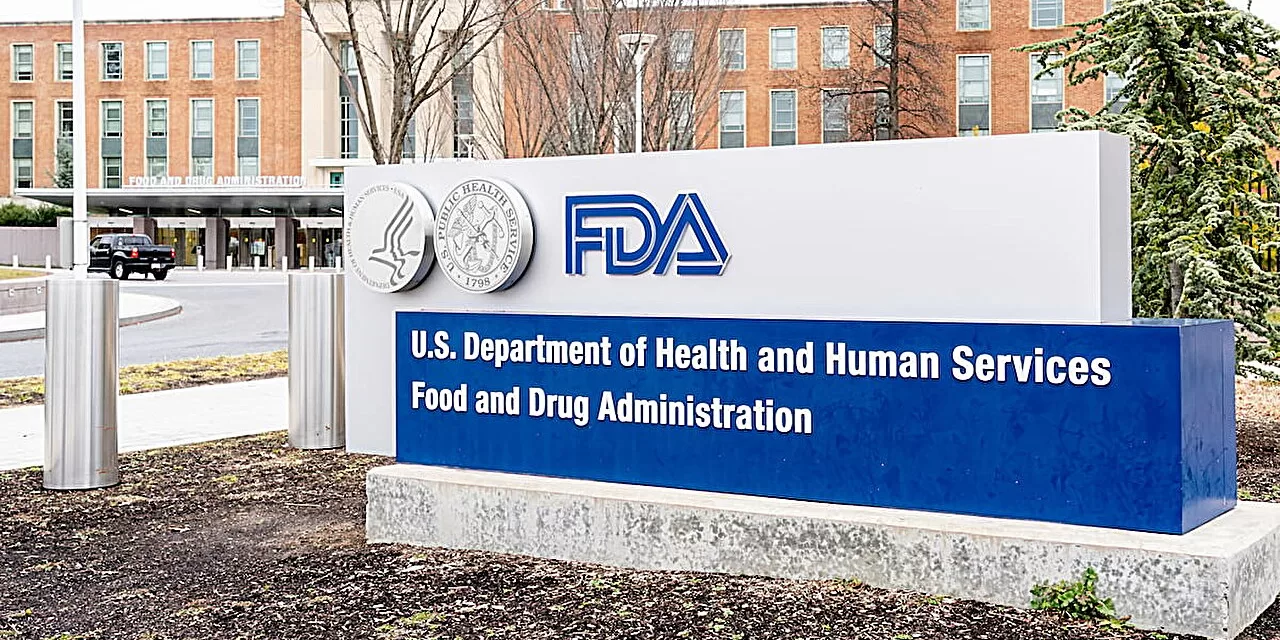
WASHINGTON — Dr. Marty Makary resigned as commissioner of the U.S. Food and Drug Administration (FDA) on Tuesday, ending a tumultuous 13-month tenure marked by frequent clashes with the White House and Department of Health and Human Services (HHS). The departure, first reported by Politico and Reuters, follows months of mounting pressure over agency direction and a sharp public-health rift regarding the administration’s push to authorize flavored electronic cigarettes—a move Makary reportedly resisted on ethical and scientific grounds.
President Trump confirmed the resignation during a briefing on Tuesday, describing Makary as a “friend” but noting he was “having some difficulty” in the role. Kyle Diamantas, the FDA’s deputy commissioner for food, has been named acting commissioner as the administration begins a search for a permanent successor.
A Turbulent Tenure and an Ethical Stand
Dr. Makary’s resignation marks the end of a high-stakes power struggle between the FDA’s scientific leadership and the political priorities of the executive branch. Appointed in March 2025, Makary was initially seen as a reformer who sought to streamline drug approvals and integrate artificial intelligence into the regulatory process. However, his final weeks were defined by a private but intense disagreement over flavored e-cigarettes.
According to internal reports, White House and HHS officials, including Secretary Robert F. Kennedy Jr., pushed for the authorization of fruit-flavored vape products to provide adult smokers with alternatives to combustible tobacco. Makary, however, reportedly blocked several authorizations, arguing that fruit and candy flavors disproportionately attract younger users and risk reversing a decade of progress in reducing adolescent nicotine addiction.
“The disagreement highlights the fundamental tension in tobacco regulation,” says Dr. Elena Rodriguez, a public health policy analyst at the University of Michigan who was not involved in the administration. “You have a push for adult harm-reduction on one side and the imperative to protect pediatric health on the other. When these priorities collide at the level of the Commissioner’s office, the fallout is often this kind of leadership vacuum.”
Key Findings and Public Health Implications
The resignation comes just days after the FDA authorized the first fruit-flavored e-cigarette products in years—a decision many observers believe was made after Makary was effectively sidelined.
For the general public, this shift in policy carries significant weight:
-
Adolescent Risk: Public health experts warn that flavor availability is the primary driver of youth initiation. According to 2024 data, roughly 10% of high school students reported current e-cigarette use, with more than a quarter of those users vaping daily.
-
Adult Harm Reduction: Conversely, some studies suggest that flavored products help adult smokers switch entirely away from traditional cigarettes. A recent study of 400 participants showed that flavored options were more effective than tobacco-flavored versions in promoting cessation among long-term smokers.
-
Regulatory Stability: The constant turnover at the FDA—which saw multiple directors at the Center for Drug Evaluation and Research (CDER) during Makary’s short term—has created “regulatory unpredictability,” according to industry stakeholders.
Expert Perspectives: A Divided Field
The medical community remains split on the best path forward. While some appreciate Makary’s stance against flavors, others criticized his management style and his previous challenges to established “scientific groupthink” during the pandemic.
“The FDA must be guided by data, not political winds,” says Dr. Lawrence Chen, a pediatric pulmonologist. “If we open the floodgates to flavored vapes without stringent age-verification and enforcement, we are essentially subsidizing the next generation of nicotine dependence.”
In contrast, tobacco harm-reduction advocates argue that the FDA has been too slow to approve safer alternatives. “The delay in authorizing these products has allowed an illicit, unregulated market from overseas to dominate the shelves,” says Greg Conley, a policy analyst who follows nicotine regulation. “By resisting authorized, domestic flavored products, the agency may have inadvertently created a more dangerous environment for consumers.”
Context: The Long Road of Vape Regulation
The debate over flavors is not new. Youth vaping surged in the late 2010s, leading to a 2020 federal ban on most flavored pod-based systems. However, the market adapted with disposable vapes, many of which are flavored and currently sold illegally or in a “gray market” status.
Makary’s tenure was further complicated by mass layoffs within HHS and the departure of other high-profile officials, such as Dr. Vinay Prasad, who served briefly as head of the vaccine evaluation office. This internal friction, coupled with pressure from anti-abortion groups over the abortion pill mifepristone, created a “climate of dysfunction,” according to sources cited by PharmTech.
What This Means for You
For Clinicians: The leadership change does not immediately alter clinical guidelines. Doctors should continue to advise patients that while e-cigarettes are less harmful than combustible tobacco, they are not risk-free. Clinicians should monitor patients for “dual-use” (vaping and smoking simultaneously), which does not provide the same health benefits as switching completely.
For Consumers and Parents:
The authorization of flavored products may soon lead to a wider variety of legal vapes in retail stores. Parents should remain vigilant, as increased availability often correlates with increased social access for minors. For adults using vapes to quit smoking, the new approvals may offer more options, but the long-term health impacts of inhaling flavored aerosols are still being studied.
Looking Ahead
The immediate question is whether the administration will nominate a successor who aligns more closely with the White House’s “America First” regulatory approach or a traditional scientist to “right the ship.” With Kyle Diamantas serving in an acting capacity, the FDA is expected to continue its recent trend of more flexible drug reviews and a more permissive stance on tobacco alternatives.
Medical Disclaimer: This article is for informational purposes only and should not be considered medical advice. Always consult with qualified healthcare professionals before making any health-related decisions or changes to your treatment plan. The information presented here is based on current research and expert opinions, which may evolve as new evidence emerges.
References
-
Reuters: “FDA Commissioner Makary is Resigning, Politico Reports,” (May 12, 2026).