 0
0
 0
0
NEW DELHI — India has achieved historic milestones in women’s health, maternal care, and digital inclusion, according to newly released data from the sixth National Family Health Survey (NFHS-6). The comprehensive government survey, released by the Union Health Ministry and analyzed by public health experts this June, reveals a near-doubling of internet usage among women, safer childbirth practices, and major strides in childhood immunization. However, the report also delivers a stark warning: a sharp escalation in adult obesity and stubbornly slow progress in child wasting and underweight metrics threaten to trap the nation in a complex “dual burden” of malnutrition.
A Giant Leap for Maternal Health and Empowerment
The NFHS-6, conducted across 6.79 lakh households in 715 districts between 2023 and 2024, serves as the definitive benchmark for India’s socioeconomic and medical progress. The headline findings demonstrate that decades of targeted public health interventions are paying off substantially in maternal healthcare.
The proportion of institutional deliveries—births occurring in protective medical facilities rather than at home—has risen to an unprecedented 90.6%, up from 88.6% in the previous survey cycle (NFHS-5). Medical experts place heavy emphasis on this metric, as professional supervision during childbirth is the single most effective intervention to prevent maternal and neonatal mortality.
Maternal Healthcare Indicators: NFHS-5 vs. NFHS-6
┌─────────────────────────────────┬───────────┬───────────┐
│ Indicator                       │  NFHS-5   │  NFHS-6   │
├─────────────────────────────────┼───────────┼───────────┤
│ Institutional Deliveries        │   88.6%   │   90.6%   │
│ 1st Trimester Antenatal Care    │   70.0%   │   76.2%   │
│ Comprehensive ANC (4+ Visits)   │   58.5%   │   65.2%   │
│ Contraceptive Prevalence        │   66.7%   │   69.1%   │
└─────────────────────────────────┴───────────┴───────────┘
Concurrently, the data reflects an optimization of family planning and early pregnancy management. Early registration for antenatal care (ANC) during the critical first trimester climbed to 76.2%, while women securing the clinically recommended minimum of four antenatal checkups reached 65.2%. Driven by improved reproductive healthcare access, India’s Total Fertility Rate (TFR) has stabilized firmly at 2.0, slightly below the structural replacement level of 2.1.
The Digital and Financial Dividend
Perhaps the most transformative structural shift highlighted in the report is the rapid closing of the gender digital divide. The percentage of women who have ever utilized the internet has nearly doubled, skyrocketing from 33.3% to 64.3%.
Women's Autonomy and Connectivity
                      ┌───────────────────────┐ 64.3%
Internet Usage        │████████████▍          │ (Nearly doubled)
                      └───────────────────────┘
                      ┌───────────────────────────┐ 89.0%
Bank Account Ownership│███████████████████▋       │ (Significant baseline)
                      └───────────────────────────┘
                      ┌────────────────────────┐ 63.6%
Mobile Phone Ownership│████████████▍           │ (Directly owned)
                      └────────────────────────┘
This digital surge is tightly interlocked with gains in financial independence. Approximately 89.0% of Indian women now manage an independent bank or savings account, and 63.6% personally own a mobile phone.
“Digital literacy is no longer just a social luxury; it is a critical determinant of modern health outcomes,” says Dr. Sunita Malhotra, a public health policy analyst not involved in the study. “When a woman owns a smartphone and holds a bank account, she gains direct access to digital therapeutics, telemedicine, automated immunization reminders, and direct benefit transfer (DBT) healthcare vouchers. It fundamentally shifts the power dynamics of household health decisions.”
Mixed Fortunes in Pediatric Care
For India’s youngest demographic, the NFHS-6 outlines an extraordinary success story in preventable disease eradication, contrasted against persistent systemic nutritional challenges.
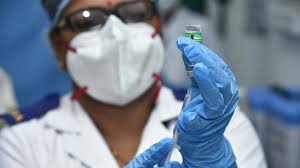
Full immunization coverage among children aged 12–23 months advanced to 87.1%. Crucially, protections against severe diarrhea expanded exponentially: rotavirus vaccine coverage more than doubled, jumping from 36.4% to 85.4%.
On the nutritional front, chronic malnutrition showed visible signs of retreat. Childhood stunting (low height-for-age, indicating long-term nutritional deprivation) plummeted from 35.5% to 29.3%. Severe wasting (low weight-for-height, indicating acute starvation or illness) also contracted from 7.7% to 5.2%.
Despite these victories, the survey exposed a structural bottleneck: the prevalence of underweight children stalled, shifting a mere fraction from 32.1% to 31.8%.
The Public Health Consensus: Pediatricians point out that a child’s weight status cannot be remedied by food security alone. It requires a synchronized, multi-sectoral approach combining aggressive maternal nutritional support, clean sanitation to halt recurring intestinal infections, and optimized early childhood care practices.
The Metabolic Warning: India’s Dual Burden
The most alarming revelation within the NFHS-6 data is the steep trajectory of adult weight gain. The percentage of Indian women classified as overweight or obese ($\text{BMI} \ge 25 \text{ kg/m}^2$) has more than doubled over the last two decades, escalating from 12.6% in 2005-06 to 30.7% in 2023-24.
Two-Decade Trend in Female Overweight & Obesity Prevalence
   40% ┐
       │                                     30.7%
   30% │                                    ┌─────┐
       │                                    │     │
   20% │                                    │     │
       │                      12.6%         │     │
   10% │                     ┌─────┐        │     │
       │                     │     │        │     │
    0% ┴─────────────────────┴─────┴────────┴─────┴──
                             NFHS-3         NFHS-6
                           (2005-06)       (2023-24)
This trend signals that India is firmly entrenched in a “dual burden of malnutrition”—a treacherous public health paradox where undernutrition and overnutrition coexist within the same communities, and occasionally, the same households. While millions of children remain underweight, nearly a third of the adult female population is entering a metabolic risk zone characterized by skyrocketing rates of type 2 diabetes, cardiovascular disease, and hypertension.
The Union Health Ministry has signaled that this metabolic shift requires an immediate pivot from purely infectious disease management toward robust preventive healthcare, public lifestyle interventions, and nationwide balanced nutrition education.
Methodological Nuances and Regional Variations
While the NFHS-6 data is highly regarded for its rigorous sampling across hundreds of thousands of households, epidemiological experts urge caution against over-interpreting national averages. Large-scale surveys naturally rely on self-reported metrics for certain behavioral data, which can introduce minor reporting biases.
Furthermore, aggregate national figures frequently obscure vast regional disparities. A secondary economic analysis by SBI Research noted that states allocating a higher proportion of their Gross State Domestic Product (GSDP) to healthcare delivery achieved vastly superior reductions in childhood stunting and underweight metrics compared to underfunded states. This highlights that localized political willpower and regional health infrastructure remain the primary drivers of real-world outcomes.
Translating Data into Daily Action
For the average household, this landmark data provides a practical roadmap for protective family health:
-
Embrace Available Public Infrastructures: Families should actively leverage the expanding primary care network, ensuring comprehensive antenatal tracking for expectant mothers and strict adherence to pediatric vaccination schedules.
-
Pivot to Metabolic Defense: With obesity affecting nearly one in three women, household diets must consciously shift away from ultra-processed, calorie-dense foods toward nutrient-dense, balanced meals.
-
Screen Early and Often: Because conditions like hypertension and high blood sugar are notoriously asymptomatic in their early stages, routine preventive screenings should become a standard practice for adults nationwide.
Ultimately, India’s public health trajectory is entering a highly sophisticated phase. The baseline battle against infectious diseases and unsafe birthing conditions is progressively being won; the next frontier will require a collective, disciplined focus on nutritional quality, lifestyle management, and equitable healthcare distribution.
Medical Disclaimer
This article is for informational purposes only and should not be considered medical advice. Always consult with qualified healthcare professionals before making any health-related decisions or changes to your treatment plan. The information presented here is based on current research and expert opinions, which may evolve as new evidence emerges.
References
-
NDTV Health News Portal. Women’s Health And Digital Inclusion See Sharp Improvement In India: Report. Published June 16, 2026.