 0
0
 0
0
May 12, 2026
SAN FRANCISCO — In a milestone for infectious disease research, a preliminary clinical investigation has demonstrated that a one-time, experimental cell therapy may allow individuals living with HIV to maintain viral suppression even after pausing traditional medication. The study, reported on May 11, 2026, suggests that engineered immune cells—known as CAR-T cells—can successfully identify and neutralize HIV-infected cells, potentially offering a “functional cure” that removes the need for daily antiretroviral therapy (ART).
While current treatments allow people with HIV to live long, healthy lives, they require strict daily adherence to keep the virus at undetectable levels. This new approach seeks to move the burden of care from a lifelong pill regimen to a single, durable infusion that “trains” the body to police the virus on its own.
The Science: Turning the Hunted into the Hunter
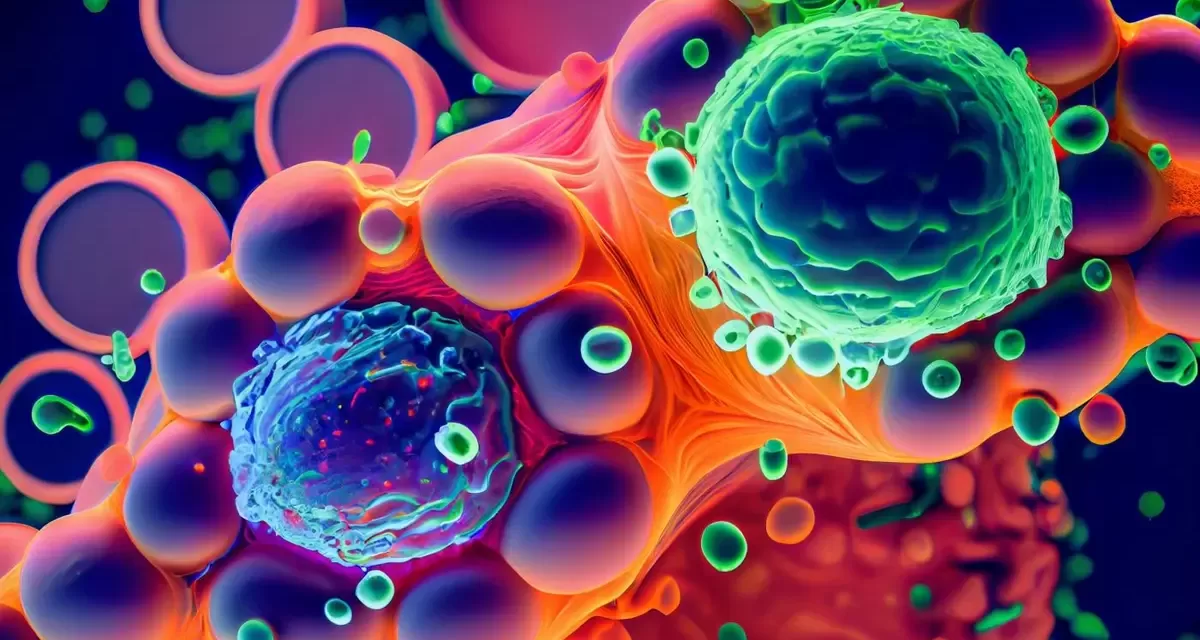
The experimental therapy utilizes Chimeric Antigen Receptor (CAR) T-cell technology, a platform that has already seen success in treating certain blood cancers. In this application, a patient’s own T-cells—the very cells HIV typically targets and destroys—are harvested and genetically “reprogrammed” in a laboratory.
These engineered cells are equipped with specialized receptors designed to recognize the HIV envelope protein. Once infused back into the patient, these “hunter” cells circulate through the body to find and eliminate cells harboring the virus, including those in the “latent reservoir”—the hidden pockets of virus that traditional ART cannot reach.
Key Findings from the 2026 Investigation
The small-scale Phase I/IIa trial focused on safety and proof-of-concept. According to early data, several participants who received the infusion were able to undergo a “monitored treatment interruption,” meaning they stopped taking their daily ART under strict medical supervision.
-
Viral Control: A significant portion of the cohort maintained low or undetectable viral loads for several months without medication.
-
Durability: The engineered CAR-T cells remained detectable and active in the blood and lymphoid tissues, suggesting the potential for long-term surveillance.
-
Reservoir Reduction: Preliminary biopsies indicated a measurable decrease in the “latent reservoir,” the primary obstacle to a permanent HIV cure.
Expert Perspectives: A “Compelling Signal”
“While we must remain cautious about translating small-scale findings into widespread clinical practice, the results offer a compelling signal,” says Dr. Elena Rossi, a senior gene therapy researcher at the Institute for Viral Innovation (who was not involved in the study). “The shift from daily pill-based management to a single-infusion strategy would fundamentally change the quality of life for millions.”
However, Dr. Rossi emphasized that the journey is far from over. “We still need to determine the long-term safety and the durability of these engineered T-cells in larger, more diverse patient populations. HIV is a master of mutation, and we must ensure the virus doesn’t eventually ‘escape’ the CAR-T surveillance.”
Why This Matters for Public Health
For the approximately 39 million people globally living with HIV, the implications of a one-time therapy are profound:
-
Removing Adherence Barriers: Daily ART can be difficult to maintain due to “pill fatigue,” mental health challenges, or inconsistent access to healthcare.
-
Reducing Stigma: A functional cure could alleviate the psychological weight of a chronic, daily reminder of the condition.
-
Economic Impact: While CAR-T therapy is currently expensive to produce, a one-time treatment could eventually be more cost-effective than 40 to 50 years of continuous pharmaceutical procurement.
Challenges and the Road Ahead
Despite the excitement, the medical community remains realistic about the hurdles. Because CAR-T therapy involves intensive genetic engineering, it is currently a resource-heavy process.
| Challenge | Description |
| Scalability | Creating personalized “living drugs” for millions is logistically complex and costly. |
| Safety | Potential side effects like Cytokine Release Syndrome (CRS)—an overactive immune response—require careful monitoring. |
| Viral Escape | HIV can mutate rapidly; researchers are now testing “duo-CAR” cells that target multiple parts of the virus at once to prevent resistance. |
What Should Patients Do Now?
Health authorities emphasize that this therapy is still investigational. It is not yet available for general use, and the current “gold standard” remains daily antiretroviral therapy.
“Patients should not attempt to stop or alter their current ART medication based on these news reports,” warns the National Institutes of Health (NIH). Maintaining an undetectable viral load through standard treatment remains the only proven way to protect individual health and prevent transmission (U=U).
The next phase of research will involve larger patient cohorts and longer follow-up periods to ensure that this “breakthrough potential” can be translated into a safe, accessible reality for the global community.
Medical Disclaimer: This article is for informational purposes only and should not be considered medical advice. Always consult with qualified healthcare professionals before making any health-related decisions or changes to your treatment plan. The information presented here is based on current research and expert opinions, which may evolve as new evidence emerges.
References
-
Primary Source: Reuters (2026, May 11). “Small study shows one-time cell therapy can control HIV infection.”