 0
0
 0
0
MUMBAI — A wave of intense condemnation has swept through the Indian medical community following the viral spread of social media clips featuring a final-year MBBS student making highly insensitive jokes about male cadavers during a stand-up comedy performance. The incident involving Sejal Pawar, a student at Mumbai’s prestigious King Edward Memorial (KEM) Hospital and Seth Gordhandas Sunderdas Medical College, has rapidly escalated beyond academic misconduct. Over the past 48 hours, it has triggered a formal institutional probe, widespread condemnation from national medical associations, and serious criminal charges, prompting a critical re-examination of medical ethics, digital conduct, and the sacred trust underpinning voluntary body donation.
The controversy stems from a stand-up comedy set performed approximately three months ago in Gurugram, hosted by comedian Pranit More. In the recently surfaced video, Pawar made humorous comparisons involving the genitalia of deceased male subjects used during medical examinations. The remarks, widely criticized as a severe violation of the dignity accorded to deceased body donors, provoked immediate outrage online from physicians, medical students, and healthcare advocates across India.
In response, the Maharashtra Cyber Police have filed a First Information Report (FIR) against Pawar, More, web developer Himanshu Jangra, and the event organizers for distributing “obscene and objectionable” material online. While Pawar has since issued a public apology, institutional and legal proceedings are moving forward rapidly.
The Ethical Foundation: “Our First Teacher”
For generations of physicians, human dissection has served as the rite of passage into the medical profession. In India, this practice was formally structured in 2019 when the National Medical Commission (NMC) overhauled the undergraduate medical curriculum. The revised Competence-Based Medical Education (CBME) framework explicitly positions the cadaver not as an inanimate teaching aid, but as a student’s “first patient” and “first teacher.”
Under these guidelines, first-year medical and dental students must take a solemn Cadaveric Oath before entering the anatomy laboratory. This pledge mandates that students treat human remains with absolute dignity, empathy, and bioethical reverence. The practice is integrated into a mandatory curriculum module known as AETCOM (Attitude, Ethics, and Communication), which was designed to instill emotional intelligence and professionalism early in a doctor’s training.
                  [ NMC / AETCOM ETHICAL FRAMEWORK ]
                                  │
         ┌────────────────────────┴────────────────────────┐
         ▼                                                 ▼
[ The Cadaveric Oath ]                            [ Professionalism ]
Mandatory first-year pledge                       Extends from anatomy labs
honoring donors as "first teachers."               to public & digital spaces.
Medical educators stress that these principles are meant to govern a physician’s behavior permanently, both inside and outside the laboratory.
“Such remarks are completely unacceptable and intolerable,” said Dr. Harish M. Pathak, Dean of KEM Hospital. “We are highly sensitive about respecting the dead, especially when someone donates their body for medical education with a lot of emotions.”
The administration at KEM Hospital has formed a two-member committee to investigate the matter, with a formal report expected within days. Concurrently, the All India Medical Students’ Association (AIMSA) issued a statement strongly rebuking the “insensitive, irresponsible, and disrespectful portrayal” of body donors for public entertainment.
Sacrificing for Science: The Fragile Ecosystem of Body Donation
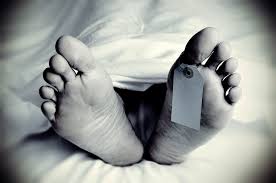
The controversy hits at a particularly vulnerable aspect of public health infrastructure: voluntary body donation. Anatomists point out that medical education relies heavily on the altruism of families who surrender the remains of their loved ones during a time of intense personal grief.
According to anatomy specialists, body donations have risen steadily over the last decade due to public awareness campaigns. However, this ecosystem remains fragile and depends entirely on absolute faith in institutional integrity.
┌─────────────────────────────────────────────────────────────────┐
│                 WHY DISSECTION MATERIALS MATTER                 │
├─────────────────────────────────────────────────────────────────┤
│ Donated Bodies:                                                 │
│ • Sourced via voluntary, altruistic family consent.             │
│ • Higher baseline health/nutritional profile before death.      │
│ • Preserved optimally; ideal for precise anatomical tracking.   │
├─────────────────────────────────────────────────────────────────┤
│ Unclaimed Bodies:                                               │
│ • Often undergo standard forensic autopsies first.              │
│ • Higher correlation with advanced chronic disease or neglect.  │
│ • Structurally compromised; less effective for baseline study.  │
└─────────────────────────────────────────────────────────────────┘
“Cadaveric donation is an act of supreme sacrifice on the part of families who want future doctors to learn from the bodies of their loved ones,” explained Dr. Vandana Mehta, Head of Anatomy at Vardhaman Mahavir Medical College and Safdarjung Hospital in Delhi. “What this undergraduate doctor said is very insensitive and unacceptable at several levels.”
Educators fear the viral video could severely tarnish the reputation of the medical student community, causing potential donors to reconsider their decisions and triggering a shortage of high-quality training materials for future generations of physicians.
Professionalism in the Digital Age
The incident has opened a broader conversation regarding how medical students navigate their public identities online. While the AETCOM module mandates ethical behavioral training within hospital walls, critics argue that enforcement mechanisms lag significantly when it comes to social media.
Dr. Satendra Singh, a professor of physiology at the University College of Medical Sciences (UCMS) in Delhi, noted that inappropriate behavior involving anatomical specimens is an ongoing systemic challenge rather than an isolated event.
“Just go to YouTube and search for ‘cadaver’ and one would see students in aprons posing unprofessionally,” Dr. Singh observed, pointing out that explicit institutional social media policies remain largely absent across Indian medical colleges. He emphasized that even when acting in an individual capacity at a secular event, a medical student is viewed by the public as a representative of the healthcare fraternity.
Balanced Perspectives: Accountability vs. Cyberbullying
While condemnation across the medical sector remains absolute, some professional bodies are urging caution regarding the severity of the public backlash. The Maharashtra Association of Resident Doctors (MARD) at KEM Hospital issued a nuanced statement acknowledging that while Pawar’s comments were entirely inappropriate and unrepresentative of professional medical values, the subsequent digital response has crossed safe boundaries.
In an official release, KEM MARD stated that while public criticism of the performance was entirely legitimate, the subsequent online campaign had devolved into “targeted harassment” and “person vilification.” The association emphasized that “criticism must not turn into harassment,” pointing out that the student has publicly expressed regret and that appropriate institutional and legal bodies are already managing the disciplinary process.
Looking Ahead: Institutional Implications
This controversy closely mirrors historical international incidents, such as a 2010 case at Stony Brook University in the United States where a student posted an inappropriate photograph of a cadaver online. That incident triggered a global academic debate, ultimately resulting in much stricter, legally binding privacy agreements and surveillance policies within Western anatomy departments.
As KEM Hospital’s internal committee prepares to deliver its disciplinary findings, public health experts believe the incident will force the National Medical Commission to update its AETCOM guidelines to include strict digital conduct clauses.
The consensus among medical educators remains clear: technical excellence in medicine cannot be decoupled from basic human empathy. As Dr. Sheetal Joshi, a professor of anatomy at Lady Hardinge Medical College in Delhi, summarized: “Even the dead need to be treated with respect. Every medical student should carry that respect in their heart, in the lab, and online.”
Medical Disclaimer
Medical Disclaimer: This article is for informational purposes only and should not be considered medical advice. Always consult with qualified healthcare professionals before making any health-related decisions or changes to your treatment plan. The information presented here is based on current research and expert opinions, which may evolve as new evidence emerges.
References
- https://medicaldialogues.in/news/health/doctors/cadaver-is-a-doctors-first-teacher-medical-fraternity-condemns-kem-mbbs-students-viral-remarks-172675