 0
0
 0
0
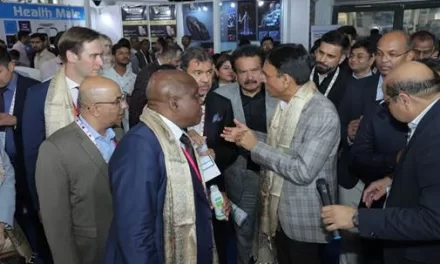
NEW DELHI — In a major bid to transform the country from the “pharmacy of the world” into a global hub for medical breakthrough research, Union Minister of Commerce & Industry Shri Piyush Goyal announced a massive expansion plan for India’s pharmaceutical sector. Speaking at the Global Ambassador Meet on Pharmaceutical Sector in New Delhi, Goyal invited international drug manufacturers to invest in India’s rapidly growing medical ecosystem. He projected that the nation’s pharmaceutical industry, currently valued at approximately $60 billion, is on track to double its market size within the next five years.
The announcement marks a deliberate strategic pivot for India’s healthcare manufacturing base. For decades, the nation built its reputation on producing low-cost, high-quality generic copies of off-patent medications. Now, backed by a robust domestic economy growing at 7.7% despite global trade friction, India is aggressively pursuing advanced biological therapies, novel drug discoveries, and cutting-edge clinical research.
The Strategic Leap to Biologics and Innovation
While India will maintain its bedrock commitment to providing affordable healthcare to the developing world, the government is introducing substantial structural incentives to spark high-value research. Central to this transition is the newly announced Biopharma Shakti programme, a flagship ₹10,000-crore ($1.2 billion) initiative introduced in the recent Union Budget.
The initiative is designed to transition the domestic ecosystem toward frontier medical sciences, including:
-
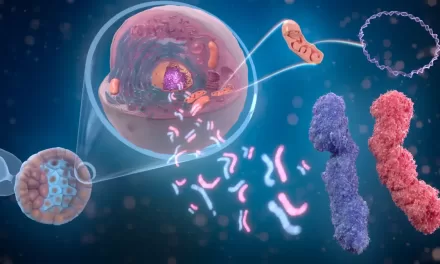
Biologics: Large, complex medications manufactured in living cell cultures (such as monoclonal antibodies used in advanced cancer treatments).
-
Biosimilars: Highly similar, more affordable iterations of biological drugs that can slash patient treatment costs by 30% to 70%.
-
Non-Animal Testing Methodologies (NAMs): Utilizing human cell-derived organoids and 3D bioprinting to test drug safety more accurately and rapidly than traditional animal models.
To support this influx of complex drug development, the government plans to establish three new National Institutes of Pharmaceutical Education and Research (NIPERs) and upgrade seven existing centers into translational research hubs. Furthermore, India is setting up a coordinated national network of over 1,000 accredited clinical trial sites, making it one of the most efficient and diverse clinical testing destinations globally.
Foundations of Global Trust
A key message to global ambassadors and foreign pharmaceutical executives during the New Delhi conclave was the reliability and regulatory maturity of Indian manufacturing units. Goyal emphasized that India’s regulatory frameworks are fully aligned with the World Health Organization’s (WHO) Good Manufacturing Practices (GMP).
India’s operational footprint in global health security remains unparalleled:
| Metric | Global Significance |
| Vaccine Supply | Outpatient programs rely heavily on India, which supplies 65% to 70% of all WHO vaccine requirements. |
| US FDA Approvals | India hosts the highest number of US FDA-approved pharmaceutical manufacturing plants located outside the United States. |
| Industry Scale | 10 of the world’s 25 largest generic pharmaceutical companies operate directly out of India. |
| Intellectual Property | Domestic patent filings in the life sciences sector have risen by nearly 100% in recent years. |
“Millions of patients worldwide depend on affordable medicines supplied by India,” Goyal remarked, highlighting the stark economics of generic alternatives. In the United States, generics account for 80% to 90% of the total volume of prescriptions dispensed, yet they account for a mere 10% to 15% of total spending.
Public Health Implications and Post-Pandemic Equity
For health-conscious consumers and healthcare providers worldwide, India’s expansion provides long-term stability to vulnerable supply chains. The global healthcare sector has faced systemic shortages of critical drugs, from basic antibiotics to complex oncology therapeutics, exacerbated by geopolitical instability and trade tariffs.
Goyal referenced the ancient Sanskrit philosophy “Sarve Santu Niramaya”—”May all beings be free from illness”—to describe India’s approach to medicine as a shared humanitarian responsibility rather than a purely commercial pursuit. He reminded international delegates that during the peak of the COVID-19 pandemic, India provided essential medications free of cost to more than 100 developing nations, particularly across the Global South.
Addressing past controversies regarding temporary export restrictions, the Minister clarified that those measures were executed strictly to prevent wealthy international intermediaries from cornering medical supplies and inflating prices. By keeping distribution channels transparent, India ensured that foreign governments received lifesaving therapies at pre-pandemic price points.
Expert Perspectives, Nuance, and Structural Hurdles
While public health professionals welcome India’s push into advanced biotech, industry independent analysts suggest the transition from basic small-molecule chemistry to complex biologics will not happen overnight.
Medical manufacturing experts point out that biological products are incredibly delicate, frequently requiring highly specialized cold-chain logistics networks that must maintain steady sub-zero temperatures from the factory floor directly to the patient’s bedside. Building out this specialized infrastructure across a country of 1.4 billion people—and ensuring its resilience during hot tropical summers—presents a distinct logistical challenge.
Furthermore, public health advocates voice valid concerns regarding pricing balance. As Indian companies move upstream into patented, innovation-driven medical products, there is a risk that the razor-thin margins and ultra-affordability that characterized India’s generic revolution could be compromised. Maintaining affordable pricing structures for life-saving biopharmaceuticals will require strict regulatory oversight and continued public-private partnerships.
Additionally, data from the IMARC Group highlights a persistent supply-chain vulnerability: India still relies heavily on foreign imports for raw chemical inputs.
The API Bottleneck: India imports roughly 73% of its basic Active Pharmaceutical Ingredients (APIs) and bulk drug intermediates from a single geographic market: China. If geopolitical tensions or factory shutdowns disrupt this pipeline, it could slow India’s broader ambitions of doubling its industry output, regardless of domestic innovation.
The Path Forward for Daily Health Decisions
For patients and clinicians, this systemic upgrade means that highly effective, next-generation biological therapies for chronic diseases—such as diabetes, severe autoimmune disorders, and various forms of cancer—are poised to become far more globally accessible and economical over the next decade.
By diversifying its capabilities from simple chemical formulas into frontier molecular research, India seeks to ensure that the future of global medicine remains resilient, innovative, and critically, within financial reach for the global population.
References & Sources
-
Government Declarations: Ministry of Commerce & Industry, Press Information Bureau (PIB) Delhi. Union Minister Shri Piyush Goyal Invites Global Pharma Companies to Partner India’s Growth Story. Published June 8, 2026.
Medical Disclaimer: This article is for informational purposes only and should not be considered medical advice. Always consult with qualified healthcare professionals before making any health-related decisions or changes to your treatment plan. The information presented here is based on current research and expert opinions, which may evolve as new evidence emerges.