 0
0
 0
0
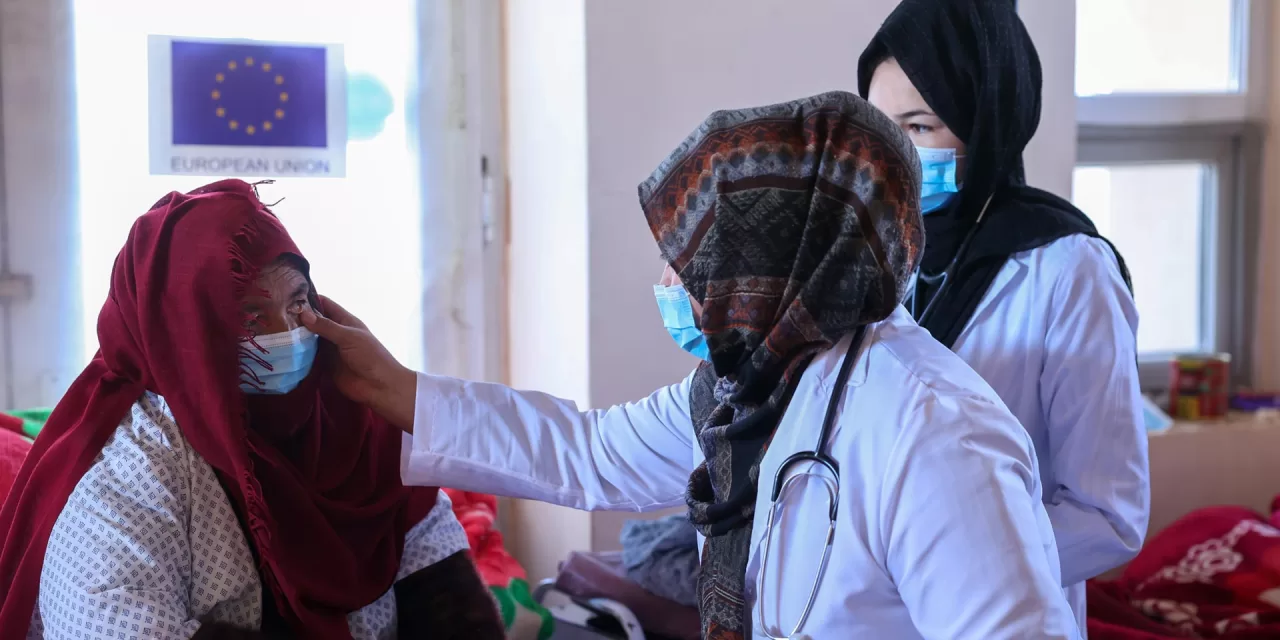
QUETTA, Pakistan — In a sobering admission that highlights the deepening humanitarian challenges in Pakistan’s largest province, Balochistan’s Health Secretary, Mujeebur Rehman, revealed this month that over 80% of the provincial population lacks access to basic primary healthcare services.
The statement, reported across regional and national outlets in April 2026, underscores a systemic breakdown in a region where vast distances, crumbling infrastructure, and acute staffing shortages have created a “healthcare desert” for millions. For a province already grappling with some of the highest maternal and infant mortality rates in South Asia, the lack of a functional primary care safety net is not just a policy failure—it is a public health emergency.
The Anatomy of the Access Gap
Primary healthcare (PHC) is designed to be a patient’s first point of contact with the medical system. It encompasses essential services such as routine vaccinations, prenatal checkups, fever management, and early disease screening. When 80% of a population is severed from this first tier of care, the entire medical ecosystem begins to collapse.
In Balochistan, this gap translates into a “late-stage” medical culture. Without local clinics, residents often wait until a condition becomes life-threatening before embarking on grueling journeys to the provincial capital, Quetta.
“Primary care is the bedrock of any health system,” says Dr. Arshad Memon, a public health specialist not involved in the provincial report. “When you remove that foundation, you don’t just lose clinics; you lose the ability to prevent outbreaks, manage chronic hypertension, and ensure safe births. The burden then shifts to tertiary hospitals that are already overwhelmed and under-equipped to handle basic cases.”
A Crisis of Geography and Management
While Balochistan’s geography—characterized by rugged terrain and sparsely populated settlements—poses a natural hurdle, experts argue that human factors are equally to blame.
-
Concentration of Care: The majority of specialized facilities and senior doctors are stationed in Quetta, leaving rural districts such as Awaran or Musakhel with skeletal services.
-
Staffing Shortages: Recent economic reviews of the province indicate a doctor-to-patient ratio of approximately 1:1,000 and a nurse-to-patient ratio of 1:500. These figures lag significantly behind international benchmarks for stable healthcare delivery.
-
Infrastructure Decay: A 2023 review of primary healthcare in the province noted that while the number of Basic Health Units (BHUs) has technically expanded, many remain “partially functional” due to lack of electricity, clean water, or essential medicines.
The Human Cost: Mothers and Newborns at Risk
The most devastating impact of this 80% access gap is visible in maternal and child health statistics. According to the Pakistan Maternal Mortality Survey, Balochistan’s maternal mortality ratio stands at 298 deaths per 100,000 live births—a figure nearly 60% higher than the national average of 186.
In April 2025, the World Health Organization (WHO) noted that Pakistan loses approximately 675 newborns and 27 mothers every day to preventable causes. In Balochistan, these deaths are frequently linked to the absence of “antenatal gateways.” Without primary care, women miss the four-to-eight recommended prenatal visits that identify high-risk complications like pre-eclampsia or fetal distress.
A facility assessment published in the medical journal Cureus found that even existing facilities in the province often lacked the basic neonatal equipment necessary to keep a struggling newborn alive during the first “golden hour” of life.
Expert Perspectives and Reform Efforts
International organizations have signaled a heightened level of concern. In a 2025 provincial update, UNICEF leadership emphasized that infrastructure alone—the “bricks and mortar” of clinics—cannot bridge the gap.
“We are focusing on building health-worker capacity and data systems,” a UNICEF representative stated. “A clinic without a trained midwife, a reliable cold chain for vaccines, or a functioning referral ambulance is just a building, not a healthcare provider.”
Despite the grim statistics, there are signs of a shift in strategy. Provincial officials have pointed to new “digitization efforts” aimed at tracking staff attendance and medicine stockouts in real-time. However, health advocates remain skeptical, noting that “reform on paper” rarely reaches the nomadic and rural populations that need it most.
Conflicting Viewpoints and Data Limitations
It is important to note that the 80% figure cited by Secretary Rehman is an official estimate rather than a peer-reviewed population census. While this figure aligns with independent assessments from the Pakistan Health and Education Association (PEAH), some local administrators argue that the “access” definition varies.
Some officials claim that “access” should include the growing private sector; however, for the impoverished majority in Balochistan, private care remains financially out of reach, making the lack of public primary care a de facto total lack of care.
What This Means for Residents and Policymakers
For the general public, the implications are clear and urgent:
-
Early Intervention: Residents are encouraged to seek vaccinations and maternal checkups at any functional facility, even if travel is required, as the risks of waiting for a crisis are disproportionately high in this region.
-
Preventive Focus: In the absence of robust clinics, community-level health education regarding nutrition and hygiene becomes the primary tool for survival.
For policymakers, the “80% gap” serves as a benchmark for failure that requires more than incremental funding. Experts suggest that a decentralized model—utilizing mobile health units and incentivizing female medical officers to work in rural districts—is the only viable path forward.
“Healthcare access is more than a dot on a map,” concludes the editorial board of The Express Tribune. “It is a promise that when a child develops a fever or a mother begins labor, help is within reach. For 80% of Balochistan, that promise remains unkept.”
Reference Section
-
Official Statements: Rehman, M. (April 2026). Report on Provincial Primary Healthcare Access. Balochistan Health Department. (As reported by Dawn and IANS).
Medical Disclaimer: This article is for informational purposes only and should not be considered medical advice. Always consult with qualified healthcare professionals before making any health-related decisions or changes to your treatment plan. The information presented here is based on current research and expert opinions, which may evolve as new evidence emerges.