 0
0
 0
0
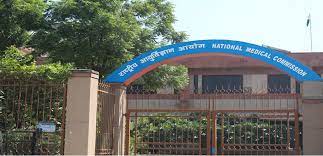
NEW DELHI — In a sweeping regulatory shift aimed at safeguarding the quality of medical training while preventing massive disruptions to the academic calendar, the National Medical Commission (NMC) has issued conditional renewal letters to more than 800 medical colleges across India for the 2026–27 academic session. Announced on July 9–10, 2026, this decision permits institutions to proceed with undergraduate MBBS admissions, but with a critical caveat: they must fully rectify existing infrastructure, faculty, and clinical deficiencies within a strict 45-day window. The move marks a pivot away from rigid, pre-admission annual inspection routines toward a dynamic model driven by surprise audits and hybrid follow-up evaluations.
A New Era of Medical Oversight: What Has Changed?
For years, India’s medical education regulatory framework operated on a linear system. Medical colleges were required to undergo mandatory, scheduled inspections to secure annual renewals before they could admit a new batch of students. This frequently led to stressful bottlenecks, legal battles, and sudden admission pauses if an institution fell short during its designated inspection week.
Under the newly implemented directive from the NMC’s Medical Assessment and Rating Board (MARB), the process has been flipped. Colleges that have received these renewal letters can immediately participate in the upcoming counseling and admission cycle. However, their official approval remains strictly provisional.
Speaking on the shift, Prof. M.K. Ramesh, President of the MARB, explained the strategic rationale:
“We have shifted from annual renewal inspections to conditional renewal followed by random assessments. If shortcomings persist past the 45-day grace period, institutions will face severe regulatory action.”
Once the 45-day correction window closes, the NMC plans to deploy physical, virtual, or hybrid surprise assessments to verify compliance on the ground rather than relying solely on paper submissions.
The Scale of India’s Medical Education Expansion
To understand the magnitude of this decision, one must look at the rapid growth of India’s healthcare education sector. According to data released by the NMC in early 2025, India’s medical education capacity climbed to approximately 123,700 MBBS seats distributed across 808 medical colleges.
While this expansion is vital for addressing the country’s doctor-to-population ratio, it has severely strained the supply of qualified medical teachers and hospital resources. The NMC’s undergraduate framework mandates strict minimum standards for:
-
Faculty Strength: A designated ratio of professors, associate professors, and residents to students.
-
Clinical Exposure: A minimum number of functional hospital beds, daily outpatient department (OPD) footfall, and operational major surgeries.
-
Educational Infrastructure: Adequately equipped digital classrooms, laboratories, anatomy dissection halls, and medical libraries.
The Public Health Impact: Why Training Quality Matters to Patients
For aspiring medical students and their families, the immediate outcome of this policy is stability. The conditional rollout prevents sudden seat slashes, ensuring that tens of thousands of candidates do not lose their hard-earned seats right before counseling begins.
However, from a public health standpoint, the stakes are significantly higher. Medical education quality directly correlates with patient safety, diagnostic accuracy, and the overall competence of the future healthcare workforce.
Independent medical education analysts note that expanding seat numbers is only beneficial if the classrooms, teaching hospitals, and mentors are robust enough to support them. If a medical student graduates from a college with a ghost faculty or an empty hospital wing, their clinical acumen suffers. Ultimately, it is the general public that bears the risk when under-trained physicians enter community health systems.
If enforced aggressively, this 45-day ultimatum could act as a powerful catalyst, forcing lagging institutions to rapidly invest in recruiting full-time faculty and upgrading medical equipment.
Limitations, Uncertainties, and Regulatory Challenges
While the policy seeks a pragmatic middle ground between access and accountability, medical watchdogs express measured skepticism. Current reports from the NMC have not yet published a comprehensive, state-wise breakdown of the compromised institutions, nor have they detailed the exact severity of the deficiencies identified.
A critical limitation of the 45-day window is whether it provides sufficient time for structural fixes. While hiring temporary ad-hoc faculty or purchasing books can be completed in a month and a half, building physical laboratories, upgrading intensive care units (ICUs), or increasing sustained patient footfall in a struggling hospital takes months, if not years.
Furthermore, the ultimate success of this policy depends entirely on the NMC’s follow-through. If the surprise virtual and physical audits are compromised by uneven enforcement or bureaucratic leniency, the conditional approval risks becoming a rubber-stamping exercise rather than a genuine quality safeguard.
The Takeaway for Consumers and Future Doctors
For the general public, this development highlights an ongoing struggle to balance healthcare volume with healthcare value. The conditional renewal system is a constructive compromise, but its success will be judged by how strictly the regulator penalizes colleges that fail to comply by late August 2026.
For students planning their MBBS journey this year, the message is clear: while seat availability remains secure for the upcoming term, the institutions behind those seats are under unprecedented regulatory scrutiny. Aspiring doctors and their guardians should diligently research the clinical reputation and infrastructure history of colleges during the choice-filling process, keeping in mind that the regulatory floor is actively shifting beneath institutions that cut corners.
Reference Section
-
The Times of India. “Over 800 medical colleges issued conditional renewal letters; MARB outlines shift to random assessments.” Published: July 9, 2026.
Medical Disclaimer: This article is for informational purposes only and should not be considered medical advice. Always consult with qualified healthcare professionals before making any health-related decisions or changes to your treatment plan. The information presented here is based on current research and expert opinions, which may evolve as new evidence emerges.