 1
1
 0
0
KOTA, RAJASTHAN — Following a tragic cluster of postpartum deaths and reported infections, a high-level expert team led by the All India Institute of Medical Sciences (AIIMS), Delhi, has been dispatched to inspect government hospitals in the Kota and Bundi districts of Rajasthan. The investigation, prompted by fatal complications following Caesarean section (C-section) surgeries, has renewed national attention on hospital infection control, surgical safety protocols, and the systemic vulnerabilities that jeopardize maternal health.
The probe follows swift administrative action by the Rajasthan government, which recently suspended multiple doctors and nursing officers linked to the cases at Kota’s New Medical College Hospital. Show-cause notices have also been issued to senior hospital administrators. Local authorities and central medical experts are framing the crisis as both an acute failure of clinical safety and a critical accountability issue within the region’s healthcare infrastructure.
Unpacking the Crisis: What Happened in Kota
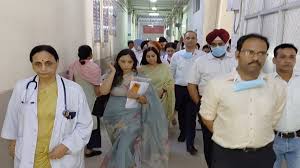
The deployment of the federal medical team was announced by Lok Sabha Speaker Om Birla following a series of maternal deaths that sent shockwaves through the community. The expert panel, which includes specialists from AIIMS Delhi and other premier central institutions, is tasked with auditing the hospitals’ operating theatres, reviewing surgical procedures, evaluating sterilization techniques, and examining overall institutional management.
The team’s ultimate objective is to design comprehensive institutional reforms and draft stringent new Standard Operating Procedures (SOPs) to prevent future tragedies. While the state government’s disciplinary suspensions target immediate negligence, public health experts emphasize that the investigation must look deeper into the systemic gaps—such as overcrowding, understaffing, or compromised sanitation infrastructure—that allow lethal pathogens to take hold in surgical environments.
The Critical Role of Infection Control in Maternal Care
Maternal infections around the time of childbirth, known clinically as peripartum infections, are neither rare nor uncontrollable. According to the World Health Organization (WHO), direct maternal infections account for approximately one-tenth of all maternal deaths globally.
For women undergoing C-sections, the risk of surgical site infections (SSIs) is significantly higher than for those who deliver vaginally. To mitigate this risk, the WHO’s global guidelines outline precise, evidence-based interventions divided into three distinct phases:
-
Preoperative: Mandatory antiseptic skin preparation using specific alcohol-based chlorhexidine gluconate solutions and the timely administration of prophylactic (preventative) antibiotics—ideally within 60 minutes before the first surgical incision.
-
Intraoperative: Strict operating theatre discipline, minimizing staff movement, maintaining sterile fields, and utilizing appropriate surgical techniques.
-
Postoperative: Proper wound care, continuous monitoring for early signs of infection, and clean environment maintenance.
When these steps are compromised, a routine surgical procedure can quickly turn fatal. Peripartum infections can rapidly escalate into maternal sepsis—a life-threatening medical emergency where the body’s response to an infection damages its own tissues, leading to organ failure and death.
What the Evidence Tells Us: System-Level Changes Save Lives
The scientific consensus supporting rigid infection prevention protocols is robust. Clinical data consistently demonstrates that structured, system-wide interventions dramatically improve survival rates.
A landmark global study supported by the WHO and published in late 2025 evaluated a structured infection-prevention program called APT-Sepsis. The program focuses on practical, hospital-wide adherence to evidence-based bundles of care. The findings were definitive:
| Clinical Outcome measured by APT-Sepsis Study (2025) | Reduction Rate vs. Standard Care |
| Severe Maternal Infections & Overall Deaths | 30% Reduction |
| Infection-Related Maternal Mortality & Severe Morbidity | 32% Reduction |
This data underscores the reality facing the Kota inquiry: maternal deaths from infections are largely preventable. When hospitals implement continuous, tightly monitored safety protocols rather than treating infection control as an optional checklist, patient outcomes improve dramatically.
The Public Health Context in India
The tragedy in Kota occurs against a backdrop of significant, hard-won progress in Indian maternal healthcare. According to the Special Bulletin on Maternal Mortality in India released by the Registrar General of India, the country’s Maternal Mortality Ratio (MMR) dropped from 130 per lakh (100,000) live births in 2014–16 to 93 per lakh live births in 2019–21.
While this downward trend reflects successful public health initiatives, national averages can mask severe, localized failures. Outbreaks of postoperative infections expose underlying fractures in local healthcare delivery, including clean water availability, adequate nursing-to-patient ratios, proper waste disposal, and reliable access to emergency blood transfusions. Furthermore, when localized clusters of preventable deaths occur, they severely erode public trust in public health facilities, driving vulnerable families away from institutional deliveries and back toward unsafe, unmonitored childbirth practices.
Independent Expert Perspective: The ‘FAST-M’ Approach
While local official reports have focused heavily on administrative accountability and disciplinary action, independent maternal health experts emphasize clinical vigilance. Modern protocols favor active, aggressive prevention and the utilization of standardized frameworks like the “FAST-M” protocol for managing suspected maternal sepsis:
F – Fluids (Resuscitation to maintain blood pressure)
A – Antibiotics (Broad-spectrum delivery within the first hour)
S – Source Control (Identifying and removing the cause of infection, such as debriding a surgical wound)
T – Transfer (Escalating care to an intensive care unit if required)
M – Monitoring (Continuous tracking of vital signs and organ function)
Medical experts stress that the safest maternity wards are those that treat infection control as an ongoing, dynamic process. Because postpartum infections can progress with devastating speed, the difference between life and death often hinges on a nurse or doctor identifying a subtle change in a patient’s vital signs during a routine post-operative check.
Limitations of the Current Findings
As the AIIMS-led investigation begins, public health analysts caution against premature conclusions. The current reports detail administrative suspensions and allegations of negligence, but a comprehensive technical root-cause analysis has not yet been finalized or made public. It is crucial to await the expert team’s formal report to understand whether the deaths were caused by contaminated surgical materials, a specific multi-drug resistant bacterial outbreak, or localized human error.
Additionally, experts urge the public not to overgeneralize this tragedy. While the gaps in Kota require urgent corrective action, the long-term national decline in maternal mortality suggests that the issue is one of uneven healthcare quality and localized systemic failures, rather than a total collapse of India’s maternal care framework.
What This Means for Patients and Families
For pregnant individuals and their families, the developments in Kota should not elicit panic, but rather empower an attitude of active health advocacy. When choosing a healthcare facility for delivery, families are encouraged to look for and ask about basic safety indicators:
-
Are the labor rooms and post-operative wards visibly clean and well-maintained?
-
Do doctors, nurses, and visitors utilize hand hygiene stations before interacting with patients?
-
Are doctors clearly explaining the purpose and timing of prescribed antibiotics?
Following a C-section or vaginal delivery, families should maintain a high degree of vigilance. Immediate medical attention should be sought if the postpartum individual experiences any of the following warning signs:
-
A fever exceeding 100.4°F (38°C)
-
Worsening pain, swelling, or severe redness around the surgical incision
-
Foul-smelling vaginal discharge or fluid leaking from the surgical wound
-
Sudden shortness of breath, severe dizziness, or profound lethargy
By recognizing these symptoms early and demanding adherence to basic hygiene standards, communities can work alongside healthcare systems to ensure safer childbirth for every mother.
References
https://www.lokmattimes.com/national/rajasthan-aiims-team-inspects-kota-hospitals-to-probe-maternal-death-cases/
Medical Disclaimer: This article is for informational purposes only and should not be considered medical advice. Always consult with qualified healthcare professionals before making any health-related decisions or changes to your treatment plan. The information presented here is based on current research and expert opinions, which may evolve as new evidence emerges.