 0
0
 0
0
NEW DELHI — On World Hypertension Day, global health officials issued a stark warning regarding a massive, hidden public health crisis: more than 159 million people in Southeast Asia alone are living with hypertension without even knowing it.
In an official statement released on May 17, 2026, Dr. Catharina Boehme, Officer-in-Charge for the World Health Organization (WHO) South-East Asia Region, revealed that nearly 80% of individuals diagnosed with hypertension in the region do not have their blood pressure under control. This lack of management places an immense, preventable burden on families and healthcare systems worldwide.
Hypertension, commonly known as high blood pressure, significantly elevates the risk of devastating medical events, including heart attacks, strokes, and kidney disease. Despite being highly preventable and treatable, it remains the leading preventable cause of premature death across the globe, afflicting an estimated 1.4 billion people.
This year’s World Hypertension Day theme, “Controlling Hypertension Together: Check Your Blood Pressure Regularly, Defeat the Silent Killer,” serves as both a global rallying cry and a practical reminder. Health authorities are urging individuals to “know their numbers” while demanding coordinated action from communities, clinicians, and policymakers alike.
The Scale of the Silent Killer
Blood pressure is the force exerted by circulating blood against the walls of the body’s arteries. When this pressure remains consistently too high, it gradually damages blood vessels and vital organs. It is frequently dubbed the “silent killer” because it rarely presents obvious symptoms until severe, sometimes fatal, damage has already occurred.
GLOBAL HYPERTENSION BURDEN (2026 WHO DATA)
┌───────────────────────────────────────┬───────────────┐
│ Global Cases                          │ 1.4 Billion   │
├───────────────────────────────────────┼───────────────┤
│ WHO South-East Asia Cases             │ 273+ Million  │
├───────────────────────────────────────┼───────────────┤
│ Unaware of Condition (South-East Asia)│ 159+ Million  │
└───────────────────────────────────────┴───────────────┘
“The sheer volume of individuals walking around with undetected high blood pressure is a ticking time bomb for global public health,” says Dr. Aris Papageorgiou, a preventive cardiology specialist at the London Institute of Health, who was not involved in the WHO report.
“When three-quarters of a population with a chronic condition do not have it under control, it points to systemic gaps in routine screening and accessible long-term care, rather than just individual negligence.”
Ground gained: Massive Scale-Up in Public Health Interventions
Despite the sobering statistics, the WHO report highlights historic milestones achieved through large-scale public health frameworks. Chief among these is the WHO SEAHEARTS initiative. As of December 2025, more than 68.5 million people living with hypertension across Southeast Asia were placed on standardized, protocol-based management.
Furthermore, structural population-level interventions have successfully curbed major dietary risk factors:
-
Salt Reduction: Approximately 2.08 billion people are now covered by at least one measure of the WHO SHAKE technical package, designed to lower population-wide sodium consumption.
-
Trans Fat Elimination: More than 2.03 billion people have gained legal and regulatory protection from industrial trans fats through best-practice frameworks, surpassing the WHO’s initial 2-billion-person target.
Looking toward the next decade, regional leaders have committed to expanding these milestones. The revised 2030 targets aim to place 100 million individuals with hypertension on protocol-based management, with a specific goal of bringing 60 million of those cases under strict medical control. This initiative aligns with the political declaration established at the Fourth UN High-Level Meeting on Noncommunicable Diseases.
Persistent Obstacles in Primary Care
Despite robust policy achievements, critical gaps remain between clinical diagnosis and successful, long-term blood pressure control. Of the tens of millions currently enrolled in standardized management protocols, only 15.3 million individuals have achieved controlled blood pressure at the facility level.
The WHO identified several persistent systemic vulnerabilities:
-
Equipment Scarcity: A significant number of rural and community health facilities still lack access to clinically validated, accurate blood pressure monitoring devices.
-
Supply Chain Fragility: Frequent medication stockouts and limited dispensing windows interrupt continuous patient therapy.
-
Missing Modern Therapies: Modern, evidence-based treatments—such as single-pill combinations that combine multiple blood pressure medications to improve patient adherence—remain largely absent from national essential medicines lists and primary care supply chains.
-
Data Blind Spots: Only six countries within the South-East Asia region currently possess the infrastructure to monitor and report blood pressure control data at the primary healthcare level.
Balancing the Perspective: Clinical Realities and Patient Challenges
While large-scale health initiatives emphasize standardized medication protocols, independent health advocates note that medication is only one piece of the puzzle. Critics of purely protocol-driven approaches argue that without addressing the socioeconomic barriers to healthy food, safe exercise spaces, and stress management, medication compliance often falters.
“Standardized protocols are excellent for scaling care, but they can sometimes overlook the individual,” notes Dr. Elena Rostova, a public health policy researcher. “If a patient cannot afford their medication due to supply chain failures, or if they live in an area without access to fresh, low-sodium foods, simply prescribing a pill will not control their hypertension.”
Additionally, clinical guidelines often debate the precise thresholds for initiating medication versus lifestyle modifications. While aggressive treatment prevents strokes, it requires careful, individualized medical supervision to avoid adverse side effects, particularly in elderly populations.
Actionable Steps: What You Can Do
Hypertension is both highly preventable and manageable. For the general public, defeating the silent killer relies on a combination of regular monitoring and sustainable lifestyle adjustments.
-
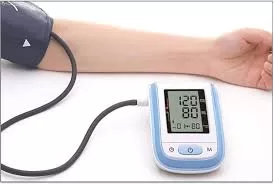
Check Your Numbers: The WHO emphasizes that regular blood pressure measurement is the critical first step. Adults should have their blood pressure checked at least once a year by a healthcare professional, or more frequently if utilizing a validated home monitor.
-
Adopt a Heart-Healthy Diet: Reducing sodium intake and eliminating processed foods containing trans fats can significantly lower blood pressure. Focus on diets rich in whole grains, fruits, vegetables, and lean proteins.
-
Increase Physical Activity: Engaging in at least 150 minutes of moderate-intensity exercise, such as brisk walking, each week helps maintain arterial elasticity.
-
Limit Toxins: Avoiding tobacco products and minimizing alcohol consumption drastically reduces systemic vascular resistance and protects the heart.
-
Adhere to Treatment: If lifestyle modifications are insufficient, affordable and highly effective daily medications are available. Consistency is vital; blood pressure medications must be taken as prescribed, even when you feel entirely healthy.
A Comprehensive Call to Action
To close the remaining gaps in global health security, the WHO is calling for a unified, multi-sector response:
-
Governments must enforce stricter tobacco and alcohol controls, build healthier food environments, and strengthen primary healthcare infrastructure to ensure equitable treatment access.
-
Regulatory Authorities must collaborate with manufacturers to scale up production and distribution of affordable, clinically validated blood pressure monitors for home and clinic use.
-
Healthcare Providers must prioritize opportunistic screening, comprehensive patient education, and continuous, uninterrupted care models.
-
Communities and Individuals must take ownership of localized awareness campaigns to eliminate the stigma around chronic disease management and make routine blood pressure checks a standard household practice.
“On World Hypertension Day, let us renew our commitment to act with urgency and unity,” Dr. Boehme stated. “Together, we can control hypertension and defeat this silent killer.”
References
-
Study & Statement Source: World Health Organization (WHO) South-East Asia Region. (2026, May 17). World Hypertension Day 2026: Statement by Dr Catharina Boehme, Officer-in-Charge. WHO Regional Office for South-East Asia.
Medical Disclaimer
Medical Disclaimer: This article is for informational purposes only and should not be considered medical advice. Always consult with qualified healthcare professionals before making any health-related decisions or changes to your treatment plan. The information presented here is based on current research and expert opinions, which may evolve as new evidence emerges.