 0
0
 0
0
NEW DELHI — In a critical move to safeguard the country’s pediatric drug supply, the National Pharmaceutical Pricing Authority (NPPA) has approved a 20.6% increase in the ceiling prices for three essential childhood vaccines: Bacillus Calmette-Guérin (BCG), Measles-Rubella (MR), and the standalone Measles vaccine. Announced following the NPPA’s 279th Authority meeting, the decision highlights a delicate balancing act for India’s public health ecosystem: adjusting market economics to protect vulnerable populations from life-threatening vaccine shortages.
The revised pricing structure, which incorporates a 2026 Wholesale Price Index (WPI) adjustment of 0.64956%, shifts the maximum permissible rates for single doses and vials.
Shifting Margins: The New Cost Breakdowns
The price changes represent a targeted intervention by the government. The absolute increases remain minimal in terms of local currency, but they mark a significant shift in regulatory strategy for single-source pharmaceuticals.
| Vaccine | Previous Ceiling Price | New Ceiling Price | Absolute Increase |
| BCG Vaccine (0.10 ml dose) | ₹8.20 | ₹9.89 | ₹1.69 |
| Measles-Rubella (MR) Vaccine (0.5 ml vial) | ₹72.90 | ₹87.93 | ₹15.03 |
| Measles Vaccine (0.5 ml vial) | ₹51.40 | ₹62.00 | ₹10.60 |
Why the Government Sanctioned the Hike
The decision follows a formal review order from the Department of Pharmaceuticals. Historically, the NPPA applied a “monopoly-based reduction” to suppress the prices of drugs supplied by a single manufacturer to prevent price-gouging. However, evaluating these specific childhood vaccines revealed a different crisis: hyper-suppressed prices combined with sharp increases in raw material and manufacturing costs were making production financially unviable.
Because a single manufacturer supplies these specific formulations, forcing a price below production costs threatened a total market exit. “This decision aims to prevent shortages and ensure patients continue to receive these life-saving treatments,” noted a government official during the proceedings. By removing the monopoly penalty, the NPPA chose to prioritize market availability over rigid pricing formulas.
Understanding the Scientific Stakes
The three affected vaccines form the bedrock of early childhood survival metrics in India.
BCG: The Frontline Against Childhood Tuberculosis
The BCG vaccine utilizes a live-attenuated strain (the Danish strain is standard in India’s public health catalog) to stimulate localized cell-mediated immunity. Administered intradermally at birth, it boasts an efficacy rate of 60% to 80% against severe, disseminated forms of pediatric tuberculosis, such as tuberculous meningitis and miliary TB. While it does not effectively prevent primary pulmonary infection in adults, its role in preventing fatal neurological TB in infants makes it indispensable.
MR and Measles: The Elimination Drive
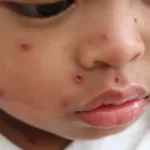
Measles is a highly contagious viral pathogen capable of causing severe pneumonia, encephalitis, and subacute sclerosing panencephalitis (SSPE). Rubella, while typically mild in children, triggers Congenital Rubella Syndrome (CRS) if contracted during early pregnancy, leading to irreversible ophthalmic, auditory, and cardiac defects in newborns.
India’s national health strategy aims for total elimination of both viruses. Under the Universal Immunization Programme (UIP), children receive a two-dose schedule:
-
Dose 1: Given at 9–12 months of age.
-
Dose 2: Given at 16–24 months of age.
Data from the Health Management Information System (HMIS) shows first-dose coverage at 93.7% and second-dose coverage at 92.2%. Maintaining these high thresholds requires an uninterrupted pipeline of vials to local clinics.
Immunization Targets vs. Current Status (HMIS Data)
[===================================>..] 93.7% First Dose Coverage
[=================================>....] 92.2% Second Dose Coverage
[======================================>] 95.0% Herd Immunity Threshold Needed
Public Health Implications: Who Pays the Bill?
The public health impact depends entirely on where a family receives care.
The Public Sector (Zero Consumer Impact)
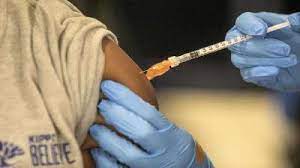
For the vast majority of Indian families utilizing government health facilities, sub-centers, and Anganwadi hubs, the cost remains completely unchanged. Under the Universal Immunization Programme, these vaccines are provided entirely free of cost. The financial impact of the 20.6% hike will be absorbed by the Ministry of Health and Family Welfare’s procurement budget, rather than out-of-pocket spending by citizens.
The Private Sector (Modest Cost Increases)
For families opting for private pediatric clinics, the ceiling price dictates the maximum retail price (MRP). Private practitioners purchasing these vaccines may see a slight upward tick in billing. However, given that the maximum absolute increase is just over ₹15 per vial, the change is unlikely to deter middle- and upper-income consumers who utilize private healthcare.
Limitations, Market Vulnerabilities, and Expert Caution
While the pricing adjustment solves an immediate supply threat, it exposes structural vulnerabilities in India’s drug security framework.
The Single-Manufacturer Risk
Relying on a single manufacturer for foundational vaccines creates an fragile supply chain. If that single production facility encounters contamination, regulatory compliance freezes, or natural disasters, the entire nation faces an immediate stockout. Public health experts argue that while adjusting prices keeps the current line moving, the long-term solution requires the government to incentivize alternative manufacturing sources to build structural resilience.
Questions Over Regulatory Transparency
The price adjustment occurs alongside a broader trend of escalating healthcare costs. The NPPA concurrently allowed up to a 50% price increase for critical oncology medications (such as Carboplatin and Cisplatin) and anti-tetanus immunoglobulins due to similar supply pressures. Some independent healthcare watchdogs have raised concerns regarding the exact mathematical accounting used to justify these leaps, urging the NPPA to publish more granular cost-auditing data to maintain public confidence.
The Takeaway for Families and Clinicians
-
For Parents: If your child is vaccinated through public health channels, your care remains fully covered and free. If you use private care, expect a marginal increase in the vaccine cost base, though it remains low relative to overall consultation and clinical fees. Do not delay scheduled doses; keeping to the immunization timeline is vital.
-
For Pediatricians and Nurses: The price adjustment is designed to stabilize the supply chain. You should anticipate fewer logistical delays and localized stockouts for BCG and MR vials over the coming quarters.
-
For the Healthcare System: This policy shift reflects a pragmatic reality. In a globalized pharmaceutical landscape, maintaining access to life-saving preventive care sometimes requires regulatory flexibility to meet rising manufacturing realities.
Medical Disclaimer
This article is for informational purposes only and should not be considered medical advice. Always consult with qualified healthcare professionals before making any health-related decisions or changes to your treatment plan. The information presented here is based on current research and expert opinions, which may evolve as new evidence emerges.
References
-
NDTV. “Price adjustments of critical oncology medications and anti-tetanus immunoglobulins.” Corporate reporting, June 12, 2026.