 0
0
 0
0
Published: June 20, 2026 | 5:13 AM IST
ESPERANCE, Western Australia — Mainland Australia has detected its first suspected case of the highly pathogenic H5N1 avian influenza strain, effectively ending the continent’s historic status as the final geographic sanctuary from the global bird flu panzootic. Federal Agriculture Minister Julie Collins confirmed on Friday that a wild migratory seabird tested positive for avian influenza at Cape Le Grand National Park near Esperance, approximately 700 kilometers southeast of Perth.
Preliminary diagnostic testing conducted by state authorities returned a positive result on Thursday, and confirmatory laboratory sequencing from specialized facilities in Melbourne is expected within 24 hours to formally determine if the sample matches the devastating global lineage of H5N1.
A Single Wild Bird, Tremendous Biosecurity Stakes
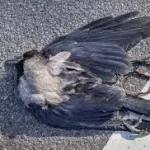
The suspected index case involves a brown skua—a predatory seabird species known to travel extensive distances across subantarctic regions. Western Australian environmental authorities discovered the bird unwell on Sunday; it has since succumbed to the virus. A second migratory bird, a giant petrel, was located displaying neurological symptoms in the same vicinity and is currently undergoing urgent diagnostic evaluation.
“This is a single bird, a suspected case, and we are as prepared as any country can be,” Minister Collins stated during a press briefing. She sought to reassure both agricultural sectors and the public, emphasizing that “there is no evidence of any mass mortality at this time, nor is there any evidence of infection in commercial poultry operations.”
The mainland detection follows an environmental prelude in Australia’s external territories. In October 2025, the H5N1 strain was officially identified on Heard Island, a remote World Heritage-listed subantarctic territory located 4,000 kilometers southwest of Perth. Genetic surveillance indicates the virus likely breached that territory in August 2025 via infected wildlife navigating from the Crozet Islands. The jump from the subantarctic island ecosystem to the coastal fringes of Western Australia highlights the unpredictable nature of migratory flyways.
Global Context: Hundreds of Millions of Lives Lost
The ongoing H5N1 avian influenza wave represents one of the most severe ecological and animal health crises on record. Data maintained by the United Nations Food and Agriculture Organization (FAO) reveals that the virus has decimated wild and domestic bird populations globally, resulting in the deaths of over 300 million wild birds since the current surge intensified.
The World Organisation for Animal Health (WOAH) and the U.S. Department of Agriculture (USDA) provide staggering statistical context to this shifting viral landscape:
| Impact Metric | Global Statistical Figure | Primary Data Source |
| Total Poultry Dead or Culled | 633 Million (Cumulative 2005–2024) | World Organisation for Animal Health (WOAH) |
| Poultry Lost to Culling | 82.1 Million (Single Year 2024) | WOAH Epidemic Reports |
| U.S. Commercial Flocks Culled | 166 Million (Cumulative 2022–2024) | U.S. Department of Agriculture (USDA) |
| Affected Wild Bird Species | 300+ Distinct Species Recognized | UN Food and Agriculture Organization (FAO) |
| Mammalian Outbreaks | Doubled to 1,022 independent events | WOAH Global Surveillance |
The virus has displayed an unprecedented capacity to cross species barriers, infiltrating more than 70 mammalian species. High-profile victims have included endangered California condors, polar bears in the Arctic, and massive dairy cattle herds across 17 U.S. states.
The Subantarctic Precedent
The vulnerability of native Australian fauna was underscored during the Heard Island outbreak. Wildlife biologists monitoring the subantarctic territory documented a catastrophic mortality event among marine mammals.
Researchers estimated that 13,359 southern elephant seal pups died out of a total population of 17,364—representing a staggering 76% mortality rate across the island, with some localized breeding harems experiencing losses as high as 97%.
“These detections of H5 bird flu at Heard Island and McDonald Island illustrated the ongoing eastward spread of the virus from the sub-Antarctic,” noted Dr. Julie McInnes, a wildlife biologist with the Australian Antarctic Program. “It proved the virus’s intense virulence in naive mammalian populations.”
Expert Perspectives on Human Health Risks
While the ecological toll is high, international and domestic health authorities maintain that the immediate danger to the general public remains low.
Dr. Paul Kelly, Professor and Head of the interim Australian Centre for Disease Control (CDC), has noted that human cases remain sparse and are heavily tied to direct, unprotected contact with sick animals. Australia recorded its first imported human case of H5N1 in December 2024—a child who contracted the virus while overseas and became ill upon returning. The patient recovered fully, and public health tracking confirmed zero forward transmission to family members or the community.
This tracking aligns with statements from the U.S. Centers for Disease Control and Prevention (CDC), which affirms: “The risk to the general public from these viruses remains low; however, people with close or prolonged contact with infected birds or other infected animals, or contaminated environments, are at greater risk.” The U.S. CDC further notes that no sustained, person-to-person transmission has been documented globally within current circulating lineages.
Similarly, the European Centre for Disease Prevention and Control (ECDC) reassures consumers: “The threat to human health from bird flu is currently very low but not zero. Only people who have close contact with infected birds or with their droppings and other body fluids are at risk.”
National Mobilization: The $100 Million Defense Strategy
To mitigate the agricultural and environmental fallout of an inevitable mainland arrival, the Australian Government has deployed an institutional defense framework backed by a $100 million biosecurity investment.
-
Agricultural Protection: Allocating $37 million over two years specifically targeted at safeguarding commercial poultry industries and native biodiversity.
-
Institutional Coordination: The establishment of a dedicated Highly Pathogenic Avian Influenza (HPAI) Preparedness Taskforce to synchronize responses across state lines.
-
Pre-Agreed Emergency Frameworks: Activating the national AUSVETPLAN Response Strategy for Avian Influenza alongside the Wild Animal Response Strategy, ensuring cost-sharing agreements between federal, state, and territory governments remain active.
Western Australian Department of Primary Industries officials emphasize that these proactive measures ensure commercial supply chains for poultry meats and eggs remain entirely safe, stable, and uncompromised.
Public Health Actions and Takeaways
Public health agencies have issued clear directives tailored to different sectors of the community to manage this mainland detection:
For Health-Conscious Consumers
-
Avoid Direct Contact: Do not touch or handle visibly sick or dead wild birds. Keep children and domestic pets away from wildlife carcasses on beaches or parks.
-
Reporting Mechanisms: Immediately report unusual clusters of avian sickness or mortality to the 24-hour Emergency Animal Disease Hotline at 1800 675 888.
-
Hygiene Standouts: Maintain routine hand hygiene by washing thoroughly with soap and water after visiting coastal environments. Commercial egg and poultry products remain safe for consumption under standard cooking procedures.
For Healthcare Professionals
-
Exposure Screening: Clinicians should explicitly screen patients presenting with acute respiratory symptoms or severe conjunctivitis for recent exposure to wild birds, poultry, or marine mammals.
-
Diagnostic Vigilance: Keep in mind that while human infections are rare, clinical presentations can escalate quickly without early antiviral intervention.
For Agricultural and Industry Workers
-
Biosecurity Hardening: Poultry producers must strictly enforce continuous indoor confinement where practical and segregate commercial flocks from open water sources frequented by wild waterfowl.
-
Review Protocols: Review internal personal protective equipment (PPE) stocks and vaccination strategies in alignment with current state agricultural guidance.
Limitations and Future Outlook
Epidemiologists caution that several vital uncertainties remain regarding this Western Australian detection:
-
Pending Confirmatory Analytics: The definitive confirmation of the H5N1 sub-lineage relies entirely on complex genomic sequencing underway in Melbourne labs, with data expected by Saturday.
-
True Environmental Toll: Wildlife researchers acknowledge that the recorded seal pup mortality rates on remote subantarctic islands likely represent a conservative undercount, as fatalities continued past the conclusion of the formal observation period.
-
Viral Evolution: The influenza A genome is highly prone to antigenic drift and shift. Continuous monitoring is required to detect mutations that might increase mammalian transmissibility or alter susceptibility to existing stockpiled antiviral medications.
As mainland surveillance intensifies across Australia’s vast coastlines, the international scientific community watches closely. The detection marks a significant ecological shift, reminding public health systems worldwide that robust biological surveillance remains the definitive line of defense against emerging zoonotic threats.
Medical Disclaimer
Medical Disclaimer: This article is for informational purposes only and should not be considered medical advice. Always consult with qualified healthcare professionals before making any health-related decisions or changes to your treatment plan. The information presented here is based on current research and expert opinions, which may evolve as new evidence emerges.
References
- https://www.reuters.com/business/healthcare-pharmaceuticals/australia-last-continent-without-h5-bird-flu-detects-first-suspected-case-2026-06-19/