 0
0
 0
0
SAN SALVADOR — In a historic milestone for global public health, the World Health Organization formally validated El Salvador as having eliminated trachoma as a public health problem. The announcement, delivered on July 13, 2026, marks a decisive victory against the world’s leading infectious cause of blindness. With this achievement, El Salvador becomes the first country in Central America—and only the second in the entire Region of the Americas, following Mexico in 2017—to successfully eradicate the ancient, debilitating disease from its borders.
The validation follows a rigorous three-year epidemiological assessment conducted between 2023 and 2026. Public health teams scouring high-risk communities reported zero evidence of active bacterial transmission among children and found no advanced, blinding cases of the disease among adults. Global health leaders hailed the victory as definitive proof that neglected tropical diseases (NTDs) can be defeated even in territories long burdened by resource constraints and structural poverty.
Inside the Global Burden of Trachoma
Trachoma is an ocular infection caused by specific strains of the bacterium Chlamydia trachomatis. The pathogen spreads easily through direct contact with eye or nasal discharge from infected individuals, contaminated hands, shared towels or clothing, and eye-seeking flies (Musca sorbens) that feed on bodily secretions.
[Bacterial Infection] ➔ [Repeated Inflammation] ➔ [Eyelid Scarring] ➔ [Trichiasis (Inward Lashes)] ➔ [Corneal Opacity / Blindness]
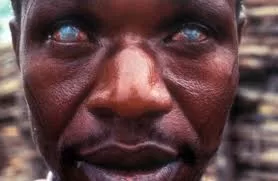
While a single infection feels similar to standard pink eye, repeated bouts over childhood lead to severe internal scarring of the eyelid. Over decades, this scarring pulls the eyelashes inward, causing a condition known as trichiasis. With every blink, the inverted eyelashes scrape against the cornea like sandpaper, causing excruciating pain, permanent scarring, and eventual, irreversible blindness.
Despite profound global progress, trachoma remains a critical public health threat in 32 countries, leaving roughly 5.6 million people at risk in the Americas alone. Worldwide, the disease is responsible for the visual impairment or complete blindness of an estimated 1.9 million people, according to the WHO.
How El Salvador Fought Back: The SAFE Strategy
El Salvador’s success relies on the strict, disciplined deployment of the WHO-endorsed SAFE strategy. Rather than relying solely on clinical interventions, this framework blends surgical and medical care with robust environmental upgrades:
-
S – Surgery: Localized surgical operations to correct trichiasis, instantly relieving pain and preventing permanent corneal blindness in adults.
-
A – Antibiotics: Mass administration of azithromycin to clear the underlying bacterial reservoir within vulnerable communities.
-
F – Facial Cleanliness: Educational programs promoting regular face-washing among children to disrupt fly-mediated transmission pathways.
-
E – Environmental Improvement: Strategic investments to increase community access to safe drinking water and basic household sanitation.
“El Salvador’s success is a vital step toward our global target of eliminating trachoma worldwide by 2030,” stated Dr. Tedros Adhanom Ghebreyesus, WHO Director-General. “It stands as a testament to the power of sustained political commitment, strategic investment, and deep community engagement.”
Uniting Medicine and Infrastructure
The country’s definitive push began in earnest in 2023 when El Salvador joined the Initiative for the Elimination of Trachoma in the Americas, a regional program spearheaded by the Pan American Health Organization (PAHO) and backed by the Government of Canada. Health authorities mapped out historical risk zones across several departments, including Cabañas, Morazán, and San Miguel, initiating rapid field assessments alongside broad primary care campaigns.
A Regional Blueprint for Disease Elimination
El Salvador’s validation represents a key milestone within PAHO’s broader regional initiative, which aims to eliminate more than 30 communicable diseases and related conditions across the Americas by 2030.
| Health Milestones & Global Progress | Data & Insights |
| Global Population at Risk (2026) | Dropped below 100 million for the first time |
| Total Countries Validated globally | 33 countries have eliminated trachoma |
| Total NTD Validations | El Salvador joins 64 nations free of at least one NTD |
| Active Regional Targets | Bolivia, Colombia, Ecuador, Guatemala, Peru, Venezuela |
“This milestone is a clear signal that a healthier, more equitable future is within reach,” noted Dr. Jarbas Barbosa, Director of PAHO. “It reflects a dedication to reaching populations living in the most vulnerable conditions, ensuring that no one is left behind.”
Independent experts agree that El Salvador’s approach offers a powerful lesson. “What El Salvador did beautifully was integrate trachoma tracking into routine public health activities,” says Dr. Elena Vance, an independent infectious disease epidemiologist not involved in the validation process. “They didn’t just run an isolated, temporary campaign. They trained local community health workers to check for eye health while delivering vaccines and testing drinking water. That is how you build a resilient health system.”
Critical Caveats: The Threat of Resurgence
While the validation is a monumental achievement, international epidemiologists emphasize that validation does not mean the Chlamydia trachomatis bacterium has been entirely eradicated from the planet. The threat of reintroduction remains a distinct possibility.
Trachoma is a disease intimately bound to socioeconomic inequities, migrating across borders seamlessly via human mobility. For instance, El Salvador shares a land border with Guatemala, where the disease remains actively endemic in certain rural pockets.
To prevent a resurgence, El Salvador’s Ministry of Health, led by Minister Francisco Alabi, has established a post-elimination surveillance infrastructure. This system includes maintaining a permanent pipeline of trained clinical personnel and keeping specialized eye care integrated into standard primary care clinics to catch and treat any isolated trichiasis cases immediately.
Practical Takeaways for Daily Eye Health
For health-conscious consumers and everyday readers, El Salvador’s victory reinforces fundamental hygiene habits that protect against a wide array of infectious eye diseases, including bacterial and viral conjunctivitis:
-
Practice Strict Facial Hygiene: Washing the face and hands frequently with clean water and soap remains the single most effective barrier against eye-seeking pathogens.
-
Avoid Sharing Personal Items: Never share towels, washcloths, pillows, or eye cosmetics, as these are primary vectors for transferring bacterial ocular infections.
-
Seek Prompt Care for Ocular Irritation: Chronic redness, discharge, or a persistent “gritty” sensation under the eyelids warrants immediate evaluation by an eye care professional to prevent long-term corneal complications.
El Salvador’s triumph shows that when a society prioritizes clean water, baseline sanitation, and accessible primary healthcare, even the oldest disease burdens can be lifted forever.
References
-
World Health Organization. “El Salvador validated by WHO as having eliminated trachoma as a public health problem.” WHO News Release, July 13, 2026. [https://www.who.int/news/item/13-07-2026-el-salvador-validated-by-who-as-having-eliminated-trachoma-as-a-public-health-problem]
Medical Disclaimer: This article is for informational purposes only and should not be considered medical advice. Always consult with qualified healthcare professionals before making any health-related decisions or changes to your treatment plan. The information presented here is based on current research and expert opinions, which may evolve as new evidence emerges.