 0
0
 0
0
GENEVA, Switzerland — In a historic move to protect the world’s most vulnerable populations from a rapidly expanding tropical threat, the World Health Organization (WHO) has published its first-ever Paediatric Drug Optimization (PADO) guidance for dengue. Announced on June 15, 2026, this groundbreaking framework establishes concrete global priorities to incentivize and accelerate the development of antiviral treatments specifically tailored for children.
For decades, clinicians treating pediatric dengue patients have been forced to rely solely on supportive therapies like fluid resuscitation and fever management. Because children have historically been excluded from early-stage clinical drug trials, no targeted antiviral therapies exist for them. This new guidance aims to shatter that paradigm, signaling to researchers, pharmaceutical developers, and global funders exactly which pediatric formulations are urgently needed to curb a rising tide of severe disease and death.
A Surging Global Threat to Young Lives
Dengue, a viral infection transmitted to humans through the bite of infected Aedes mosquitoes, has transformed from a localized tropical disease into a sweeping global health crisis. Fuelled by urbanization and shifting climate patterns, cases have surged exponentially. In 2024, the world witnessed a record-breaking epidemic, with more than 14 million reported cases and over 10,000 deaths—effectively doubling the morbidity metrics from the previous year.
While the virus inflicts a heavy toll on individuals of all ages, the data regarding pediatric infections is particularly alarming. Children under the age of 5 face the highest risk of severe complications, displaying fatality rates five times higher than adolescents aged 10 to 14.
Data from Brazil highlights the localized severity of this trend: during the first ten weeks of 2024, nearly half (44.2%) of all dengue-related fatalities among children under 14 occurred in toddlers and infants under the age of 5.
“Dengue is a growing threat to children, and silence is not an option,” said Dr. Daniel Ngamije Madandi, Director of the Department of Malaria and Neglected Tropical Diseases at WHO. “To prevent severe disease and save lives, children need access to safe, appropriate formulations and treatments designed for their needs.”
Dismantling the “Adults-First” Drug Development Gap
The traditional pipeline for infectious disease therapeutics routinely tests new chemical entities on adult cohorts, leaving pediatric formulations as a distant afterthought. The PADO-dengue exercise—convened by the WHO in partnership with the Global Accelerator for Paediatric Formulations (GAP-f) network—seeks to reverse this dynamic.
By gathering a global coalition of academic researchers, regulators, clinical experts, and product development partnerships, the resulting framework provides an explicit, market-shaping blueprint.
“Children must be considered from the beginning of dengue therapeutics development, not after products have already been designed for adults,” emphasized Dr. Meg Doherty, Director of Science for Health at the WHO. She noted that the report acts as a practical beacon for the scientific community, ensuring future pipelines build “acceptable and usable” medicines for children from day one.
Promising Candidates: The Priority and Watch Lists
At the core of the WHO guidance is a newly minted priority list identifying therapeutic candidates that justify immediate pediatric investment and clinical trial integration.
The 3-to-5-Year Horizon
A novel monoclonal antibody has been placed on the immediate PADO-dengue priority list. Due to its advanced stage of clinical maturity, researchers believe a child-friendly iteration could be viable within the next three to five years. This candidate is already being evaluated in cohorts including children from five years of age.
The Watch List
Four additional therapeutic candidates have been placed on a medium-to-long-term “watch list,” ensuring they receive continuous research monitoring and development backing.
Biomedical researchers note that the frontrunning monoclonal antibodies mirror the mechanisms of promising compounds currently moving through clinical pipelines. These include:
-
VIS513: A recombinant monoclonal antibody developed in India designed to neutralize all four distinct dengue virus serotypes (DENV-1 through DENV-4). Phase 1 trials have already demonstrated a strong safety and tolerability profile.
-
AV-1: A therapeutic candidate developed by AbViro, currently undergoing rigorous clinical evaluation via trials funded by the U.S. National Institutes of Health (NIH).
The Clinical Realities of Pediatric Dengue
Developing treatments for children requires far more than simply lowering an adult dosage. The WHO guidance emphasizes that pediatric clinical trials must account for distinct biological realities, such as variations in metabolism, childhood malnutrition, obesity, and distinct comorbidity profiles.
Furthermore, severe dengue manifests differently in children. The guidance calls for heightened clinical surveillance when young patients present with specific predictors of severe disease within the first five days of symptom onset. These physiological warning signs include:
-
Serum albumin levels drops below 35 g/L
-
Visible mucosal bleeding
-
Rapid hematocrit (red blood cell volume) shifts of 10% or greater
                       DENGUE MANAGEMENT MATRIX
┌───────────────────────────────┬────────────────────────────────────────┐
│ APPROVED INTERVENTIONS        │ DANGERS & LIMITATIONS                  │
├───────────────────────────────┼────────────────────────────────────────┤
│ Acetaminophen (Paracetamol)   │ Only manages fever/pain; no viral cure │
├───────────────────────────────┼────────────────────────────────────────┤
│ Qdenga Vaccine (TAK-003)      │ Preventive only; requires 2 doses;     │
│                               │ restricted to ages 6–16 in high areas  │
├───────────────────────────────┼────────────────────────────────────────┤
│ NSAIDs (Ibuprofen / Aspirin)  │ STRICTLY AVOIDED; drastically elevates │
│                               │ internal bleeding and hemorrhage risks │
└───────────────────────────────┴────────────────────────────────────────┘
Global Impact and Industry Responses
Independent public health organizations have rallied behind the announcement, viewing it as a long-overdue milestone for health equity in low- and middle-income countries, where dengue strains fragile healthcare infrastructure.
“DNDi welcomes the PADO report as an important step towards aligning the dengue therapeutics community around children’s needs,” stated Dr. Luis Pizarro, Executive Director of the Drugs for Neglected Diseases initiative. “By identifying priority candidates, formulation considerations, and research gaps, the report can help developers and funders focus efforts where they can have the greatest impact.”
Limitations, Challenges, and the Road Ahead
While the PADO guidance provides a vital roadmap, substantial hurdles remain on the path to bedside delivery. Clinical trials involving children face stringent ethical and logistical oversight. Furthermore, manufacturing complex biologics like monoclonal antibodies is expensive, raising critical concerns regarding whether resource-limited communities can afford these drugs once approved.
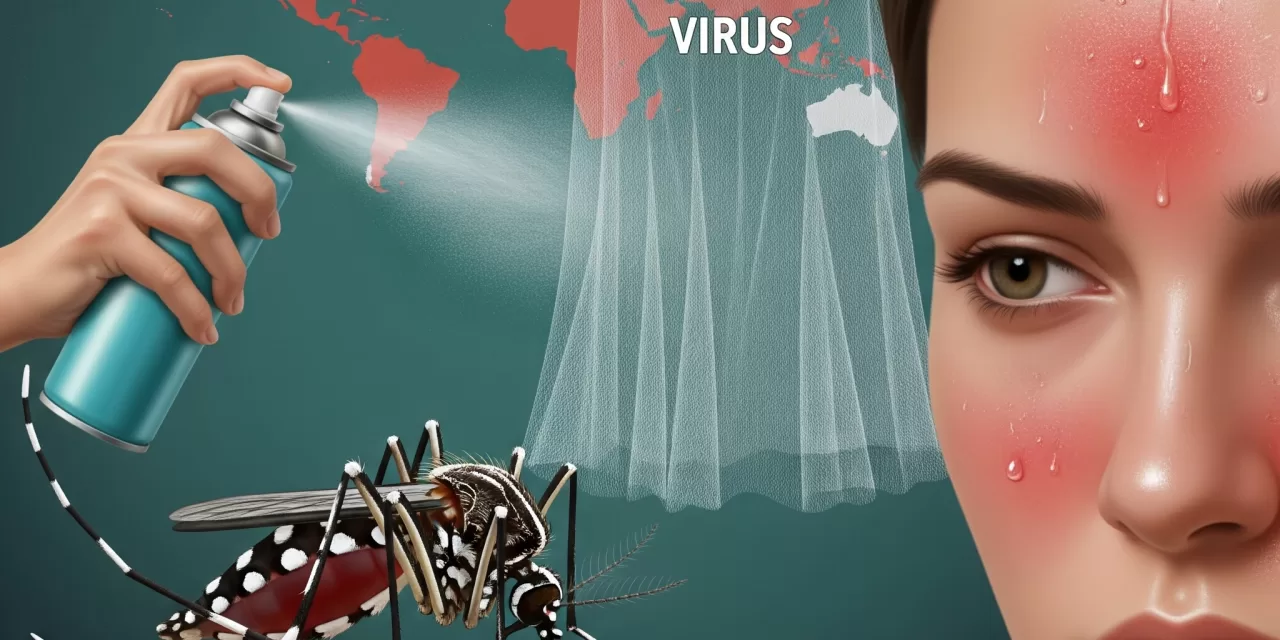
Public health experts also emphasize that a therapeutic drug is a safety net, not a cure-all. Antivirals cannot stop transmission. The global case-fatality rate for dengue hovered at 0.07% in 2024, and while expert fluid management can keep mortality below 1%, the primary line of defense remains vector control. Families are urged to continue traditional preventive measures:
-
Eliminating standing water around households to stop mosquito breeding.
-
Utilizing insecticide-treated bed nets and window screens.
-
Applying approved insect repellents and wearing protective clothing.
Ultimately, the WHO’s new guidance represents a profound shift toward proactive pediatric medicine. By forcing the scientific community to design treatments with children in mind from the very first compound synthesis, global health leaders are working to ensure that the millions of children exposed to dengue will no longer have to fight the virus unprotected.
Medical Disclaimer
Medical Disclaimer: This article is for informational purposes only and should not be considered medical advice. Always consult with qualified healthcare professionals before making any health-related decisions or changes to your treatment plan. The information presented here is based on current research and expert opinions, which may evolve as new evidence emerges.
References
Study Citations
-
World Health Organization. “WHO issues first ever guidance to advance child-focused dengue treatments.” WHO News, June 15, 2026. [URL: https://www.who.int/news/item/15-06-2026-who-issues-first-ever-guidance-to-advance-child-focused-dengue-treatments]