 0
0
 0
0
DHAKA, Bangladesh — Bangladesh is grappling with its most severe public health crisis in decades as a rampant measles outbreak has claimed the lives of more than 650 people nationwide. The Directorate General of Health Services (DGHS) confirmed four additional childhood fatalities in the last 24 hours, pushing the total death toll to 650 since the surge began on March 15. With tens of thousands of children falling ill across both rural villages and dense urban centers, health authorities alongside international agencies are racing against time to close dangerous immunity gaps that allowed the highly contagious virus to take hold.
The Alarming Scale of the Outbreak
The outbreak has reached staggering proportions across this South Asian nation of 170 million people. Latest surveillance data from the DGHS reveals that 81,084 suspected measles cases have been recorded nationwide, alongside 9,833 laboratory-confirmed cases.
The current case fatality rate stands at approximately 1.2%. While that percentage may sound low, it is significantly higher than typical measles outbreaks in settings with adequate healthcare, signaling a severe strain on local medical infrastructure and high vulnerability among infected cohorts.
The geographic footprint of the virus is vast, spanning 58 of Bangladesh’s 64 districts. While the heavily populated Dhaka Division reports the highest absolute number of cases, the southern Barisal Division has registered the highest incidence rate, climbing to 39.4 cases per million population.
Young Children Bearing the Brunt
Epidemiological reports emphasize that the crisis is overwhelmingly affecting young children. Approximately 80% of all recorded cases occur among children under five years of age. Most concerning to pediatricians are infants under two years old and babies under nine months, who are not yet old enough to receive their routine scheduled vaccinations.
According to global health data, measles transmission thrives where vaccination coverage sags, and mortality in this outbreak is heavily concentrated among unvaccinated children.
Recognizing the Symptoms
Measles is an airborne virus that spreads easily through coughing and sneezing. According to data from Johns Hopkins Medicine, symptoms typically appear 7 to 14 days after exposure. The disease progresses through distinct clinical stages:
-
Early Signs: The illness starts with a high fever (which can spike above 104°F/40°C), a hacking cough, a runny nose (coryza), and red, watery eyes (conjunctivitis).
-
Koplik Spots: Small white spots inside the mouth, resembling tiny grains of white sand on a red background, may appear a couple of days before the rash.
-
The Rash: Within three to five days of initial symptoms, a classic red maculopapular (flat and raised) rash breaks out. It begins at the hairline and face, spreading downward over the neck, trunk, arms, legs, and feet.
Anatomy of a Public Health Collapse
Public health experts stress that this deadly resurgence is a direct consequence of structural and operational disruptions to what was historically a highly successful national immunization program.
+--------------------------+-----------------------------------------------------------+
| Factor                   | Impact on the Crisis                                      |
+--------------------------+-----------------------------------------------------------+
| COVID-19 Disruptions     | Routine childhood immunization programs were severely     |
|                          | interrupted during pandemic lockdowns.                    |
+--------------------------+-----------------------------------------------------------+
| Political Instability    | Governance shifts meant no large-scale, supplementary      |
|                          | measles campaigns have been executed since 2020.          |
+--------------------------+-----------------------------------------------------------+
| Procurement Bottlenecks  | Severe supply-chain shortages left clinics without basic  |
|                          | vaccines for measles and six other childhood diseases.   |
+--------------------------+-----------------------------------------------------------+
| Plummeting Coverage      | By 2025, first-dose coverage plummeted to 56.5%, and     |
|                          | second-dose coverage dropped to 57.1%.                   |
+--------------------------+-----------------------------------------------------------+
| Childhood Malnutrition   | Persistent underlying malnutrition has lowered children's  |
|                          | immune resistance, compounding severe infection risks.    |
+--------------------------+-----------------------------------------------------------+
Political finger-pointing has accompanied the unfolding tragedy. Speaking in Parliament, Health Minister Sardar Mohammed Sakhawat Husain attributed the crisis to the “mismanagement and failures of past governments.” He specifically cited systemic failures to maintain adequate vaccine stockpiles by both the ousted government of former Prime Minister Sheikh Hasina and the subsequent interim government led by Muhammad Yunus.
“This resurgence highlights critical immunity gaps, particularly among zero-dose and under-vaccinated children,” noted Rana Flowers, UNICEF representative to Bangladesh. “Infections among infants under nine months, who are not yet eligible for routine vaccination, are especially alarming.”
Why Measles Kills: Complications and Lethality
Measles is frequently misunderstood as a mild, temporary childhood rash, but medical experts warn it is a systemic infection that temporarily wipes out immune memory, leaving children intensely vulnerable to secondary complications.
According to the U.S. Centers for Disease Control and Prevention (CDC), roughly one to three out of every 1,000 children infected with measles will die from respiratory or neurological complications. In areas with high rates of malnutrition, particularly vitamin A deficiency, the prognosis is far worse.
Data from Médecins Sans Frontières (Doctors Without Borders) indicates that most measles-related fatalities are caused by secondary infections. The most common immediate causes of death in the Bangladesh outbreak are severe pneumonia and acute diarrhea leading to dehydration.
Other serious complications include:
-
Respiratory: Otitis media (severe middle ear infections) and laryngotracheobronchitis (croup).
-
Ocular: Keratitis and xerophthalmia, severe corneal ulcerations that can lead to permanent blindness.
-
Neurological: Febrile seizures due to high fever, and acute encephalitis (brain swelling), which occurs in roughly 1 out of every 1,000 cases and can leave survivors with permanent brain damage or hearing loss.
Emergency Mobilization on the Ground
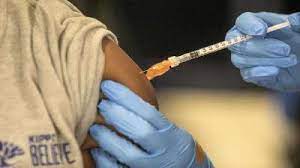
Faced with a rapidly expanding disaster, the government of Bangladesh has launched a massive emergency vaccination blitz with support from the World Health Organization (WHO), UNICEF, and Gavi, the Vaccine Alliance.
The emergency response structure shifted into high gear with a series of phased containment steps:
“Timely and sustained implementation of vaccination measures will be critical to interrupt transmission, protect vulnerable children, and prevent further spread within Bangladesh and across the region,” stated Dr. Vinod Bura, Regional Advisor at WHO South-East Asia.
Data Ambiguities and Hurdles ahead
Despite aggressive interventions, public health workers face steep uphill battles. A primary concern is data ambiguity regarding the actual mortality burden. While suspected measles-related deaths have climbed to 519, only 91 deaths have been officially confirmed via laboratory testing. This gap highlights a stretched diagnostic infrastructure, making it difficult for epidemiologists to map the virus’s precise lethality in real time.
Furthermore, high population mobility during recent festive seasons has accelerated cross-district transmission. Health officials also warn of a persistent risk of cross-border spread into neighboring countries within the South-East Asia Region if regional surveillance is not tightened.
A Global Warning Sign
For the international community, the unfolding disaster in Bangladesh serves as a stark reminder of how quickly a forgotten disease can return with lethal force. UNICEF has characterized the crisis as a global “wake-up call,” illustrating that even nations with historically stellar immunization tracks are vulnerable to catastrophic resurgences if coverage drops below critical thresholds.
To maintain herd immunity and completely halt measles transmission, the WHO mandates a 95% vaccination coverage rate with a two-dose regimen. The standard measles vaccine—whether administered alone or via combination shots like Measles-Rubella (MR) or Measles, Mumps, and Rubella (MMR)—is exceptionally powerful. According to CDC data, two doses are 97% effective at preventing the disease, and that protection lasts for decades.
For families and health systems globally, the takeaways from the crisis in Dhaka are clear: routine health tracking must be safeguarded against political and social upheavals, early symptoms must be flagged immediately, and childhood immunization remains an indispensable shield against entirely preventable deaths.
Medical Disclaimer
This article is for informational purposes only and should not be considered medical advice. Always consult with qualified healthcare professionals before making any health-related decisions or changes to your treatment plan. The information presented here is based on current research and expert opinions, which may evolve as new evidence emerges.
References
-
India Tribune / IANS. “Bangladesh measles outbreak claims four more lives; death toll crosses 650.” Wire service update published June 14, 2026.