 0
0
 0
0
GENEVA – Marking a somber ten-year milestone, the heads of the world’s leading humanitarian and health organizations issued a rare joint ultimatum on May 4, 2026, demanding that global powers transition from “empty rhetoric” to “concrete action” to protect medical care in war zones.
The leaders of the International Committee of the Red Cross (ICRC), the World Health Organization (WHO), and Médecins Sans Frontières (MSF) gathered in Geneva to address the failure of UN Security Council Resolution 2286. Adopted unanimously a decade ago, the resolution was intended to shield hospitals, ambulances, and medical personnel from the ravages of armed conflict. Instead, the leaders reported that the situation has deteriorated, describing the current landscape as a “crisis of humanity.”
A Resolution Without Results
When Resolution 2286 was passed in 2016, it was hailed as a landmark commitment to International Humanitarian Law (IHL). It “demanded” that all parties in conflict ensure the safety of medical professionals and facilities.
However, the 2026 joint statement paints a starkly different reality. In the last decade, high-profile conflicts across multiple continents have seen hospitals targeted by airstrikes, medical convoys intercepted, and doctors prosecuted for treating “enemy” patients.
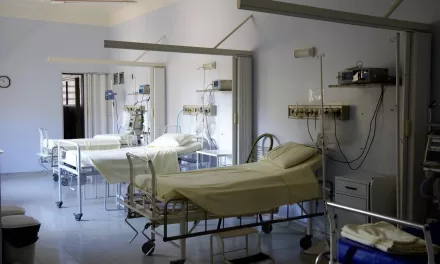
“Today, we mark not an achievement—we mark a failure,” the leaders stated. “Hospitals are reduced to rubble, ambulances face delays and obstruction, and patients die from otherwise treatable wounds.”
The Human Cost in Numbers
While specific data for 2026 is still being compiled, the WHO’s Surveillance System for Attacks on Health Care (SSA) has tracked a steady climb in violence over the last several years.
-
Widespread Destruction: In recent major conflicts, up to 70% of healthcare infrastructure in active war zones has been reported as damaged or non-functional.
-
The “Silent” Killers: Beyond direct trauma deaths, the destruction of healthcare leads to a secondary surge in mortality from chronic diseases, maternal complications, and preventable infections.
-
Healthcare Flight: In areas of protracted conflict, an estimated 50–80% of qualified medical staff often flee the country, leaving behind a “medical vacuum” that takes decades to repair.
Understanding International Humanitarian Law (IHL)
At the heart of this crisis is the erosion of “medical neutrality”—the principle that healthcare must be provided based on need alone, regardless of political or military affiliation.
Under the Geneva Conventions, hospitals and medical personnel are granted “protected status.” This means they cannot be targeted unless they are being used to commit “acts harmful to the enemy” outside of their humanitarian function. Even then, strict warnings and evacuation periods are required.
The leaders argue that the current violence is not a failure of these laws, but a “failure of political will” to enforce them.
Expert Perspectives: The Ripple Effect on Global Health
Public health experts warn that the targeting of healthcare is not just a local humanitarian issue; it is a global security threat.
“When you bomb a hospital, you aren’t just killing the people inside that building today,” says Dr. Elena Vance, a senior fellow at the Institute for Global Health Security (not affiliated with the joint statement). “You are effectively destroying the community’s immune system. Vaccination campaigns stop, which leads to polio or measles outbreaks that can cross borders. Disease doesn’t respect the front lines of a war.”
Dr. Vance notes that the psychological impact on healthcare workers—who must choose between their duty to patients and their own survival—is leading to a global shortage of providers willing to work in high-risk areas.
A Seven-Point Roadmap for Survival
The joint statement from the ICRC, WHO, and MSF outlines a specific “actionable roadmap” for states to reverse this trend. The leaders are calling on world powers to:
-
Translate Commitments to Action: Move beyond symbolic votes and implement the recommendations of the UN Secretary-General.
-
Military Integration: Incorporate the protection of healthcare into the actual “rules of engagement” and training manuals of national armies.
-
Domestic Legislation: Strengthen national laws to ensure that medical workers are not criminalized for performing their duties.
-
Resource Allocation: Provide the financial and technical means to reinforce hospital safety and medical transport.
-
Diplomatic Pressure: Use all political leverage to ensure that allies and proxy forces also respect medical neutrality.
-
Accountability: Conduct transparent, impartial investigations into every attack on a medical facility.
-
Transparent Reporting: Regularly report progress and failures in implementing Resolution 2286 to the international community.
What This Means for the Global Citizen
For the general public, the “sanctity of healthcare” may feel like an abstract diplomatic concept. However, the ICRC and WHO emphasize that these norms are what prevent modern warfare from regressing into total, unrestrained barbarism.
“When hospitals become targets, the very foundation of civilization is at risk,” the statement warns. For health-conscious consumers, this advocacy highlights the fragility of the systems that provide medicines, vaccines, and emergency care globally.
The call to action serves as a reminder that healthcare is a universal right that requires active protection, even—and especially—in the world’s darkest moments.
Reference Section
Primary Source:
-
Joint Statement: ICRC, WHO, and MSF. “Joint call to uphold and strengthen the protection of medical care in armed conflict.” Geneva, May 4, 2026.
Medical Disclaimer: This article is for informational purposes only and should not be considered medical advice. Always consult with qualified healthcare professionals before making any health-related decisions or changes to your treatment plan. The information presented here is based on current research and expert opinions, which may evolve as new evidence emerges.