 0
0
 0
0

About WHHD 2026
Each year, since 2009, the SAVE LIVES: Clean Your Hands campaign aims to progress the goal of maintaining a global profile on the importance of hand hygiene and infection prevention and control in health care and to ‘bring people together’ in support of improvement globally.
The 2026 campaign – 18 years of SAVE LIVES: Clean Your Hands
A large proportion of avoidable infections acquired during health care delivery could still be prevented with hand hygiene and infection prevention and control (IPC) action at the right times. This provides a high return on investment for health systems and countries. In this 18th year of the WHO world hand hygiene day, we call on those providing and supporting health care to refresh their action on hand hygiene and IPC to ensure patient and health worker safety.
2026 SAVE LIVES: Clean Your Hands slogan – Action saves lives.
Health care-associated infections (HAIs) affect health systems every day and are a daily threat to patients in every health care setting, including during public health emergencies. They contribute to the antimicrobial resistance (AMR) burden, cause immense suffering to patients, families and health workers, premature deaths and disability, higher health care costs and hamper efforts to achieve high-quality care for all.
Hand hygiene and IPC best practices are also affected by the built environment including lack of water, sanitation, waste management and hygiene (WASH), which also impact equity and dignity among both those providing and receiving care.
In 2026 IPC action including hand hygiene, is critical now more than ever.
Objectives of WHHD 2026
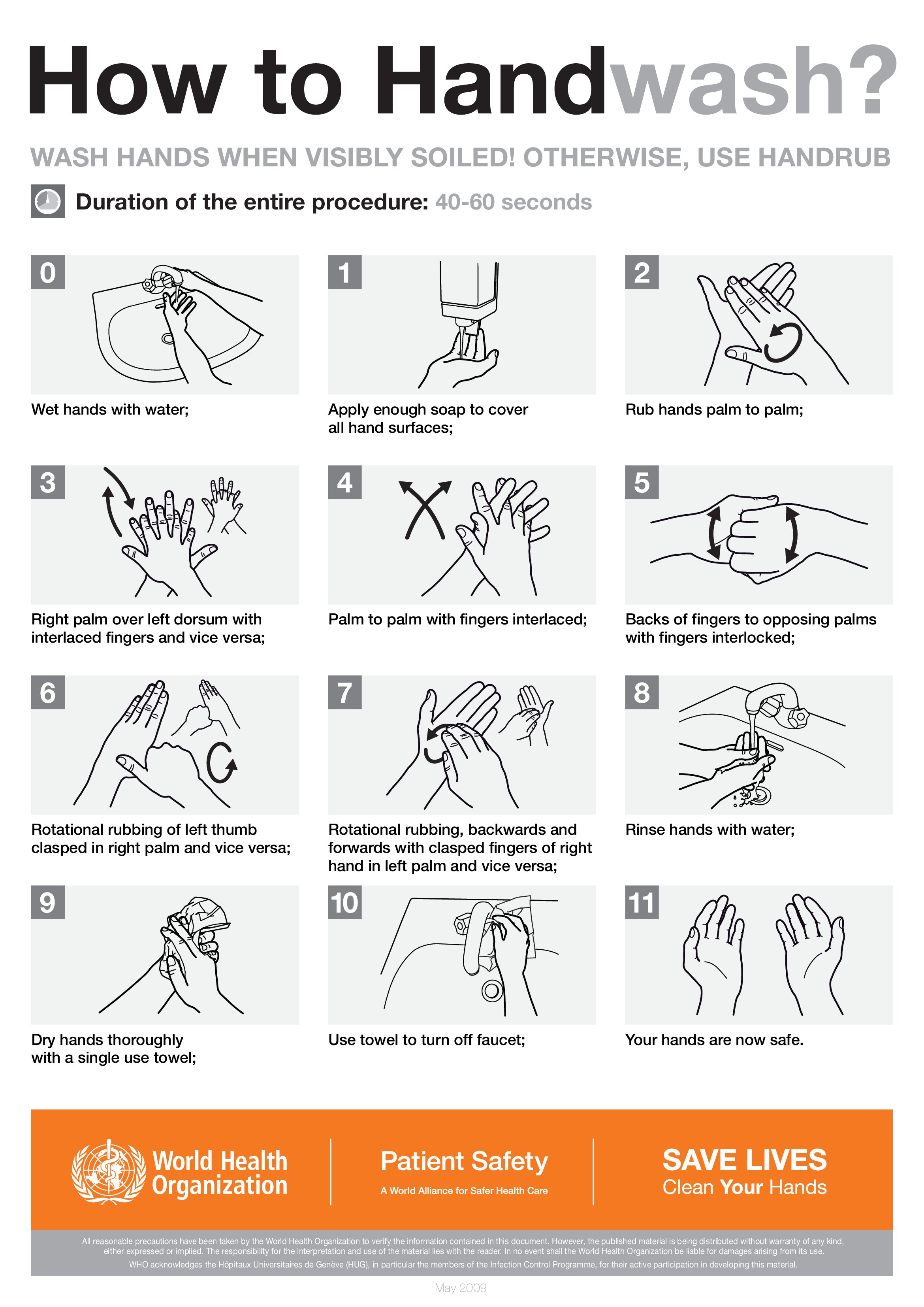
- Promote optimal hand hygiene practices (using the appropriate technique and according to the WHO 5 Moments) within the health care workflow.
- Promote inclusion of hand hygiene within national IPC action plans, as well as standard operating procedures (SOPs) at facility level, according to the recommendations of the WHO Global action plan and monitoring framework indicators and targets to be achieved incrementally by 2030.
- Raise awareness that one of the WHO global action plan and monitoring framework indicators on IPC is hand hygiene compliance monitoring and feedback, to be established as a key national indicator, at the very least in all reference hospitals by 2026.
- Encourage countries to act to improve IPC, including hand hygiene, as outlined by WHO.
5 May World Hand Hygiene Day: Action saves lives!
For World Hand Hygiene Day 2026, WHO calls on all those providing and supporting health care to refresh their action on hand hygiene and infection prevention and control (IPC), to ensure patient and health worker safety.
A substantial proportion of avoidable infections acquired during health care delivery could be prevented if hand hygiene and IPC action were taken at the correct times. Such action provides a high return on investment within health system expenditure and a significant positive effect on health outcomes for countries.
This session aims to highlight the importance of taking action to improve hand hygiene and IPC in health care and examples of global advancement.
OBJECTIVES:
- To promote inclusion of hand hygiene within national IPC action plans, as well as standard operating procedures at facility level
- To raise awareness about the WHO global action plan and monitoring framework indicator on hand hygiene compliance monitoring and feedback
- To highlight examples of IPC and hand hygiene improvements and encourage country action.