 0
0
 0
0
NEW YORK — Three decades ago, a small, foil-wrapped packet of enriched peanut paste quietly changed how the world treats the most lethal form of childhood malnutrition. Today, that simple product, known as Ready-to-Use Therapeutic Food (RUTF), has helped pull millions of severely wasted children back from the brink of death. However, as global health leaders mark the 30th anniversary of this medical milestone, a sobering reality remains: more than 12 million children under the age of five still lack access to this life-saving treatment.
In a joint briefing on May 5, 2026, UNICEF, the World Health Organization (WHO), and various humanitarian groups celebrated the progress made in child survival while issuing a stark warning. Famines, climate-driven shocks, armed conflict, and shrinking international aid budgets are threatening to undo thirty years of gains. For healthcare professionals and policymakers, the anniversary serves as both a testament to human innovation and an urgent call to stabilize financing for global nutrition.
The Science of the “Miracle Paste”
To the untrained eye, RUTF looks like ordinary peanut butter. To a clinician, it is a precisely engineered medical intervention. RUTF is an energy-dense, peanut-based paste fortified with milk powder, vegetable oil, sugar, and a comprehensive blend of essential vitamins and minerals.
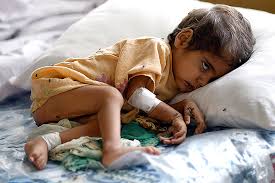
It is specifically formulated for children aged 6 to 59 months suffering from Severe Acute Malnutrition (SAM), also known as severe wasting. Wasting is a condition where a child is dangerously thin for their height, resulting in a weakened immune system and a risk of death roughly 12 times higher than that of their well-nourished peers.
Key Advantages of RUTF:
-
No Water Required: Unlike traditional milk-based formulas, RUTF is eaten straight from the sachet. This eliminates the need for clean water—a scarce resource in crisis zones—and prevents the spread of waterborne illnesses like cholera.
-
Shelf Stability: With a shelf life of up to 24 months and no need for refrigeration, the packets can be stored in tropical heat and transported to the most remote corners of the globe.
-
Caloric Density: Each 92-gram sachet delivers approximately 500 calories, providing the massive energy boost required for rapid weight gain and organ recovery.
A Paradigm Shift: From Hospitals to Homes
Before the mid-1990s, treating severe wasting was an arduous process. Children had to be admitted to therapeutic feeding centers or hospitals to receive specialized milk formulas (F-75 and F-100). This required parents to stay with their children for weeks, often abandoning their livelihoods and other children at home.
The introduction of Community-based Management of Acute Malnutrition (CMAM) in 1996, centered around RUTF, revolutionized the field. It allowed children without medical complications—such as shock or severe infection—to be treated at home.
“RUTF has fundamentally altered our approach to treating children with severe malnutrition,” said Catherine Russell, Executive Director of UNICEF, in a recent statement. “I have witnessed the transformation of children suffering from wasting as they respond to RUTF treatment. No child should perish from malnutrition in a world abundant with resources.”
The data supports this optimism. When administered according to a structured protocol, RUTF can achieve recovery rates close to 90%. In 2025 alone, UNICEF and its partners screened millions of children, providing treatment to over 9 million youngsters.
The Gap: 12 Million Children Left Behind
Despite the distribution of roughly 8 billion sachets since 2003, the global supply remains insufficient. UNICEF remains the world’s largest purchaser, but in 2025, the global supply of RUTF met less than half of the estimated need.
In high-burden countries like Ethiopia, which has received over 1.6 billion sachets valued at $296 million, the impact is visible. Yet, Save the Children estimates that at least 110,000 severely malnourished children across 10 high-burden nations are currently at risk of missing treatment due to funding shortfalls.
Why does the gap persist?
-
Supply and Cost: RUTF is more expensive than routine fortified foods. Production is also concentrated among a limited number of specialized suppliers, making the supply chain vulnerable.
-
Infrastructure and Conflict: In war-torn regions, damaged clinics and displacement make it nearly impossible for community health workers to identify and reach “wasted” children.
-
Economic Pressures: As global aid budgets tighten, nutrition programs are often the first to face cuts. A 2025 analysis by Save the Children warned that therapeutic food shortages are imminent in several regions.
Expert Perspective: Not a “Magic Bullet”
While RUTF is highly effective, medical experts caution against viewing it as a standalone solution to the global hunger crisis.
Dr. Agnes Binagwaho, former Minister of Health of Rwanda and a global health professor at Boston University, emphasized that while RUTF prevents death, it does not address the root causes of malnutrition. “RUTF is not a magic bullet, but without it, we are going backwards in the fight against child mortality,” she noted.
Dr. Binagwaho argues that RUTF must be integrated into a “continuum of care” that includes early detection, primary health services, and social safety nets for vulnerable families.
Implications for Public Health and the General Public
For readers in regions like South Asia, including India, where wasting remains a significant public health challenge, the RUTF story is highly relevant. While India has made strides in developing locally adapted therapeutic foods (LUTF), the core principles remain the same: early detection is life-saving.
What Consumers Should Know:
-
Not a Supplement: RUTF is a medical-grade treatment for a specific condition (SAM). It is not intended for healthy children or as a general dietary supplement.
-
Early Warning Signs: For families, monitoring a child’s growth is vital. If a child appears unusually thin, lethargic, or loses their appetite, immediate referral to a healthcare provider is necessary.
-
Beyond the Packet: Long-term child health depends on breastfeeding promotion, access to safe sanitation, and the timely treatment of childhood infections like diarrhea, which can trigger rapid weight loss.
The Future: Innovation and Local Production
The next 30 years of malnutrition treatment will likely look different. Research is currently underway to develop peanut-free formulations for children with allergies and plant-protein-based options to lower costs.
There is also a growing movement to decentralize production. By manufacturing RUTF within the countries where it is most needed, organizations can reduce shipping costs, support local economies, and ensure a more stable supply.
As we look toward the future, the goal is clear: ensuring that the “miracle paste” is no longer a luxury of aid budgets, but a guaranteed right for every child whose life depends on it.
Medical Disclaimer: This article is for informational purposes only and should not be considered medical advice. Always consult with qualified healthcare professionals before making any health-related decisions or changes to your treatment plan. The information presented here is based on current research and expert opinions, which may evolve as new evidence emerges.
References
Journal & Organizational Reports:
-
UNICEF. “Fast facts: 30 years of life-saving therapeutic food for children, yet millions more still need it.” News release, 5 May 2026. [ReliefWeb]