 0
0
 0
0
ISLAMABAD — A silent neurotoxin is sweeping through Pakistan’s industrial heartlands, threatening the cognitive and physical future of millions of children. A landmark joint study released in late April 2026 by UNICEF and Pakistan’s Ministry of National Health Services has uncovered a staggering public health crisis: 40% of children aged 12 to 36 months in high-risk urban areas have detectable levels of lead in their blood.
The report, which surveyed over 2,100 children across seven major industrial zones, paints a grim picture of environmental neglect. While the nation grapples with economic instability and the lingering effects of climate-driven disasters, health experts warn that the “invisible” threat of lead poisoning may be the country’s most expensive oversight, potentially draining 6% to 8% of the national GDP annually through lost productivity and healthcare costs.
Mapping the Crisis: From Islamabad to Hattar
The geographic disparity of the findings highlights a direct link between industrial regulation and child safety. In the capital city of Islamabad, where environmental oversight is comparatively stringent, only 1% of children tested showed elevated blood lead levels (BLLs). However, in the industrial hub of Hattar, Haripur—a region dense with unregulated battery recycling plants—the figure skyrocketed to a harrowing 88%.
Other major cities, including Lahore, Karachi, Peshawar, Quetta, and Rawalpindi, also showed significant clusters of exposure.
“Lead affects every system in the body, but its impact on developing brains can be devastating and lifelong,” said Pernille Ironside, UNICEF Representative, during the report’s launch. “There is no safe level of exposure to lead for children. The harm we are seeing in these toddlers is, in many cases, irreversible.”
The Biological Toll: Why Toddlers?
Children are uniquely vulnerable to lead for two primary reasons: physiology and behavior. Biologically, children absorb lead at a rate five times higher than adults. Behaviorally, the “hand-to-mouth” stage of development—typical for children aged 12-36 months—means they frequently ingest contaminated dust and soil.
Once lead enters the bloodstream, it mimics calcium, allowing it to cross the blood-brain barrier. The consequences are profound:
-
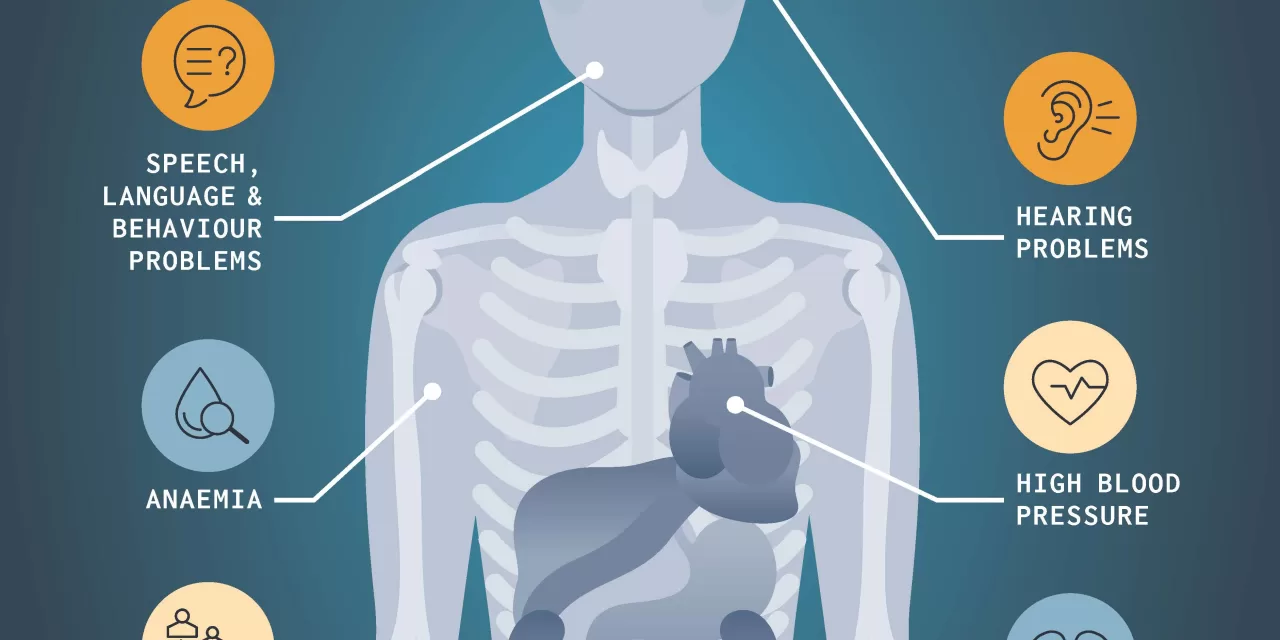
Neurological: Permanent reduction in IQ, shorter attention spans, memory impairment, and increased rates of hyperactivity and behavioral disorders.
-
Physical: Stunted growth, chronic anemia, and weakened immune systems.
-
Long-term: Increased risk of kidney damage and cardiovascular disease in adulthood.
“Lead poisoning is one of the most preventable threats to child health,” noted Abdullah Fadil, Director of the Partnership for a Lead-Free Future. “The evidence is clear that it has lifelong consequences for learning and productivity. We aren’t just looking at a health crisis; we are looking at an economic one.”
Sources of Exposure: Beyond Industrial Waste
While industrial emissions and informal battery recycling are the primary drivers in hotspots like Hattar, the study identifies several “hidden” sources of lead that permeate Pakistani households:
-
Leaded Paint: Many older homes and low-cost pigments used in toys still contain high concentrations of lead.
-
Contaminated Spices: In some markets, lead chromate is added to spices like turmeric to enhance color.
-
Traditional Cosmetics: Surma (kohl), often used on infants’ eyes, frequently contains high lead content.
-
Glazed Pottery: Improperly fired lead-glazed ceramics can leach toxins into food and water.
Governance Gaps and the “Patchy” Response
The crisis is compounded by a fragmented regulatory landscape. Following the 18th Amendment, which decentralized health governance to the provinces, enforcement of environmental standards has become inconsistent.
Health Secretary Muhammad Aslam Ghauri acknowledged the urgency of the situation. “Protecting children from lead exposure is a national public health priority,” Ghauri stated. “The Government of Pakistan is committed to strengthening surveillance and integrating prevention into child health programs nationwide.”
Despite these promises, critics argue that the response remains “patchy.” Private clinics, where many urban families seek care, are often excluded from national data collection, and there is currently no unified Public Health Act to mandate screening. Political instability and the prioritization of immediate economic concerns often sideline long-term environmental health initiatives.
Public Health Implications and Practical Advice
For healthcare professionals, the study suggests a shift in protocol. Experts from Aga Khan University are calling for routine BLL screening in high-risk zones. In severe cases (BLL $> 45$ µg/dL), chelation therapy—a medical procedure that uses compounds to remove heavy metals from the body—may be necessary, though prevention remains the only true cure.
For the general public, experts recommend several immediate steps:
-
Nutrition: Diets rich in calcium, iron, and Vitamin C can help block the absorption of lead in the gut.
-
Hygiene: Frequent handwashing and wet-mopping floors can reduce the ingestion of lead-contaminated dust.
-
Consumer Awareness: Avoid using surma on children and purchase paints labeled as “lead-free.”
-
Spices: Buy whole spices and grind them at home to avoid adulterated powders.
The Path Forward
Success stories from neighboring countries offer a roadmap. Bangladesh, for instance, saw a dramatic reduction in childhood lead levels after strictly enforcing a ban on leaded paints and regulating battery recycling.
Pakistan’s Ministry of Health has announced a broader survey for late 2026 to assess lead levels in pregnant women, as lead can cross the placenta and affect fetal development. However, without a multi-sector task force involving the WHO, UNICEF, and provincial EPA authorities, the “national priority” may remain a goal rather than a reality.
The stakes could not be higher. If left unaddressed, the lead crisis threatens to impair the cognitive potential of a generation, trapping millions in a cycle of poverty and reduced capability.
Medical Disclaimer: This article is for informational purposes only and should not be considered medical advice. Always consult with qualified healthcare professionals before making any health-related decisions or changes to your treatment plan. The information presented here is based on current research and expert opinions, which may evolve as new evidence emerges.
References
- https://tennews.in/pakistan-staring-at-health-emergency-but-govts-monitoring-remains-inconsistent-report/