 0
0
 0
0
WARANGAL, Telangana — In a decisive move against institutionalized harassment, Kakatiya Medical College (KMC) has suspended seven third-year MBBS students following a formal inquiry into allegations of ragging. The disciplinary action, announced between April 8 and 10, 2026, includes a six-month suspension from all academic activities and permanent expulsion from the college hostel for the duration of their course.
The incident, which reportedly took place on March 29, came to light after second-year students bypassed traditional silence to file formal complaints through national oversight bodies. The case has reignited a critical conversation about the psychological toll of “initiation rituals” in medical education and the public health implications of hostile learning environments.
The Investigation: A Violation of Professional Conduct
The confrontation occurred on a boys’ hostel terrace, where the seven senior students allegedly summoned their juniors, forced them to kneel for extended periods, and subjected them to verbal abuse.
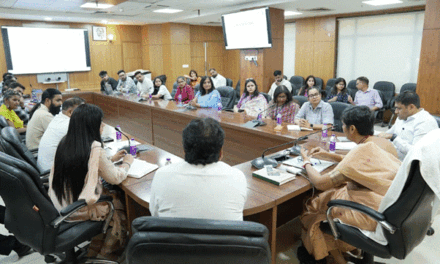
Following the complaint, KMC Principal Dr. Sandhya Sunkaraneni convened the college’s anti-ragging committee. According to official statements, the accused students were summoned to explain the charges but were ultimately found guilty after a detailed internal inquiry.
“The institution maintains a zero-tolerance policy regarding such behavior,” Dr. Sunkaraneni told reporters, emphasizing that the six-month academic suspension serves as a rigorous deterrent.
Why It Matters: The Psychological Anatomy of Ragging
While often dismissed by perpetrators as “harmless tradition,” medical experts and global health organizations categorize ragging as a specific form of interpersonal violence. The power imbalance inherent in these interactions can lead to severe psychological sequelae.
The Mental Health Toll
According to a 2025 review published in PMC/NIH, bullying and coerced humiliation are directly associated with:
-
Acute Anxiety and Depression: Persistent fear of the next encounter.
-
Sleep Disturbances: Insomnia often linked to the nighttime nature of hostel “sessions.”
-
Self-Harm and Suicidal Ideation: In extreme cases, the sense of isolation and loss of dignity becomes overwhelming.
“In the high-pressure environment of medical school, where students are already managing significant cognitive loads, the addition of social trauma is devastating,” says Dr. Arvin Mehta, a consultant psychiatrist not involved in the KMC case. “It creates a culture of fear that suppresses the very empathy we expect doctors to show their patients.”
The “Hidden Curriculum” and Public Health
The impact of ragging extends beyond the immediate victims; it affects the broader healthcare ecosystem. When humiliation is normalized during training, it risks becoming part of the “hidden curriculum”—the unwritten rules of how doctors interact with those “below” them in the hierarchy, including nurses and patients.
Key Risks to Professional Development:
-
Impaired Concentration: Chronic stress from harassment leads to lower academic performance and reduced clinical focus.
-
Erosion of Teamwork: Medical practice relies on collaborative trust. Ragging fractures the bond between future colleagues.
-
Substance Use: Research by UNESCO links campus violence to increased rates of substance abuse as a maladaptive coping mechanism.
Institutional Responsibility and the Law
In India, the National Medical Commission (NMC) and the University Grants Commission (UGC) have established stringent “Prevention of Ragging Regulations.” These rules are not merely suggestions; they mandate that institutions take immediate action or face their own penalties, such as the withdrawal of affiliation or loss of funding.
The fact that the KMC students utilized the National Anti-Ragging Helpline (1800-180-5522) is being viewed by experts as a success of the system. By involving the UGC and police authorities early, the victims ensured that the incident could not be “settled” internally without consequence.
Limitations and Context
While the disciplinary action at KMC is swift, some legal experts urge a balanced view. The current findings are the result of an internal administrative inquiry, not a criminal court verdict. While the college has found sufficient evidence for suspension, the accused maintain certain rights to appeal the decision through academic channels.
Furthermore, while this case highlights a failure in student conduct, it also showcases a success in institutional response. Many medical colleges have successfully moved toward “freshers’ parties” and mentorship programs that replace hazing with healthy integration.
Moving Forward: Prevention Over Reaction
Public health specialists argue that while suspension is necessary, it is a reactive measure. To truly eliminate ragging, institutions must focus on:
-
Confidential Reporting: Ensuring students can report abuse without fear of retaliation by seniors or faculty.
-
Psychological Support: Providing robust mental health services for both victims and perpetrators to address the roots of aggressive behavior.
-
Mandatory Sensitivity Training: Shifting campus culture through consistent education on professional ethics and empathy.
For parents and students entering the medical field, the KMC case serves as a reminder: the path to becoming a healer should never begin with being a victim.
Quality Checklist & Fact-Check
- https://medicaldialogues.in/news/education/medical-colleges/forced-to-kneel-abused-7-katatiya-medical-college-mbbs-students-suspended-for-ragging-168361
Medical Disclaimer: This article is for informational purposes only and should not be considered medical advice. Always consult with qualified healthcare professionals before making any health-related decisions or changes to your treatment plan. The information presented here is based on current research and expert opinions, which may evolve as new evidence emerges.