 0
0
 0
0
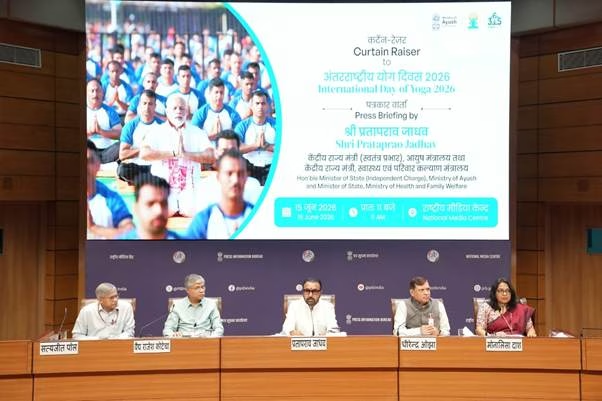
KOLKATA, INDIA — In a major push toward integrating traditional wellness with modern geriatric care, the Indian Ministry of Ayush announced that the 12th International Day of Yoga (IDY 2026) will focus on the theme “Yoga for Healthy Ageing.”
The global movement will culminate on June 21, 2026, with Prime Minister Narendra Modi leading a massive national demonstration on Kolkata’s historic Red Road.
The announcement, made during a curtain-raiser press conference in New Delhi on June 15 by Union Minister Shri Prataprao Jadhav, arrives on the heels of a new Guinness World Record. On June 14, more than 400,000 participants joined a simultaneous, nationwide live yoga session, signaling immense public momentum.
With events planned across 2,500 international locations via 210 Indian Missions abroad, the 2026 initiative aims to reframe yoga not merely as a fitness trend, but as a critical, accessible strategy for global public health.
The Shift from Lifespan to Healthspan
“Across the world, people are living longer than ever before,” Minister Jadhav told reporters. “The real challenge, however, is to ensure that these added years are healthy, active, independent, and meaningful.”
This distinction between lifespan (the number of years a person lives) and healthspan (the number of years lived free from chronic disease and disability) is a primary concern for international health authorities. According to data from the World Health Organization (WHO), by 2030, one in six people worldwide will be aged 60 or over. By 2050, that number will double to 2.1 billion.
The focus on healthy ageing addresses a looming global health crisis: the rise of age-related non-communicable diseases, cognitive decline, and physical frailty. Medical experts note that conventional healthcare systems are heavily burdened by chronic disease management, prompting a necessary pivot toward preventative and lifestyle-based medicine.
What the Science Says: Yoga’s Geriatric Medicine Potential
While yoga has been practiced for millennia, modern clinical research increasingly validates its systemic benefits for older adults. Unlike high-impact exercises, yoga can be easily modified for individuals experiencing age-related physical limitations.
                  ┌────────────────────────────────────────┐
                  │      YOGA'S MEDICINAL BENEFITS         │
                  └───────────────────┬────────────────────┘
                                      │
         ┌────────────────────────────┼────────────────────────────┐
         ▼                            ▼                            ▼
┌──────────────────┐        ┌──────────────────┐        ┌──────────────────┐
│ PHYSICAL HEALTH  │        │  MENTAL HEALTH   │        │ COGNITIVE HEALTH │
├──────────────────┤        ├──────────────────┤        ├──────────────────┤
│ • Balance        │        │ • Lowers Cortisol│        │ • Cortical       │
│ • Flexibility    │        │ • Reduces Anxiety│        │   Thickness      │
│ • Cellular Aging │        │ • Better Sleep   │        │ • Memory Retention│
└──────────────────┘        └──────────────────┘        └──────────────────┘
1. Fall Prevention and Musculoskeletal Health
Falls are the leading cause of injury-related hospitalizations among adults aged 65 and older. A comprehensive systematic review published in the Journal of Clinical Medicine demonstrated that structured yoga interventions significantly improve balance, lower-body strength, and flexibility in older populations. By strengthening stabilizing muscles and enhancing proprioception (the body’s ability to perceive its position in space), yoga serves as a highly effective, low-cost intervention for fall prevention.
2. Cellular and Inflammatory Mitigation
Chronic, low-grade inflammation—often termed “inflammaging”—is a hallmark of the biological ageing process and a driver of conditions like cardiovascular disease and osteoarthritis. Research published in Translational Psychiatry evaluated the effects of yoga and meditation on cellular longevity. The study found that individuals practicing yoga exhibited a significant down-regulation of pro-inflammatory genes and an increase in biomarkers associated with cellular repair and stress resilience.
3. Cognitive Preservation and Mental Well-being
As the global prevalence of Alzheimer’s disease and related dementias rises, alternative methods for preserving cognitive function are highly sought after. Neuroimaging studies published in Frontiers in Human Neuroscience reveal that regular yoga practice is associated with increased cortical thickness and gray matter volume in brain regions responsible for memory, attention, and emotional regulation, such as the prefrontal cortex and hippocampus. Furthermore, by down-regulating the sympathetic nervous system (“fight-or-flight” response) and activating the parasympathetic system, yoga consistently reduces cortisol levels, mitigating late-life anxiety and depression.
Expert Perspectives: A Balanced View
Independent medical professionals view the growing institutional integration of yoga as a positive step, provided it complements rather than replaces established medical protocols.
Dr. Arlene Richardson, a geriatric medicine specialist based in Edinburgh (who was not involved in the Ayush event), emphasizes the balance between tradition and standard care:
“Yoga provides an excellent, multi-modal exercise regimen that addresses balance, breathing, and mental clarity simultaneously—something few single interventions can achieve. However, it must be approached safely. Older adults, particularly those with pre-existing conditions like severe osteoporosis, advanced osteoarthritis, or cardiovascular vulnerabilities, should avoid extreme spinal extensions or inversions. The key to ‘Yoga for Healthy Ageing’ is adaptation.”
Public health policy experts also point out that while a mass movement builds awareness, true public health integration requires sustained, grassroots infrastructure.
“One-day global events are fantastic for visibility,” says Dr. Richardson. “But to genuinely impact geriatric health outcomes, we need community-based, accessible classes tailored specifically for older adults, taught by instructors trained in medical modifications.”
From Gangotri to Kolkata: A Multidisciplinary Approach
The lead-up to the June 21 main event highlights an attempt to link individual health with community and environmental welfare. The Ministry of Ayush is currently executing the “Gangotri to Gangasagar: Ganga Tat Yoga Yatra” (June 13–20), a series of events along the Ganges river designed to connect physical wellness with environmental stewardship and river culture.
Additionally, Kolkata is hosting specialized preliminary events:
-
June 19: The “Doud se Dhyan” (From Running to Meditation) initiative, designed to bridge active physical fitness with mindfulness techniques.
-
June 20: The “Vande Yogam” cultural program, highlighting the historical intersection of wellness and regional heritage.
Practical Takeaways for Older Adults
For readers looking to incorporate yoga into their healthy ageing strategy, medical and yoga experts recommend the following guidelines:
-
Consult a Physician First: Before starting any new exercise regimen, obtain medical clearance, particularly if managing chronic conditions like hypertension, glaucoma, or joint replacements.
-
Prioritize Gentle Variations: Look for specialized classes such as Chair Yoga, Hatha Yoga, or Restorative Yoga, which emphasize slow, controlled movements and stability.
-
Use Props Generously: Blocks, straps, and chairs are not signs of weakness; they are essential medical tools that ensure proper alignment and prevent over-exertion.
-
Focus on Breath: Pranayama (yogic breathing exercises) can safely lower heart rate and reduce stress without placing any physical strain on joints.
As millions prepare to unroll their mats on June 21, the overarching message from the medical and international community is clear: while science continues to extend human life expectancy, lifestyle practices like yoga provide a accessible, time-tested framework to ensure those extra years are lived with vitality, dignity, and independence.
Medical Disclaimer
This article is for informational purposes only and should not be considered medical advice. Always consult with qualified healthcare professionals before making any health-related decisions or changes to your treatment plan. The information presented here is based on current research and expert opinions, which may evolve as new evidence emerges.
References
- https://www.pib.gov.in/PressReleasePage.aspx?PRID=2272997®=48&lang=1