 0
0
 0
0
KINSHASA, Democratic Republic of the Congo — A severe public health emergency is rapidly expanding across eastern Africa. Official updates from the Democratic Republic of the Congo (DRC) Ministry of Health and the World Health Organization (WHO) confirmed on June 22, 2026, that the ongoing Ebola outbreak has surpassed 1,003 confirmed cases, resulting in at least 254 deaths. Driven by the Bundibugyo virus disease variant, the outbreak has quickly crossed international borders into neighboring Uganda through imported cases and related transmission, forcing international health agencies to scale up cross-border containment measures.
The surge underscores how rapidly Ebola can spread when vital tools like contact tracing, active surveillance, and strict infection control are stretched to their limits by armed conflict, high community mobility, and structural health-system strains.
The Anatomy of a Rapid Escalation
The sheer speed of this outbreak has alarmed international epidemiologists. According to historical WHO data from earlier this month, the outbreak sat at 515 confirmed cases and 91 deaths as of June 6, 2026. Within a little over two weeks, those figures nearly doubled.
The case fatality count paints a sobering picture of the current crisis, which is concentrated heavily in the volatile eastern provinces of the DRC. Emergency response teams are working under extreme pressure to isolate patients and trace contacts across highly dynamic health zones. The challenge is magnified because early symptoms of Ebola—such as fever, severe fatigue, headaches, and a sore throat—can easily be mistaken for malaria or typhoid, which are highly endemic in the region. This clinical similarity often delays isolation, allowing the virus to establish new chains of transmission before health workers realize they are dealing with Ebola.
The Bundibugyo Factor: A Distinct Medical Challenge
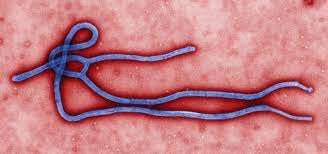
Public health officials emphasize that this outbreak requires a fundamentally different strategic approach than recent epidemics in the region. The culprit behind this emergency is the Bundibugyo virus, one of the distinct viral species within the Filoviridae family that causes Ebola disease in humans.
While the more famous Zaire ebolavirus strain has been the target of highly effective, licensed countermeasures—such as the Ervebo vaccine and targeted monoclonal antibody therapies—these approved products do not offer cross-protection against the Bundibugyo variant.
Crucial Medical Distinction: There are currently no licensed vaccines or specific therapeutic treatments approved for Bundibugyo virus disease.
Because medical teams cannot rely on ring vaccination (vaccinating everyone around an infected person) to halt transmission, the response must fall back on classic, foundational public health measures. According to the WHO, the primary defense mechanisms against this strain include:
-
Rigorous active case finding and laboratory confirmation
-
Strict isolation of symptomatic patients
-
Meticulous contact tracing to monitor exposed individuals for 21 days
-
Safe and dignified burial protocols to prevent post-mortem transmission
Laboratory research published in the journal Virology notes that while the Bundibugyo virus demonstrates a lower replication rate and delayed cell death in human peripheral blood mononuclear cells compared to the Zaire variant, it remains highly lethal. Historically, Ebola outbreaks maintain an average case fatality rate of roughly 50%, though individual outbreaks fluctuate heavily based on the speed of clinical intervention. Health authorities stress that early, intensive supportive care—such as intravenous hydration, electrolyte correction, and symptom management—significantly improves a patient’s chance of survival.
Frontline Realities: Insecurity and the Trust Deficit
Containing a viral pathogen requires mathematical precision, but the reality on the ground in eastern Congo is chaotic. WHO reports indicate that response teams had identified 5,040 active contacts under follow-up. However, the completion rate of these daily health checks varies sharply from province to province.
A primary disruptor is regional insecurity. Armed conflict and attacks on healthcare infrastructure have repeatedly forced surveillance teams to halt their work. Every missed contact or delayed isolation represents a potential loop of undetected community transmission.
Furthermore, managing border zones is proving to be an epidemiological nightmare. Because the outbreak has spread into Uganda, simple travel bans or rigid border closures are ineffective. A peer-reviewed analysis published in PubMed regarding borderland livelihoods during regional health emergencies demonstrated that cross-border trade, caregiving responsibilities, and deep-seated distrust of government authorities often drive people to bypass formal checkpoints entirely.
Commenting on the crisis during a recent briefing, WHO Director-General Dr. Tedros Adhanom Ghebreyesus emphasized that the international community’s role is strictly to support, rather than replace, national health authorities. Experts agree that building local trust and engaging community leaders is just as vital as clinical intervention; without community cooperation, contact tracers cannot locate hidden cases.
Understanding Data Constraints and Uncertainties
Epidemiologists urge caution when analyzing the daily numbers. The sudden jump to over 1,000 cases reflects a dynamic epidemiological landscape rather than a sudden explosion of infections in a single 24-hour window.
As testing capacities expand and backlogged samples from remote, conflict-heavy areas are processed, cases that occurred weeks ago are finally entering the official tally. Therefore, the current data represents a clearer view of the outbreak’s true footprint rather than evidence of a runaway acceleration rate over the past few days.
What the Public and Health Professionals Need to Know
For health-conscious consumers and international travelers, global health authorities stress that the primary response should be heightened vigilance rather than panic. Ebola is not an airborne pathogen like influenza or COVID-19. It cannot be caught by casual contact, such as walking past an individual in a market.
Transmission requires direct contact with the bodily fluids (blood, saliva, vomit, or sweat) of a symptomatic individual, or contact with heavily contaminated surfaces and linens. The risk remains strictly confined to households caring for sick relatives, traditional burial practices that involve touching the deceased, and frontline healthcare environments lacking proper Personal Protective Equipment (PPE).
The WHO currently advises against any general restrictions on travel or trade. Instead, they recommend highly coordinated border health screenings, robust community awareness campaigns, and immediate reporting of unexplained fevers in individuals who have traveled through the affected health zones.
References
- https://health.economictimes.indiatimes.com/news/industry/confirmed-ebola-cases-in-congo-outbreak-top-1000-with-254-deaths-authorities-say/131908686?utm_source=top_story&utm_medium=homepage
Medical Disclaimer: This article is for informational purposes only and should not be considered medical advice. Always consult with qualified healthcare professionals before making any health-related decisions or changes to your treatment plan. The information presented here is based on current research and expert opinions, which may evolve as new evidence emerges.