 0
0
 0
0
June 9, 2026, 5:11 AM IST
NEW DELHI — On June 8, 2026, the global medical community and patient advocacy groups observed World Brain Tumour Day, a critical annual campaign dedicated to raising public awareness about brain tumours, improving early diagnosis, and supporting research for a cure. First established in 2000 by the Deutsche Hirntumorhilfe e.V. (German Brain Tumour Association), this year’s event brought together more than 500 delegates from 14 nations to address the growing global burden of central nervous system (CNS) malignancies. With clinical data indicating that brain tumours affect between 28,000 and 40,000 individuals annually in India alone, oncologists and neurologists are using this international platform to urge the public to recognize early warning signs—an intervention that can radically transform patient outcomes.
What is a Brain Tumour?
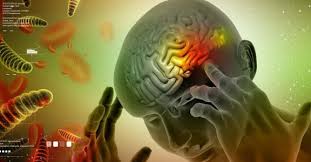
A brain tumour is an abnormal mass of cells growing within or directly adjacent to the brain. These growths are broadly categorized into two types:
-
Benign: Non-cancerous, slow-growing masses that do not spread but can still cause severe symptoms by compressing surrounding tissue.
-
Malignant: Cancerous, aggressive tumours that actively invade normal brain structures and can grow rapidly.
Because the human skull is a rigid structure with a fixed internal volume, even a small, non-cancerous growth can cause significant neurological damage. In India, CNS tumours account for approximately 2% of all cancer diagnoses. Alarmingly, the disease exhibits a bimodal distribution, with pediatric cases making up nearly 20% of the total national burden. Because the brain orchestrates every physiological and cognitive function, early clinical intervention is paramount to preserving long-term physical and cognitive health.
Key Warning Signs You Shouldn’t Ignore
Medical professionals emphasize that symptoms are highly dependent on a tumour’s size, its growth rate, and its location within the brain. Dr. Jyoti Bala Sharma, Director and Head of the Department of Neurology at Fortis Hospital Noida, notes that public education must focus on identifying specific symptom patterns rather than isolated occurrences.
“A headache alone usually does not suggest a brain tumour, but a headache along with other symptoms should not be ignored,” states Dr. Sharma.
1. Persistent, Progressive Headaches
Because a growing mass increases intracranial pressure (ICP), headaches are a common initial clinical presentation. However, tension headaches and migraines are incredibly common, and the vast majority are entirely benign.
According to guidelines from the Mayo Clinic and the NHS UK, a headache warrants immediate diagnostic evaluation if it:
-
Becomes progressively more frequent or severe over time.
-
Is intensely painful in the early morning.
-
Awakens a person from a deep sleep.
-
Is accompanied by unexplained nausea or projectile vomiting.
2. New-Onset Seizures or Fits
When a tumour disrupts the normal delicate electrochemical pathways of the cerebral cortex, it can trigger sudden, chaotic electrical storms. A first-time seizure in an adult with no history of epilepsy or head trauma is a classic red flag for an underlying intracranial mass. These seizures can present as generalized convulsions (shaking of the entire body and loss of consciousness) or focal episodes, such as localized muscle twitching, brief staring spells, or temporary unresponsiveness.
3. Focal Weakness and Motor Deficits
The human brain maps motor control contralaterally: the right hemisphere regulates the left side of the body, and the left hemisphere regulates the right. If a tumour develops along the motor strip or corticospinal tracts, patients often notice a gradual, unexplained loss of function. This typically manifests as:
-
Progressive weakness or numbness in a single arm or leg.
-
Frequent stumbling or a loss of balance while walking.
-
A noticeable decline in fine motor coordination (e.g., struggling to drop objects or write).
4. Speech and Communication Difficulties
Tumours localized in the dominant hemisphere—specifically affecting Broca’s or Wernicke’s areas—can profoundly impair language. Family members are often the first to notice these subtle shifts, which include:
-
Slurred speech or difficulty articulating words clearly.
-
Struggling to find the correct words during routine conversations.
-
Inability to comprehend spoken or written language despite intact hearing and eyesight.
5. Sudden or Gradual Vision Changes
Visual disturbances frequently occur when a mass compresses the optic nerve, optic chiasm, or occipital lobe. Patients may shrug these symptoms off as age-related vision decline, but classic presentation includes double vision (diplopia), persistent blurriness, or a progressive loss of peripheral vision (side vision), causing individuals to bump into doorways or furniture.
Subtle Symptoms Many People Miss
Oncologists caution that many early symptoms are highly non-specific and are frequently misattributed to daily stress, burnout, or poor sleep hygiene.
| Overlooked Symptom | Clinical Cause / Mechanism |
| Atypical Nausea | Elevated intracranial pressure stimulates the brainstem’s vomiting center, independent of food intake. |
| Cognitive Decline | Tumours in the frontal or temporal lobes can cause sudden memory lapses, confusion, and poor decision-making. |
| Personality Changes | Rapid mood swings, uncharacteristic apathy, or aggressive outbursts can occur if the frontal lobe—the hub of emotional regulation—is compressed. |
| Auditory Issues | Unilateral hearing loss or persistent ringing (tinnitus) can point to an acoustic neuroma growing near the auditory pathways. |
When to Seek Urgent Medical Attention
While many of these symptoms overlap with less severe clinical conditions, Dr. Sharma advises a straightforward rule of thumb:
“Any symptom that is new, gradually worsening, or adding to previous symptoms should be taken seriously, and medical advice should be sought promptly.”
According to emergency triage protocols established by WebMD and Macmillan Cancer Support, immediate emergency medical evaluation is necessary if an individual experiences a sudden, new pattern of severe headaches, new-onset seizures, unexplained lethargy or altered mental status, or sudden double vision.
Public Health Implications and Limitations in Data
World Brain Tumour Day underscores the massive public health burden imposed by CNS malignancies. Beyond individual patient suffering, managing these complex conditions requires significant healthcare infrastructure, neurosurgical expertise, and long-term rehabilitative care. Public health campaigns are critical to demystify the diagnosis and encourage early screening, which vastly lowers mortality rates.
However, epidemiological data carries certain limitations. In India, the estimated incidence rate of 5 to 10 cases per 100,000 population relies heavily on urban cancer registries. Experts from MOC Cancer Care point out that significant regional disparities in healthcare access mean this figure likely underreports the true burden. In remote or rural sectors, a lack of advanced diagnostic imaging tools—such as Magnetic Resonance Imaging (MRI) and Computed Tomography (CT) scans—means many cases go undiagnosed or are misclassified.
Furthermore, clinicians must balance public awareness with reassurance: most everyday headaches, dizzy spells, or minor memory slips are entirely unrelated to oncology. The diagnostic focus is always on tracking progressive, clustering patterns of neurological deficit rather than isolated, transient symptoms.
What This Means for Your Daily Health
For health-conscious individuals, the takeaway is not panic, but proactive vigilance. Understanding how your body normally functions allows you to identify when something is genuinely wrong. If you or a loved one notices a combination of the warning signs detailed above—particularly a changing headache profile accompanied by motor weakness or visual changes—schedule an evaluation with a qualified neurologist or physician. Catching a brain tumour in its early stages drastically improves the efficacy of advanced interventions, preserves vital brain tissue, and safeguards long-term quality of life.
Medical Disclaimer
Medical Disclaimer: This article is for informational purposes only and should not be considered medical advice. Always consult with qualified healthcare professionals before making any health-related decisions or changes to your treatment plan. The information presented here is based on current research and expert opinions, which may evolve as new evidence emerges.
Reference Section
-
India Today Health Desk (2026). World Brain Tumour Day 2026: Doctors explain the early symptoms many people miss. Clinical report published June 7, 2026. Available at:
[https://www.indiatoday.in/health/story/world-brain-tumour-day-2026-doctors-explain-the-early-symptoms-many-people-miss-2923164-2](https://www.indiatoday.in/health/story/world-brain-tumour-day-2026-doctors-explain-the-early-symptoms-many-people-miss-2923164-2)