 0
0
 0
0
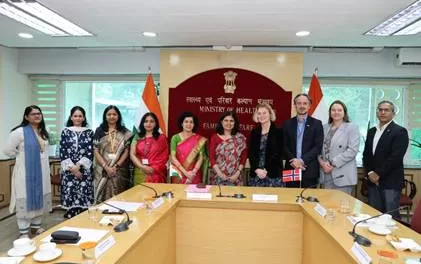
NEW DELHI — In a major effort to bring preventive healthcare directly into the administrative heart of the nation, the Ministry of Health and Family Welfare concluded a three-day intensive health screening initiative, the Ayushman Arogya Shivir, across three government office complexes in the capital.
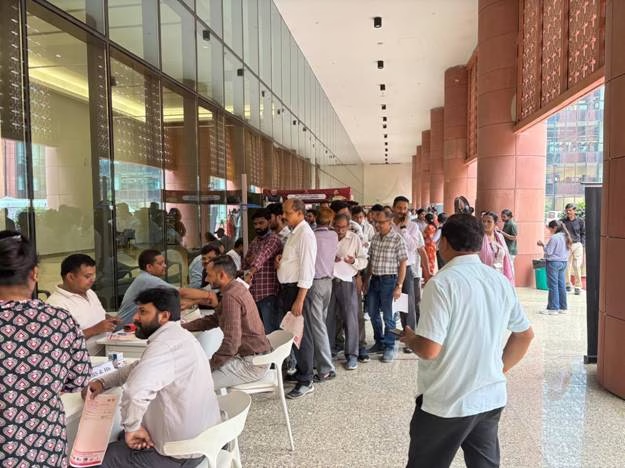
Held from July 22 to July 24, 2026, across Kartavya Bhawan-I, II, and III, the initiative provided comprehensive medical evaluations, targeted screenings, and lifestyle consultations to over 1,700 government officials and staff spanning more than 16 central ministries. Organized by the Central TB Division (CTD) in partnership with the Delhi State TB Cell, the National TB Elimination Programme (NTEP), and the Swasth Nagrik Abhiyaan (SNA) Division, the event marks a shift toward proactive, workplace-based preventive medicine within India’s public sector.
On-Site Care and Mobile Diagnostics
The event launched at Kartavya Bhawan-I with an inaugural address by Smt. Aradhana Patnaik, Additional Secretary and Mission Director for the Ministry of Health and Family Welfare. Emphasizing the need for routine monitoring, Patnaik highlighted that preventive health screenings are key to preventing chronic diseases before they require complex, invasive interventions.
“Prioritizing preventive healthcare is not just a personal responsibility; it is a fundamental shift in how we approach long-term public health and workforce productivity,” Patnaik noted during the opening ceremony.
┌─────────────────────────────────────────────────────────┐
│              AYUSHMAN AROGYA SHIVIR AT A GLANCE         │
├─────────────────────────────────────────────────────────┤
│ • Attendees: 1,700+ Personnel across 16+ Ministries    │
│ • Key Services: BP, Blood Sugar, BMI, Hb, Chest X-Ray  │
│ • Specialized Care: On-site Mobile TB Diagnostics       │
│ • Workforce: 60 Doctors, Specialists & Volunteers      │
└─────────────────────────────────────────────────────────┘
The medical drive engaged a diverse cross-section of the government workforce. Senior bureaucrats, administrative officers, security officers, housekeeping personnel, and sanitation workers received equal access to non-communicable disease (NCD) screenings and diagnostic evaluations.
The primary health checks included:
-
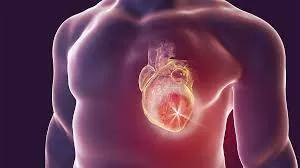
Cardiovascular & Metabolic Risk Assessments: Blood Pressure (BP) screening, fasting blood glucose tests, and Body Mass Index (BMI) calculations to identify early markers of hypertension, type 2 diabetes, and obesity.
-
Hematological Evaluation: Haemoglobin (Hb) estimation to detect anemia, a widespread condition that often goes unnoticed in desk-bound and manual workers alike.
-
Respiratory Diagnostics: Chest X-rays and specialist medical consultations with immediate referral pathways for advanced management.
A central feature of the three-day drive was the deployment of two specialized Ni-kshay Vahans — customized mobile diagnostic units equipped with digital chest X-ray capabilities and rapid molecular diagnostic tools, including Cartridge Based Nucleic Acid Amplification Testing (CBNAAT) and TrueNat technology. These mobile units provided immediate, on-site laboratory testing for suspected tuberculosis (TB) cases, avoiding the delays associated with off-site referrals.
The Public Health Impact of Workplace Screenings
As non-communicable diseases (NCDs) like hypertension and diabetes account for over 60% of deaths in India, public health experts emphasize that bringing diagnostic infrastructure to the workplace removes major barriers to care, such as time constraints and logistical challenges.
“Workplace-based health screenings are one of the most effective tools for early disease detection,” says Dr. Ananya Sharma, a consultant in preventive cardiology not involved in the event. “Metabolic conditions like hypertension and early-stage type 2 diabetes often develop without noticeable symptoms. Catching these early through routine screenings at work prevents long-term organ damage and reduces the broader healthcare burden.”
Cardiovascular Risk Profile
├── Early Stage: Elevated Blood Pressure / Asymptomatic Hyperglycemia
└── Late Stage (Unmanaged): End-Organ Damage / Severe Cardiovascular Events

Tuberculosis Infection Profile
├── Latent / Subclinical: Detectable primarily via chest radiography or molecular testing
└── Active Symptomatic: Higher transmission risk / Complex treatment regimen
The drive also supports India’s ambitious targets under the National TB Elimination Programme (NTEP). By incorporating advanced, rapid molecular diagnostic tools directly into community- and workplace-level camps, the program aims to close the diagnostic gap for active TB cases. On the second day at Kartavya Bhawan-II, Dr. Shobini Rajan, Deputy Director General of the Central TB Division, stressed that early detection through mobile technologies is essential to meeting the national goal of a TB Mukt Bharat (TB-Free India).
Operational Logistics and Community Involvement
Running a high-volume diagnostic camp across three government complexes required a multi-disciplinary effort. The operations were driven by a team of approximately 60 healthcare professionals, including specialists, medical officers, radiographers, laboratory technicians, and nursing staff.
                                  ┌───────────────────────────────┐
                                  │   Central Ministries Staff    │
                                  └──────────────┬────────────────┘
                                                 │
                                                 ▼
                                  ┌───────────────────────────────┐
                                  │   On-Site Triage & Screening  │
                                  └──────────────┬────────────────┘
                                                 │
                  ┌──────────────────────────────┴──────────────────────────────┐
                  ▼                                                             ▼
  ┌───────────────────────────────┐                             ┌───────────────────────────────┐
  │   NCD & Metabolic Panel       │                             │   Mobile Diagnostic Vahans    │
  │   (BP, Sugar, Hb, BMI)        │                             │   (Digital X-Ray, CBNAAT)     │
  └──────────────┬────────────────┘                             └──────────────┬────────────────┘
                 │                                                             │
                 └──────────────────────────────┬──────────────────────────────┘
                                                │
                                                ▼
                                 ┌──────────────────────────────┐
                                 │ Specialist Medical Consult   │
                                 │    & Targeted Referrals      │
                                 └──────────────────────────────┘
The medical teams were complemented by TB Vijetas (tuberculosis survivors who serve as peer educators) and My Bharat youth volunteers. These teams offered peer counseling, helped dispel the social stigma surrounding tuberculosis, and encouraged attendees to adopt healthier lifestyles. The camp concluded at Kartavya Bhawan-III on July 24.
Understanding the Scope: Opportunities and Limitations
While workplace initiatives like the Ayushman Arogya Shivir offer clear benefits, medical experts point out that screening is only the first step in preventive healthcare.
| Feature | Primary Screening Camps | Comprehensive Clinical Follow-Up |
| Primary Focus | Early detection, baseline data, risk identification | Long-term disease management, medication adjustment |
| Diagnostic Depth | Point-of-care tests (e.g., finger-prick glucose, digital X-rays) | Detailed confirmatory panels (e.g., HbA1c, oral glucose tolerance tests) |
| Public Health Impact | High outreach, immediate referral for high-risk individuals | Prevents chronic disease progression and complications |
While single-day or short-term screening drives effectively spot undiagnosed cases, their long-term success depends on robust follow-up systems.
“Screening camps serve as an essential intake filter,” explains Dr. Rajesh Kulkarni, an epidemiologist and public health consultant. “However, a single normal blood pressure or blood sugar reading should not replace regular primary care visits. Similarly, individuals identified with elevated risk markers need clear pathways to long-term clinical care to ensure these early detections turn into real improvements in health.”
Public health authorities note that the insights gained from workplace camps like this can help guide future preventive health strategies across large organizations. By integrating advanced mobile diagnostics with accessible, on-site routine check-ups, such initiatives offer a practical model for supporting employee health, encouraging early medical consultation, and improving overall workplace wellness.
References
-
Press Information Bureau (PIB) Delhi. (2026, July 24). Ayushman Arogya Shivir Concludes Successfully Across Three Kartavya Bhawans in New Delhi. Ministry of Health and Family Welfare, Government of India.
Medical Disclaimer: This article is for informational purposes only and should not be considered medical advice. Always consult with qualified healthcare professionals before making any health-related decisions or changes to your treatment plan. The information presented here is based on current research and expert opinions, which may evolve as new evidence emerges.