 0
0
 0
0
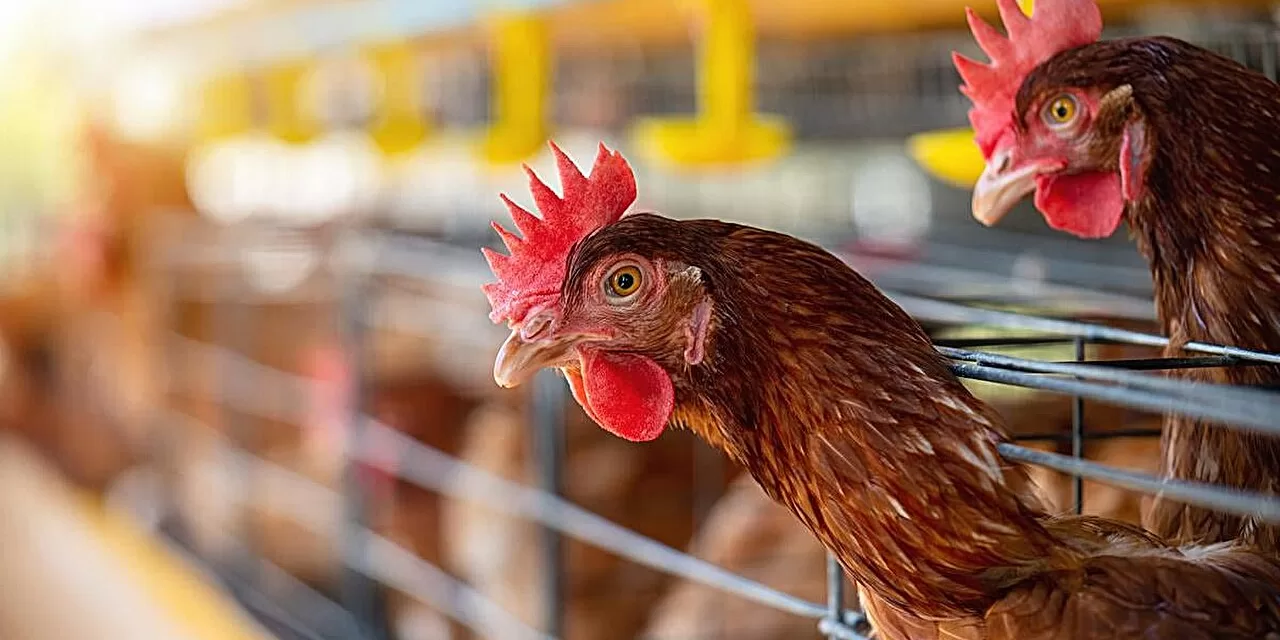
NANDURBAR, MAHARASHTRA — Authorities in Maharashtra’s Nandurbar district have initiated an urgent large-scale culling operation following the confirmation of a highly pathogenic avian influenza (HPAI) outbreak. On May 1, 2026, district officials ordered the destruction of approximately 1.4 to 1.5 lakh chickens in the Navapur taluka to contain the spread of the virus. The move comes after the National Institute of High Security Animal Diseases (NIHSAD) in Bhopal confirmed positive samples from multiple commercial farms in the region, which is a major poultry hub near the Gujarat-Maharashtra border.
The Outbreak and Immediate Response
The crisis surfaced in mid-April when three poultry farms—Diamond, Taslim, and Don Poultry—reported the sudden death of nearly 200 chickens between April 13 and 14. Concerned by the high mortality rate, the Animal Husbandry Department collected samples that were subsequently verified as bird flu, likely the H5N1 strain, which has been active across several Indian states this year.
In response, District Collector Mitali Sethi declared a one-kilometer radius around the affected farms as an “infected zone.” Within this perimeter, all poultry, including eggs and bird feed, are being scientifically disposed of by Rapid Response Teams (RRTs). Carcasses are being buried in deep, lime-lined pits to prevent environmental contamination.
Furthermore, a 10-kilometer surveillance zone has been established, placing a total ban on the transportation, sale, and marketing of poultry products. Checkposts have been erected at the state border to monitor and restrict the movement of birds to neighboring Gujarat.
Historical Context: A Vulnerable Poultry Hub
Navapur has a troubled history with avian influenza. It was the site of India’s first-ever H5N1 outbreak in February 2006, which necessitated the culling of nearly 10 lakh birds and crippled the local economy. Subsequent outbreaks in 2021 and sporadic cases in 2024 have kept the region on high alert.
The high density of layer poultry units in Nandurbar makes it an ideal environment for rapid viral transmission. “The recurring nature of these outbreaks in Navapur highlights the challenges of biosecurity in high-density farming belts,” says a senior official from the state’s Animal Husbandry Department. “While commercial farms often have protocols, the interaction with wild migratory birds and unorganized backyard poultry remains a significant risk factor.”
Public Health and Human Risk
While avian influenza primarily affects birds, the H5N1 strain is a “zoonotic” virus, meaning it can jump from animals to humans. According to the World Health Organization (WHO), human infections usually occur through direct contact with infected live or dead poultry or contaminated environments.
As of early 2026, the WHO has tracked a small number of human H5N1 cases globally, including a fatal case in a child from Bangladesh in February. However, no human cases have been reported in the current Nandurbar outbreak. To mitigate risk, health authorities have begun daily fever surveillance of farm workers and RRT members, providing them with Personal Protective Equipment (PPE) and prophylactic doses of Oseltamivir (Tamiflu) where necessary.
Is It Safe to Eat Poultry?
Experts emphasize that properly cooked poultry is safe for consumption. The virus is heat-sensitive and is destroyed when meat or eggs reach an internal temperature of 70°C (158°F). Consumers are advised to:
-
Avoid consuming raw or undercooked eggs and meat.
-
Ensure hygienic handling of raw poultry.
-
Avoid visiting live bird markets in affected zones.
Expert Commentary: One Health Approach
The Indian Council of Medical Research (ICMR) has recently prioritized avian influenza under its “One Health” mission, recognizing the interconnectedness of animal and human health.
“This containment protocol in Nandurbar is essential to prevent the virus from becoming endemic in the local bird population,” states Dr. Nivedita Gupta, Scientist G at ICMR’s Epidemiology Division. “While the risk to the general public remains low, the pandemic potential of H5N1—given its high fatality rate in humans—requires us to act with an abundance of caution.”
Dr. Anoop Velayudhan, a poultry specialist, adds that the shift in migratory bird patterns in 2026 has likely contributed to the multi-state activity seen in Bihar, Kerala, and now Maharashtra this season.
Economic Impact and Compensation
The culling of 1.4 lakh birds represents a massive financial blow to Nandurbar’s poultry industry. To support affected farmers, the government has announced compensation packages. Based on current 2026 guidelines, farmers typically receive approximately ₹90 to ₹100 per bird, though many argue this does not fully cover the loss of future egg production and the cost of feed.
Limitations and Future Outlook
Despite the rapid response, several challenges remain:
-
Strain Identification: While preliminary tests confirm H5, full genome sequencing is required to determine if this is the same clade currently circulating in Europe and North America.
-
Biosecurity Gaps: Small-scale backyard poultry owners often lack the resources to implement rigorous biosecurity, creating “reservoirs” for the virus.
-
Vaccination Debates: There is ongoing debate within the poultry industry regarding the use of avian flu vaccines, which can prevent mass mortality but may also mask the presence of the virus, complicating surveillance.
As of May 2026, India remains on high alert. With concurrent outbreaks reported in Bihar and Andhra Pradesh earlier this year, the Nandurbar incident serves as a stark reminder that constant vigilance is the only way to safeguard both the economy and public health.
Medical Disclaimer: This article is for informational purposes only and should not be considered medical advice. Always consult with qualified healthcare professionals before making any health-related decisions or changes to your treatment plan. The information presented here is based on current research and expert opinions, which may evolve as new evidence emerges.
References
- https://www.cnbctv18.com/india/maharashtra-bird-flu-150-200-chickens-dead-1-4-lakh-to-be-culled-in-nandurbar-ws-el-19897224.htm