 0
0
 0
0
GENEVA — The World Health Organization (WHO) announced during a press briefing on June 23, 2026, that the international hantavirus outbreak first reported on May 2 will be officially declared over on July 2, provided no new cases are detected. The declaration follows an intensive global response that tracked 13 confirmed cases and three deaths. Public health officials across 33 countries and territories successfully traced more than 650 contacts, bringing a complex international containment effort to its final stages.
While the countdown to the formal end date marks a major milestone in containing the spread, international health agencies stress that scientific investigations into the sources and transmission chains of the cluster will continue long after the final quarantine window closes.
Technical Milestones and Timeline for Closure
The timeline for formally declaring the outbreak over hinges on a strict 42-day monitoring period for identified contacts. According to WHO officials, this 42-day window represents two maximum incubation intervals for the virus, a standard and conservative epidemiological benchmark used to ensure that secondary or late-stage transmissions are not missed.
As of the June 23 briefing, the vast majority of the 650-plus traced contacts had successfully completed their mandatory quarantine periods without showing symptoms. Only 54 individuals remained within the active monitoring window. If these remaining individuals remain asymptomatic and complete their isolation by July 2, the criteria for ending the outbreak will be fully met.
Understanding Hantaviruses: Transmission and Risks
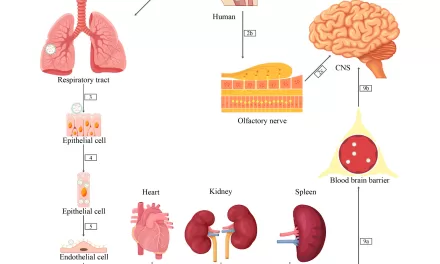
Hantaviruses are a cluster of RNA viruses primarily harbored and shed by rodents, including mice and rats. Humans generally contract the virus through direct contact with infected rodents, their saliva, urine, or feces, or by inhaling airborne particles (aerosolization) when rodent excreta is disturbed during cleaning activities.
| Feature | Hantavirus Pulmonary Syndrome (HPS) / Renal Syndromes |
| Primary Vectors | Deer mice, cotton rats, rice rats, and other rodent species |
| Transmission Mode | Inhalation of aerosolized droppings, direct contact, rare human-to-human strains |
| Clinical Presentation | Ranges from mild febrile illness to severe respiratory failure or acute kidney injury |
| Case Fatality Rate | High historical mortality rate, making small clusters a public health priority |
While most hantavirus strains do not easily spread from person to person, certain lineages—such as the Andes virus variant—have demonstrated limited human-to-human transmission in past outbreaks. The clinical spectrum of hantavirus infection can range from mild, flu-like febrile illness to severe, life-threatening conditions like Hantavirus Pulmonary Syndrome (HPS) or Hemorrhagic Fever with Renal Syndrome (HFRS). This high potential for severe disease is why public health authorities treat even small case clusters with extreme urgency.
Expert Perspectives: The Definition of ‘Over’
Infectious disease specialists emphasize that declaring an outbreak “over” is an epidemiological milestone based on surveillance data, rather than a signal to halt research or lower defenses.
Independent public health experts note that the low absolute case numbers in this outbreak—13 confirmed infections—should not lull clinicians or the public into a false sense of security. Because hantaviruses carry significant mortality rates, a single missed or unreported case could silently seed a new chain of transmission if active surveillance drops prematurely.
Epidemiologists reiterate that the July 2 end date relies heavily on the assumption that current active surveillance has caught every potential exposure. The ongoing resolution of the final 54 quarantined individuals requires both continuous public health follow-up and transparent self-reporting.
Public Health Implications and Balanced Resource Management
For the general public, the immediate risk stemming from this specific international cluster remains exceptionally low. However, the event serves as a stark reminder for frontline clinicians and local health boards to maintain vigilance. Doctors are urged to remain aware of compatible symptoms—such as sudden fever, severe muscle aches, and progressive shortness of breath—particularly in patients with recent travel histories or potential rodent exposures.
From a public health management perspective, transitioning past the active outbreak phase allows international agencies to reallocate valuable resources. The immense logistical assets required for global contact tracing across 33 nations can now be channeled back into long-term localized surveillance, ecological monitoring of rodent populations, and community education programs in endemic zones.
Small Datasets and Surveillance Limitations
Despite the successful containment, medical researchers face limitations due to the small size of the dataset. With only 13 confirmed cases, drawing sweeping statistical inferences regarding exact transmission patterns, precise case fatality rates, or universal risk factors for severe disease within this specific cluster remains difficult.
To circumvent these limitations, WHO and national laboratory teams will continue to rely on meticulous, localized case investigations, genetic sequencing of the viral samples, and environmental sampling to piece together a clear picture of how the outbreak originated.
Practical Takeaways for Daily Health
The primary defense against hantavirus infection relies on routine, household-level preventative measures rather than international border controls.
-
For Identified Contacts: Individuals who have been designated as contacts must strictly adhere to local public health directives, complete their designated monitoring windows, and seek emergency medical attention if they experience sudden fever, coughing, or respiratory distress.
-
For the General Public: Standard rodent mitigation is key. Keep living and working spaces clean, seal cracks and holes in homes to prevent rodent entry, and use disinfectant spray rather than dry sweeping when cleaning areas showing signs of rodent activity to prevent the virus from becoming airborne.
References
-
World Health Organization. Press briefing, Geneva, June 23, 2026: “Hantavirus outbreak should formally end on 2 July if no further cases are reported.”
- Medical Disclaimer: This article is for informational purposes only and should not be considered medical advice. Always consult with qualified healthcare professionals before making any health-related decisions or changes to your treatment plan. The information presented here is based on current research and expert opinions, which may evolve as new evidence emerges.