 0
0
 0
0
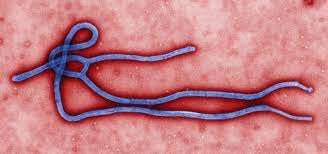
ITURI PROVINCE, DEMOCRATIC REPUBLIC OF THE CONGO — The World Health Organization (WHO) announced this week that clinical trials for two investigational medical treatments are scheduled to begin next week in the Democratic Republic of the Congo (DRC). The randomized clinical trial aims to determine whether these therapies can effectively reduce mortality rates in the midst of a rapidly expanding outbreak of Bundibugyo Ebola virus disease. The first clinical sites are set to open in the northeastern Ituri province, the current epicenter where the vast majority of cases have been identified.
A Rapid Research Response to a Growing Crisis
The upcoming trial represents a mobilized, multi-institutional effort to find a medical countermeasure for a virus that currently has no approved, species-specific cure. Led by the WHO alongside the DRC’s National Institute for Biomedical Research (INRB), the Alliance for International Medical Action (ALIMA), and Oxford University, the study is designed to enroll between several hundred and approximately 1,000 participants.
The fast-moving nature of the current outbreak has added a profound sense of urgency to the logistics. According to recent WHO situation briefings, the virus underwent months of unrecognized spread in some areas before being officially detected. This quiet transmission allowed it to establish a strong foothold, resulting in an unusually high number of confirmed cases early in the event and a worrisome expansion into urban centers.
“We are in a strong position to start quickly,” noted Dr. Amanda Rojek, a clinical researcher at the University of Oxford who is involved in the trial planning. Experts emphasize that the speed of deployment is vital given the velocity at which the virus is moving through vulnerable populations.
What the Trial Will Test and Why It Matters
The clinical trial will evaluate two distinct therapeutic candidates, administering them either individually or in combination to assess both safety and effectiveness:
-
MBP134: An investigational monoclonal-antibody cocktail. Monoclonal antibodies are laboratory-made proteins designed to mimic the immune system’s ability to fight off harmful pathogens. MBP134 is specifically engineered to bind to and neutralize a diverse range of Ebola virus species.
-
Remdesivir: A broad-acting antiviral medication. Antivirals work by inhibiting a virus’s ability to replicate itself inside human cells. Remdesivir has previously been utilized and evaluated in other filovirus outbreaks and viral diseases globally.
While the medical community successfully developed highly effective treatments and vaccines during previous West African and DRC outbreaks, those countermeasures specifically targeted the Zaire ebolavirus species.
The Bundibugyo ebolavirus is a genetically distinct relative. Because existing approved therapies are tailored to the Zaire strain, their real-world effectiveness against Bundibugyo remains entirely uncertain.
Ebola Species & Treatment Availability:
┌─────────────────────────┬──────────────────────────────────────────┐
│ Ebola Virus Species     │ Approved Species-Specific Treatments     │
├─────────────────────────┼──────────────────────────────────────────┤
│ Zaire ebolavirus        │ Yes (e.g., Inmazeb, Ebanga)              │
├─────────────────────────┼──────────────────────────────────────────┤
│ Bundibugyo ebolavirus   │ None (Current trial targeting this gap)   │
└─────────────────────────┴──────────────────────────────────────────┘
WHO Director-General Dr. Tedros Adhanom Ghebreyesus briefed the media, explaining that this rigorous, randomized framework is designed to provide definitive evidence on whether MBP134, remdesivir, or their combination can successfully lower the death toll associated with the Bundibugyo species.
Public Health Implications and Community Trust
If the trial demonstrates that one or both treatments significantly reduce mortality or severe disease, the public health impact could be transformative. Health authorities would be able to rapidly expand access to these therapies across affected regions, update clinical care protocols at emergency treatment centers, and prioritize global production and distribution lines.
For local clinicians and community health workers, having an proven tool changes how patients are managed and triaged. Beyond the clinical walls, the existence of an effective treatment plays a massive role in community dynamics. Historically, when a disease carries an exceptionally high mortality rate and has no known cure, fear can lead to hidden cases and a reluctance to seek medical attention. Showing communities that entering a treatment center substantially increases the chances of survival is a cornerstone of building public trust and encouraging early healthcare-seeking behavior.
Challenges, Limitations, and the Reality of Outbreak Research
Despite the optimism surrounding the launch, independent researchers urge cautious optimism. Laboratory data and successful past experiences with the Zaire strain do not guarantee that these drugs will mirror that success against the Bundibugyo virus in a live clinical setting.
Furthermore, executing a scientifically rigorous trial during an active health crisis presents formidable logistical hurdles. Dr. Vasee Moorthy, the WHO’s research and development blueprint lead, has noted the immense complexities of managing rapid enrollment, maintaining precise cold-chain requirements (keeping medications at strictly controlled, cold temperatures), and ensuring robust informed consent from patients, all while operating in remote or conflict-affected regions.
Even if a therapy proves highly effective in the trial, immediate population-level relief may be bottlenecked by supply constraints and the sheer physical difficulty of delivering specialized medicine to resource-limited areas. International policymakers will have to carefully balance clinical efficacy against these practical barriers to deployment.
Practical Takeaways for Readers
For individuals living within or traveling near the affected regions in the DRC, public health authorities emphasize that while these clinical trials represent a major step forward, they do not replace standard protective measures. The primary defense against Ebola remains:
-
Early recognition of symptoms: Being vigilant for sudden fever, intense weakness, muscle pain, headache, and sore throat, followed by vomiting or diarrhea.
-
Rapid access to clinical care: Seeking immediate medical isolation and evaluation if symptoms appear.
-
Infection prevention: Adhering strictly to hygiene practices, avoiding direct contact with the bodily fluids of infected individuals or surfaces they have touched, and following community public health guidelines.
For global clinicians and public health planners, the trial underscores the ongoing necessity of enrolling eligible patients into ethically sound, monitored clinical trials. Doing so allows the global medical community to gather definitive data safely and quickly, turning an emergency response into an opportunity to discover lasting medical solutions.
Reference Section
- https://health.economictimes.indiatimes.com/news/industry/trials-of-two-ebola-treatments-to-start-in-drc-next-week-who/131991450?utm_source=latest_news&utm_medium=homepage
Medical Disclaimer: This article is for informational purposes only and should not be considered medical advice. Always consult with qualified healthcare professionals before making any health-related decisions or changes to your treatment plan. The information presented here is based on current research and expert opinions, which may evolve as new evidence emerges.