 0
0
 0
0
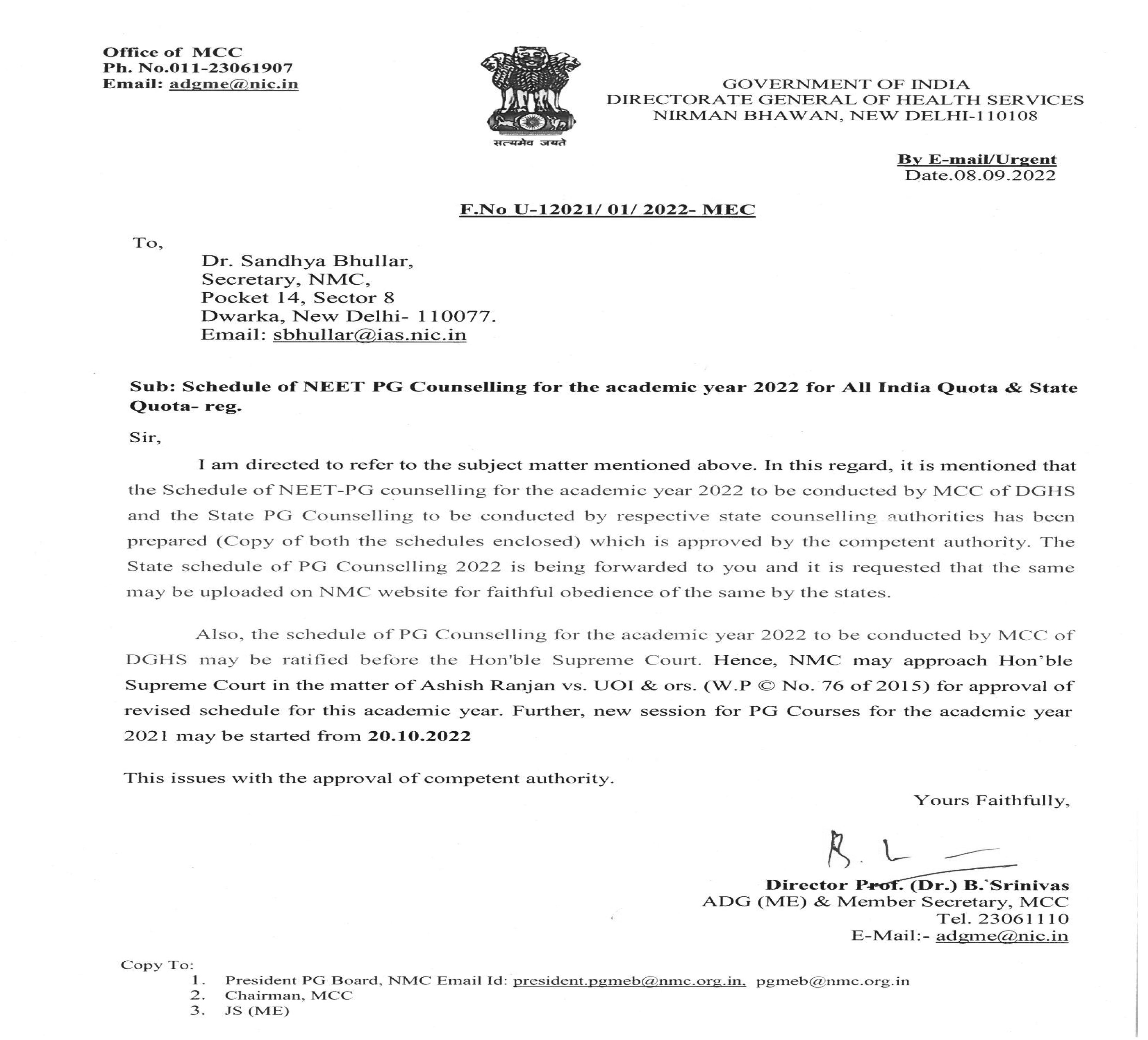
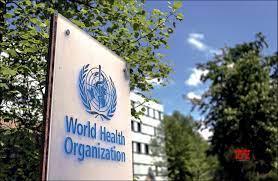
GENEVA — The World Health Organization (WHO) confirmed this week that the global threat from the expanding Ebola outbreak in Central Africa remains low, even as rising transmission rates in the Democratic Republic of the Congo (DRC) and neighboring Uganda continue to outpace regional containment efforts.
The declaration comes amid heightened international attention following a confirmed case of the virus in Europe. On Wednesday, French health authorities announced that a medical doctor working with an international non-governmental organization in the DRC had tested positive for the virus upon landing in Paris. Despite this cross-border case, WHO Director-General Dr. Tedros Adhanom Ghebreyesus urged calm, emphasizing that the development should not trigger broad public panic.
“There is no need for panic,” Dr. Tedros stated during a media briefing, reiterating that while the situation is a Public Health Emergency of International Concern (PHEIC), the risk of widespread international transmission remains very low. “The risk to the rest of the world is low, but this case serves as a critical reminder of the immense vulnerabilities faced by frontline responders.”
The Scale of the Current Outbreak
The current health crisis was formally declared on May 15, 2026, after laboratory analysis confirmed the presence of the Bundibugyo virus disease (BVD) in both the DRC and Uganda. Unlike the more common Zaire strain of Ebola, the Bundibugyo species is rare and historically less frequent, though no less dangerous.
According to data compiled by the WHO and the U.S. Centers for Disease Control and Prevention (CDC), the virus has spread rapidly through remote, high-density areas.
-
DRC Totals: As of June 23, 2026, the CDC reported that the DRC has surpassed 1,118 confirmed cases and 291 confirmed deaths, making this the largest outbreak ever caused by the Bundibugyo strain.
-
Uganda Totals: Uganda has recorded 20 confirmed cases and 2 deaths. Encouragingly, epidemiological data shows these are primarily imported cases from the DRC, with minimal localized secondary transmission.
-
The French Case: The single case identified in France involved an almost asymptomatic physician who developed a mild headache during a commercial flight from Kinshasa. French health officials noted that the patient was immediately isolated upon landing in Paris and remains in stable condition with a low viral load.
Why Global and Local Risks Differ
The stark contrast between a “very high” risk assessment within the DRC and a “low” risk classification globally is rooted in how the Ebola virus spreads.
Unlike respiratory pathogens such as influenza or SARS-CoV-2, Ebola cannot be transmitted through casual contact, brief proximity, or microscopic droplets suspended in the air. Furthermore, individuals are not contagious during the incubation period, which spans anywhere from 2 to 21 days.
How Transmission Occurs: The virus spreads strictly through direct contact with the blood, secretions, organs, or other bodily fluids of an infected individual who is actively showing symptoms, or through surfaces and materials (like bedding or clothing) contaminated with these fluids.
Because transmission requires direct physical contact with infectious fluids, the virus is highly manageable in environments with robust public health infrastructure. However, the localized risk remains high in parts of eastern DRC due to an intersecting cluster of structural challenges:
-
Weak Infection Prevention: Local clinics often lack adequate personal protective equipment (PPE) and sterile medical supplies.
-
Insecurity: Ongoing regional conflict and population displacement prevent contact tracers from mapping transmission chains safely.
-
Healthcare Worker Vulnerability: Nearly 80 healthcare workers have been infected so far, disrupting local healthcare delivery and turning medical facilities into accidental hubs for transmission.
The Unique Challenge of the Bundibugyo Strain
Public health officials are facing a distinct clinical hurdle with this specific outbreak. While previous outbreaks of the Zaire ebolavirus species benefited from the deployment of highly effective licensed vaccines (such as Ervebo) and targeted monoclonal antibody treatments, no such pharmaceutical interventions exist for the Bundibugyo strain.
Historically, case fatality rates across all Ebola strains range from 25% to 90%, averaging roughly 50%. Past outbreaks of the Bundibugyo strain specifically—occurring in Uganda in 2007 and the DRC in 2012—registered mortality rates of 32% and 55%, respectively.
Without a licensed vaccine or specific antiviral therapeutic, managing a Bundibugyo outbreak relies entirely on classic, non-pharmaceutical public health measures. Medical teams must rely heavily on early intensive supportive care—such as intravenous fluid hydration and electrolyte stabilization—alongside strict case isolation, meticulous contact tracing, and safe, dignified burial protocols.
Public Health Response and Critical Uncertainties
International agencies are working collaboratively with the ministries of health in the DRC and Uganda to scale up intervention strategies. The Africa Centers for Disease Control and Prevention (Africa CDC), alongside the European Commission, launched a joint continental strategic response plan to enhance laboratory diagnostics, supply chains, and community engagement.
Despite these efforts, significant gaps in tracking remain a critical limitation. Public health epidemiologists note that the official figures likely undercount the true scope of the epidemic. In conflict-ravaged border zones, mobile populations and remote villages frequently lack access to formal care. Consequently, some individuals succumb to the illness or recover without ever being tested, clouding the true geographic boundaries of the virus.
What This Means for the Public
For the vast majority of people outside Central Africa, the operational message from medical authorities is clear: the current outbreak requires vigilance from global health bodies, but does not necessitate changes to daily routines for ordinary citizens.
For international travelers, the CDC has issued specific Travel Health Notices, advising against non-essential travel to the heavily affected DRC provinces of Ituri, North Kivu, and South Kivu. Travelers visiting other parts of the region or Uganda are urged to avoid medical facilities treating Ebola patients, monitor themselves for symptoms like sudden fever, severe muscle pain, vomiting, or unexplained bleeding, and seek immediate, isolated medical attention if symptoms appear within 21 days of returning.
For healthcare systems globally, the primary takeaway is the absolute necessity of maintaining robust travel-history screening protocols for patients presenting with acute febrile illnesses.
References
-
Ghebreyesus, Tedros Adhanom. Opening remarks and official risk assessments at the World Health Organization media briefing on global health emergencies, Geneva, June 24, 2026.
Medical Disclaimer: This article is for informational purposes only and should not be considered medical advice. Always consult with qualified healthcare professionals before making any health-related decisions or changes to your treatment plan. The information presented here is based on current research and expert opinions, which may evolve as new evidence emerges.