 0
0
 0
0
GENEVA — The World Health Organization (WHO) has urgently fast-tracked the development and clinical testing of vaccines and treatments specifically targeting the Bundibugyo strain of Ebola. This rare but deadly variant is currently fueling a lethal outbreak in the Democratic Republic of the Congo (DRC) and Uganda.
The emergency move comes after the outbreak was officially declared a Public Health Emergency of International Concern (PHEIC). As of May 26, 2026, more than 1,077 suspected cases and 246 suspected deaths have been reported in the DRC’s Ituri Province alone. What makes this crisis particularly alarming for global health authorities is that there are currently zero approved vaccines or therapies specifically designed to combat the Bundibugyo strain.
Key Findings: Promising Vaccine Candidates Identified
During an emergency meeting convened on May 28, 2026, WHO experts reviewed all available research on potential medical countermeasures, singling out several promising candidates for immediate clinical testing in the outbreak zones.
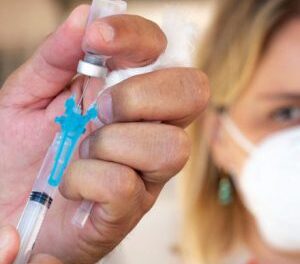
The leading vaccine candidate is a single-dose rVSV Bundibugyo vaccine, developed by the International AIDS Vaccine Initiative (IAVI). While WHO advisers rated it as having strong therapeutic potential, researchers estimate it will take roughly seven to nine months before manufacturing and logistics allow for large-scale clinical trials on the ground.
A more rapidly deployable option is the ChAdOx1 Bundibugyo vaccine, developed by the University of Oxford and the Serum Institute of India. Utilizing the same adenoviral vector technology as the Oxford-AstraZeneca COVID-19 vaccine, this candidate could be ready for human testing within two to three months, though additional animal safety studies are still being finalized.
Experimental Treatments Prioritized for Testing
Alongside preventative vaccines, the WHO has prioritized three experimental therapeutics for immediate clinical evaluation to save those already infected:
| Treatment | Type | Developer | Current Status & Clinical Rationale |
| MBP134 | Antibody-based therapy | Mapp Biopharmaceutical | Early studies show strong safety profiles; engineered to potentially protect against multiple Ebola strains. |
| Maftivimab | Monoclonal antibody | Regeneron | Emergency supply is already on the ground in the DRC; similar antibody therapies have historically succeeded against other Ebola forms. |
| Remdesivir | Antiviral drug | Gilead Sciences | Previously utilized during historical Ebola outbreaks; experts recommend testing it as a combination therapy alongside monoclonal antibodies. |
Additionally, health officials highlighted obeldesivir, an experimental oral antiviral, as a high-priority tool for post-exposure prophylaxis—meaning it could be given to individuals who have been in close contact with confirmed cases to prevent the disease from taking root. However, its success heavily relies on robust local contact tracing.
Critical Gap: Existing Vaccines Do Not Work Against Bundibugyo
A major hurdle in the current response is that existing tools against Ebola are ineffective here. The WHO reviewed Merck’s Ervebo vaccine—the highly successful, licensed shot widely deployed during past epidemics—but found insufficient evidence that it provides cross-protection against the Bundibugyo strain. Experts recommended that Ervebo should only be used within tightly controlled research sub-studies, rather than standard frontline deployment.
“This means responders, healthcare workers, and other aid workers are really back to the basics,” warns Dr. Celine Gounder, an infectious disease specialist and epidemiologist who treated patients during the catastrophic 2014–2016 Ebola epidemic in West Africa. “There’s nothing even close to ready for clinical trials” that is specifically tailored for Bundibugyo.
Understanding the Bundibugyo Strain
The Bundibugyo virus is one of several distinct species within the Ebolavirus genus capable of causing severe hemorrhagic fever in humans. Historically, it has been the least prevalent strain, responsible for only two major recorded outbreaks prior to this year.
A comprehensive meta-analysis published in PubMed in January 2024 calculated the historical pooled case fatality rate (CFR) for the Bundibugyo virus across all outbreaks at 32.8%. While this is lower than the notorious Zaire strain (which averages a 66.6% fatality rate), the current 2026 data indicates an uncomfortably high lethality rate.
| Outbreak Year & Location | Confirmed/Suspected Cases | Recorded Deaths | Case Fatality Rate (CFR) |
|
2007–2008 Bundibugyo District, Uganda |
149 | 37 | 25% |
|
2012 Province Orientale, DRC |
57 | 29 | 51% |
|
2026 (Current) Ituri Province, DRC / Uganda |
1,077+ | 246+ | 30% – 50% (Estimated) |
Expert Commentary: Why This Outbreak Spreads Differently
Epidemiologists are watching the cross-border movement of this virus with growing concern. Dr. Kelly Baker, an associate professor of epidemiology and environmental health at the University at Buffalo, noted that the outbreak has rapidly breached borders, moving from the DRC into Uganda due to high population mobility, trade networks, and fluid border communities.
“The good news is that this outbreak was detected early and the WHO, aid sector, and Pan-African response has been sudden and as effective as it can be given the manpower and resources available to contain the virus,” Dr. Baker stated.
However, systemic challenges have severely hampered early containment. Dr. Julie Hernandez, an associate professor at Tulane University’s School of Public Health, explained that the virus had likely infected up to 300 people before it was officially identified. This delay is largely attributed to Ituri’s remote, highly militarized geography, alongside weakened global pathogen surveillance tracking.
“Ebola is often compared to a wildfire. A spark can create a large problem for a small area,” Dr. Hernandez explained, using an analogy to illustrate the virus’s transmission dynamics. “It may be deadly for nearly everyone in the immediate area, but it kills quickly, which hampers its spread and often naturally limits its geographic reach.”
Public Health Implications
-
For Healthcare Professionals: The risk to frontline workers remains critically high. At least four deaths among local medical staff have been reported in the affected regions, emphasizing severe gaps in basic infection prevention and control (IPC) protocols. Alarmingly, a healthcare worker in Kampala, Uganda, became infected while treating an unrecognized patient who had traveled from the epicenter.
-
For the General Public: It is vital to understand that Ebola is not a highly contagious respiratory disease like COVID-19 or influenza. It cannot be caught through casual air exposure. Transmission requires direct contact with the bodily fluids (blood, vomit, feces, sweat) of an individual who is already actively showing severe symptoms.
-
For International Travelers: The risk to countries outside of Central Africa remains exceptionally low. Dr. Baker emphasizes that while neighboring African nations sharing porous land borders with the DRC face an acute, high-risk threat, there is no cause for panic globally.
Response Limitations and Challenges
Public health agencies face a steep uphill battle due to several intersecting factors:
-
Scant Historical Data: With only two brief previous outbreaks of Bundibugyo on record, scientists possess limited clinical data to precisely project the virus’s genetic mutations or long-term behavior.
-
Geopolitical Insecurity: The Ituri Province and eastern DRC regions have suffered from chronic humanitarian crises and armed conflict, making it dangerous for medical teams to establish field clinics or track exposed individuals safely.
-
Severe Resource Scarcity: Broad gaps in local health infrastructure—compounded by historical funding shifts from international donors—have left regional laboratories short on diagnostic reagents and protective gear.
What This Means for Your Daily Health Decisions
For health-conscious readers monitoring global news, the current situation warrants awareness rather than lifestyle changes. Standard international safety recommendations include:
-
Travel Awareness: Avoid non-essential travel to the specific active outbreak zones within the DRC and Uganda, which currently hold elevated advisory levels from international health agencies.
-
Hygiene Best Practices: Maintain strict hand hygiene utilizing soap and water or alcohol-based sanitizers, which easily disrupt the fatty outer envelope of the Ebola virus.
-
Clinical Vigilance: Healthcare providers worldwide should routinely take comprehensive travel histories for patients presenting with acute unexplained fevers, headaches, or muscle pain.
Looking Ahead
The WHO is actively collaborating with ministries of health in both the DRC and Uganda, alongside the Africa Centres for Disease Control and Prevention (Africa CDC), to design ethical, randomized clinical trials directly within the affected communities. Rapid response teams have successfully deployed medical supply kits, established isolated treatment centers, and initiated ring-vaccination strategies where feasible.
Until these fast-tracked experimental countermeasures clear safety trials over the coming months, traditional public health interventions—early supportive care, meticulous contact tracing, and safe, dignified burials—remain the primary lifesaving defenses against the Bundibugyo virus.
Medical Disclaimer: This article is for informational purposes only and should not be considered medical advice. Always consult with qualified healthcare professionals before making any health-related decisions or changes to your treatment plan. The information presented here is based on current research and expert opinions, which may evolve as new evidence emerges.
References
- https://www.ndtv.com/health/who-fast-tracks-vaccines-drugs-against-deadly-ebola-bundibugyo-strain-11568122