 0
0
 0
0
May 31, 2026
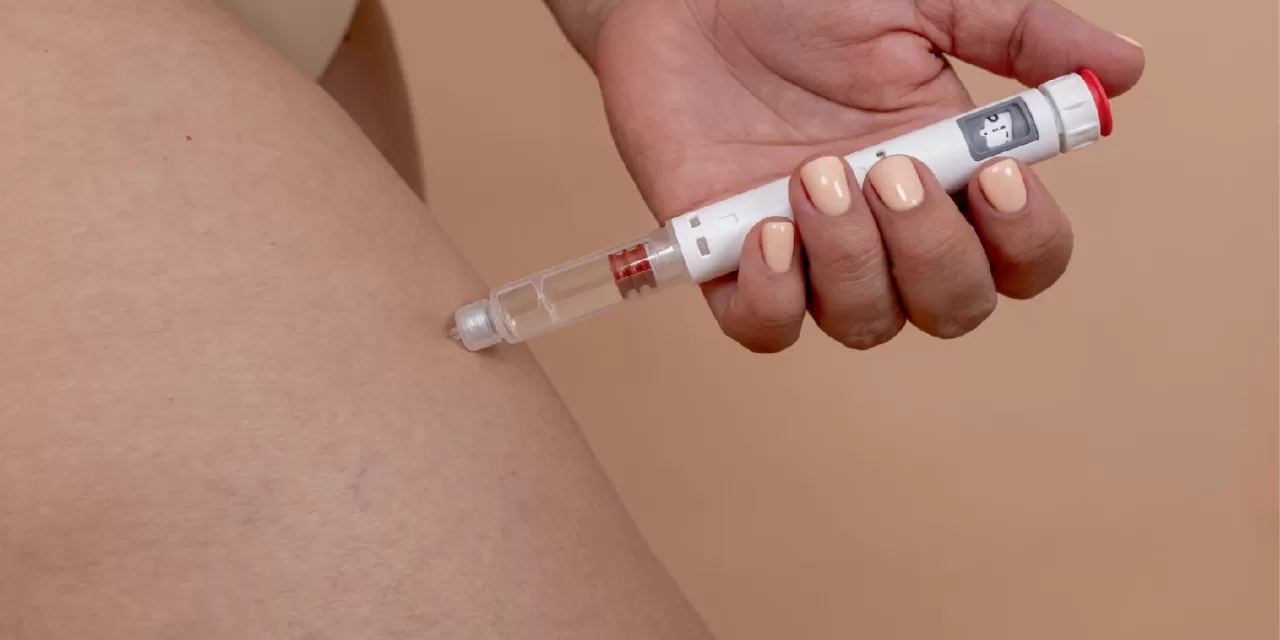
ATHENS, Greece — A groundbreaking study presented this week at the European Atherosclerosis Society (EAS) Congress 2026 reveals that individuals using Ozempic (semaglutide) for weight loss must pair the medication with regular physical exercise to preserve crucial muscle mass and optimize metabolic health. The research demonstrates that combining semaglutide with a structured exercise regimen produced a 45% reduction in fat mass while limiting muscle loss to just 8%. Conversely, using the medication alone resulted in a lower fat loss of 31% alongside a significantly higher muscle mass loss of 11%.
The Findings: Exercise Unlocks Semaglutide’s Full Potential
Researchers evaluated the dual approach using pre-clinical models presenting with obesity, insulin resistance, fatty liver disease, and atherosclerosis—conditions that closely mirror metabolic syndrome in humans. The subjects were monitored over a 14-week period and divided into four distinct groups: semaglutide alone, exercise alone, a combination of both therapies, or no treatment.
The data revealed sharp contrasts between the intervention groups:
| Treatment Group | Fat Mass Reduction | Lean Mass Loss | Muscle Function & Strength |
| Semaglutide Alone | 31% | 11% | No significant improvement |
| Exercise Alone | Minimal | Minimal | No significant improvement |
| Combination Therapy | 45% | 8% | Significant improvement |
| Control (No Treatment) | 0% | 0% | No change |
Notably, only the cohort receiving the combination therapy of semaglutide and exercise exhibited significant improvements in grip strength and muscle fiber size, which serve as critical clinical indicators of overall physical function. Neither intervention on its own produced comparable functional upgrades, pointing to a unique synergistic effect when the drug and physical activity are paired.
Why Muscle Mass Protection is a Critical Clinical Priority
Semaglutide belongs to a class of medications known as GLP-1 (glucagon-like peptide-1) receptor agonists. By mimicking natural hormones to delay gastric emptying and signal fullness to the brain, these medications have revolutionized weight management, helping patients achieve an average of 15% to 20% weight reduction. However, rapid weight loss inherently carries a well-documented risk to lean tissue.
“Rapid weight reduction can lead to a 15% to 25% loss of total lean mass,” explains Dr. Keith Baar, PhD, an exercise physiologist and professor of Neurobiology, Physiology, and Behavior at UC Davis, who was not involved in the EAS study. “Lean mass encompasses everything that isn’t fat—including skeletal muscle, bones, and vital organs. When you lose a substantial amount of muscle, you risk altering your foundational physiology.”
Accelerated muscle loss during medical weight management introduces several clinical and practical concerns:
-
Suppressed Metabolic Rate: Skeletal muscle is highly metabolically active; losing it reduces the number of calories the body burns at rest, which can stall progress.
-
Increased Risk of Weight Regain: A lower metabolic rate often makes maintaining long-term weight loss substantially harder once medication doses are altered or paused.
-
Functional Decline: Reductions in muscle strength can compromise physical mobility, balance, and overall structural stamina.
Promisingly, a concurrent human study from the University of Utah indicated that not all lost lean mass stems from skeletal muscle. Their imaging data showed that while semaglutide-induced weight loss decreased overall lean mass by roughly 10%, a major portion of that loss came from the reduction of ectopic fat and organ volume—such as the liver shrinking toward a healthier size—while actual skeletal muscle tissue shrank by a more modest 6%.
Broadening Metabolic and Cardiovascular Benefits
The data presented at the EAS Congress indicated that the benefits of combining exercise with GLP-1 therapies extend far beyond muscle preservation. Detailed histological and tissue analyses revealed that the combination therapy targeted several underlying markers of cardiovascular and metabolic disease:
-
Inflammation Resolution: Lowered inflammatory markers within both adipose (fat) and liver tissues.
-
Hepatic Steatosis Reduction: Accelerated clearance of accumulated fat within the liver.
-
Atherosclerotic Stabilization: A measurable reduction in the size of fatty plaque deposits within the arterial walls, lowering long-term cardiovascular risks.
Expert Perspectives: Lifestyle is Non-Negotiable
Medical experts emphasize that these findings should reshape how anti-obesity medications are prescribed.
“The findings offer reassurance that exercise may directly address major clinical concerns regarding muscle loss during semaglutide treatment,” the research team noted during their presentation.
Dr. J. Wouter Jukema, MD, PhD, Professor of Cardiology at Leiden University Medical Center and a co-investigator on the study, emphasized the clinical reality for patients:
“Medication alone may not be enough to achieve the best possible long-term physiological results. Exercise remains fundamentally important to optimize body composition and truly restore cardiovascular health.”
This perspective aligns with a separate human clinical trial secondary analysis published in Sports Medicine. That research found that adults with obesity who utilized GLP-1 therapies only achieved meaningful gains in cardiorespiratory fitness and functional mobility if they participated in a structured, formal exercise program alongside taking the medication.
Practical Recommendations for Patients
To safe-keep muscle mass and foster metabolic health while utilizing GLP-1 medications, clinical guidelines recommend a structured lifestyle protocol:
1. Progressive Resistance Training
-
Frequency: 2 to 3 strength-training sessions per week, ensuring all major muscle groups are engaged.
-
Intensity: Utilizing moderate-to-heavy resistance (aiming for 8 to 12 repetitions per set) to stimulate muscle protein synthesis.
-
Timing: Initiating a structured resistance routine within the first 2 to 3 weeks of beginning GLP-1 therapy.
2. Targeted Dietary Protein Intake
-
Daily Target: Consuming between 1.6 and 2.2 grams of protein per kilogram of body weight daily, adjusted for individual renal health.
-
Distribution: Aiming for 25 to 40 grams of protein per meal to consistently signal muscle repair and preservation.
3. Cardiovascular Conditioning
-
Duration: At least 150 minutes of moderate-intensity aerobic physical activity (such as brisk walking, swimming, or cycling) spread across the week.
Current Limitations and Counterarguments
While the findings from the EAS Congress 2026 study provide strong mechanistic insights, clinicians note that the primary data set was derived from pre-clinical animal models. Human responses to weight loss medications can vary based on genetics, age, and pre-existing health status.
Furthermore, data regarding muscle performance on GLP-1 drugs remains nuanced. For instance, the human SEMALEAN clinical trial followed 115 patients and observed that semaglutide 2.4 mg successfully improved handgrip strength by 4.5 kg over 12 months, reducing the prevalence of sarcopenic obesity from 49% to 33%. Conversely, separate retrospective observational data involving older adults with type 2 diabetes indicated that prolonged, high-dose GLP-1 usage without lifestyle interventions could accelerate age-related sarcopenia (muscle wasting).
These mixed outcomes suggest that age and baseline fitness levels are critical variables, making personalized physical therapy and nutritional counseling essential components of modern metabolic care.
What This Means for Your Health Decisions
For individuals currently prescribed or considering semaglutide therapies, the clinical takeaway is definitive: these medications are powerful tools for weight management, but they are designed to work in tandem with healthy lifestyle behaviors, not as a replacement for them.
Losing weight on a scale is not entirely synonymous with improving long-term metabolic or cardiovascular fitness. For sustainable health outcomes and the preservation of lifelong physical strength, integrating regular exercise with medical therapy remains essential.
Medical Disclaimer
Medical Disclaimer: This article is for informational purposes only and should not be considered medical advice. Always consult with qualified healthcare professionals before making any health-related decisions or changes to your treatment plan. The information presented here is based on current research and expert opinions, which may evolve as new evidence emerges.
References
- https://www.ndtv.com/health/weight-management/taking-ozempic-new-study-explains-why-pairing-it-with-exercise-is-important-for-your-muscles-11568943