 0
0
 0
0
Published: July 28, 2026
When an 82-year-old woman arrived at the hospital suffering from severe abdominal pain and intractable constipation, standard clinical interventions quickly stalled. Traditional therapies—including oral laxatives like senna and polyethylene glycol, alongside standard sodium phosphate enemas—failed to dislodge a dense, hardened mass of stool known as a fecaloma.
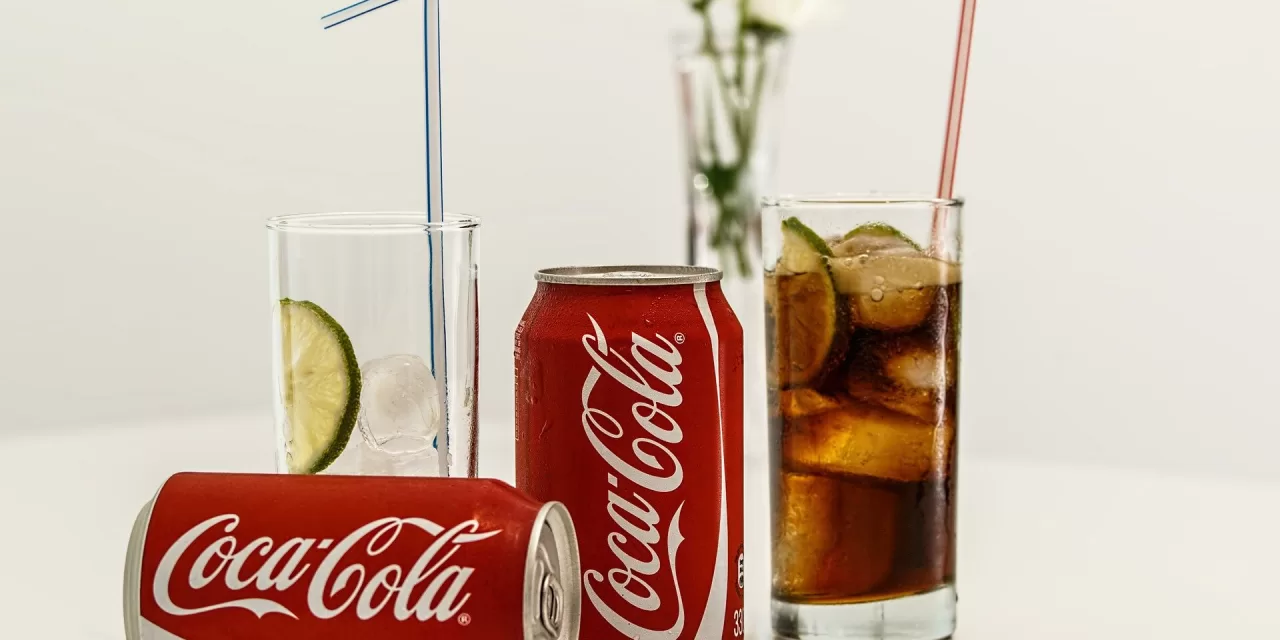
Facing the potential need for invasive surgical intervention, clinicians turned to an unconventional rescue maneuver: administering two large-volume Coca-Cola enemas. The intervention proved successful. The acidic, carbonated beverage broke down the hardened mass sufficiently to resolve the obstruction and avoid surgery.
While the case—recently highlighted in medical literature and news reports—demonstrates clinical ingenuity in an emergency setting, medical experts warn that this off-label rescue therapy should never be attempted at home.
The Medical Case: From Fecal Impaction to Hospital Intervention
Fecal impaction occurs when severe constipation leads to a large, hard mass of stool lodged in the rectum or colon that cannot be passed voluntarily. In older adults, this condition can escalate rapidly into a medical emergency.
According to a case report published in the Revista Española de Enfermedades Digestivas (Spanish Journal of Digestive Diseases), the patient’s fecaloma had caused a colonic obstruction that resisted first- and second-line medical management.
To avert emergency surgery, the medical team delivered two targeted Coca-Cola enemas directly into the colon under clinical supervision. Following the administration, the fecaloma shrunk significantly, allowing the patient to pass the remaining stool and experience complete symptom relief.
Standard Treatment Escalation for Severe Constipation:

[Step 1: Oral Laxatives / Hydration]
                   │
                   ▼ (If unsuccessful)
[Step 2: Standard Enemas / Suppositories]
                   │
                   ▼ (If refractory/impaction occurs)
[Step 3: Hospital Manual Disimpaction / Off-Label Rescue Therapies]
                   │
                   ▼ (If failed)
[Step 4: Surgical Intervention]
Why Soda? The Science Behind the Unconventional Rescue
The use of carbonated soft drinks in gastroenterology is not entirely unprecedented, though its application as an enema remains exceptionally rare. For years, clinicians have occasionally used Coca-Cola to dissolve phytobezoars—dense indigestible masses of plant material lodged in the stomach.
Medical researchers hypothesize that the beverage’s specific chemical profile drives its therapeutic effect:
-
High Acidity: Coca-Cola contains phosphoric acid, giving it a low pH (approximately 2.6) similar to natural gastric acid. This acidity helps break down complex organic matrices.
-
Carbonation: The release of carbon dioxide bubbles within the compact mass may create micro-fissures, softening the structure from within.
-
Mucolytic Action: The combination of sugar, sodium bicarbonate, and fluid dynamics may assist in penetrating dense mucosal barriers.
Despite these theoretical mechanisms, researchers stress that the evidence supporting soda enemas remains limited strictly to isolated case reports. It remains an unapproved, off-label rescue tactic rather than an evidence-based medical treatment.
The Danger of At-Home DIY Enemas
While the outcome for the 82-year-old patient was positive, gastroenterologists strongly caution against using soft drinks, coffee, or homemade solutions as DIY constipation remedies.
“What succeeds in an emergency room or specialized hospital ward under continuous monitoring can be dangerous—or even fatal—when attempted at home,” cautions Dr. Aris Thorne, a board-certified gastroenterologist not involved in the published case report. “The human colon is lined with delicate mucosal tissue. Introducing non-sterile, acidic, or hypertonic fluids without proper medical oversight carries significant risk.”
Potential Risks of Unsupervised Enemas:
-
Bowel Perforation: Improper insertion or pressure can tear the intestinal wall, leading to life-threatening sepsis.
-
Electrolyte Imbalance: The colon rapidly absorbs fluids and solutes. Large-volume non-physiological enemas can trigger severe metabolic disruptions, particularly in individuals with kidney or heart conditions.
-
Tissue Irritation and Chemical Colitis: Acids and additives can cause severe mucosal inflammation and damage.
-
Infection: Non-sterile liquids introduce harmful bacteria directly into vulnerable, inflamed tissues.
Furthermore, over-the-counter options like sodium phosphate enemas carry specific warnings for older adults and individuals with kidney impairment, reinforcing that even commercially available products require cautious use.
Chronic Constipation in Vulnerable Populations
Severe constipation and fecal impaction represent a major public health concern, particularly among aging populations. Research published in Canadian Family Physician indicates that constipation affects a significant portion of adults over age 65 and up to 80% of individuals residing in long-term care facilities.
Several factors contribute to this heightened risk:
| Risk Factor Category | Contributing Factors |
| Physiological | Reduced gut motility, weakened pelvic floor muscles, blunted thirst signals leading to dehydration. |
| Lifestyle | Decreased physical mobility, low dietary fiber intake. |
| Medical Conditions | Diabetes, Parkinson’s disease, neurological disorders, depression. |
| Pharmacological | Regular use of anticholinergics, calcium channel blockers, opioids, iron supplements, antihistamines, and diuretics. |
Because constipation often develops gradually, early symptoms—such as infrequent bowel movements, hard stools, bloating, and excessive straining—are frequently overlooked until a severe blockage develops.
Evidence-Based Approaches to Constipation Management
For the general public, standard medical guidance remains the safest and most effective way to prevent and manage constipation. Healthcare providers recommend a structured, stepwise approach:
-
Hydration and Dietary Fiber: Gradually increase dietary fiber (25–30 grams daily) alongside adequate fluid intake, unless restricted by a physician for kidney or heart health.
-
Physical Activity: Regular daily movement helps stimulate natural intestinal peristalsis.
-
Medication Review: Consult a primary care provider to evaluate whether current prescription or over-the-counter medications are contributing to bowel sluggishness.
-
First-Line Pharmacotherapy: Under medical guidance, osmotic laxatives (such as polyethylene glycol) or stool softeners are generally preferred for short-term management over harsh stimulants.
The Takeaway: Leave Experimental Care to the Experts
The case of the 82-year-old patient highlights clinical adaptability when standard options fail, but it does not validate carbonated soda as a routine or safe home remedy.
When persistent abdominal pain, nausea, vomiting, or an inability to pass gas or stool occurs, immediate evaluation by a qualified medical professional is essential. Severe bowel conditions require precise diagnostic imaging and evidence-based care—not improvised household fixes.
References
-
Deccan Herald. How Coca-Cola enema cured chronic constipation in 82-year-old woman. Published July 27, 2026.
Medical Disclaimer: This article is for informational purposes only and should not be considered medical advice. Always consult with qualified healthcare professionals before making any health-related decisions or changes to your treatment plan. The information presented here is based on current research and expert opinions, which may evolve as new evidence emerges.