 0
0
 0
0
ATLANTA — A rapidly expanding multistate outbreak of Cyclospora infections linked to iceberg lettuce imported from central Mexico has grown to 1,947 confirmed cases across nine U.S. states, health officials confirmed this week. According to the Centers for Disease Control and Prevention (CDC), the outbreak has resulted in at least 98 hospitalizations. While no deaths have been reported, public health agencies warn that the official tally represents only a fraction of true infections, as many affected individuals do not seek medical care or undergo specialized testing.
Epidemiologic and supply-chain traceback data continuously point to iceberg lettuce processed by Taylor Farms de Mexico as the primary vector. In response, federal authorities have issued widespread recalls covering iceberg lettuce sourced from the central Mexico region, affecting major grocery retailers, food service distributors, and restaurant chains nationwide.
Expert Warning: Evidence Hints at Systemic Contamination
The scale and geographic dispersion of cases have drawn intense concern from food safety experts and regulatory veterans. Former Food and Drug Administration (FDA) Commissioner Dr. Scott Gottlieb noted in public comments that the current epidemiological pattern suggests a regional, systemic event rather than a localized packinghouse error.
“The distribution of cases across multiple supply lines indicates potential contamination at the agricultural source in central Mexico,” Dr. Gottlieb stated. He highlighted several potential environmental pathways currently under consideration by field investigators, including contaminated agricultural irrigation water, agricultural run-off following recent flooding, or direct municipal sewage exposure.
However, health officials emphasize that pinpointing the initial environmental source remains an ongoing challenge. Mexico’s health and agriculture ministries issued a joint response cautioning that supply-chain traceback data alone does not constitute definitive laboratory proof of field-level contamination, calling for rigorous environmental sampling before conclusions are finalized. In response, the FDA has intensified border screening protocols and expanded sampling of fresh produce entering the U.S. from affected regions.
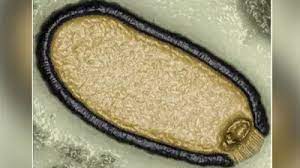
Anatomy of the Microscopic Parasite
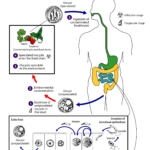
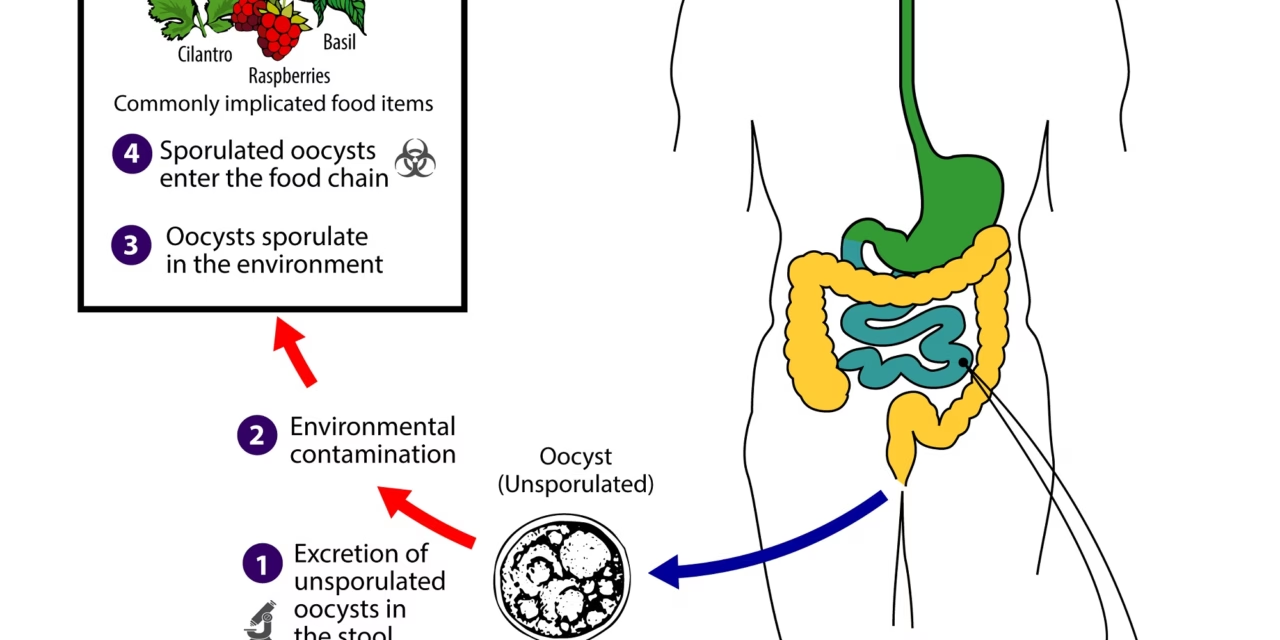
Cyclospora cayetanensis is a single-celled, microscopic parasite that causes cyclosporiasis, an intestinal illness characterized by severe gastrointestinal distress.
[ Ingestion of Contaminated Food/Water ]
                  │
                  ▼
   [ Incubation: 2 Days to 2+ Weeks ]
                  │
                  ▼
[ Symptoms: Diarrhea, Cramping, Nausea, Fatigue ]
Symptoms typically surface roughly one week after ingesting contaminated food or water, though incubation can range from 2 days to over two weeks.
Key Clinical Indicators:
-
Watery Diarrhea: Frequent, sometimes explosive bowel movements lasting weeks if untreated.
-
Profound Fatigue: Exhaustion paired with significant body aches.
-
Gastrointestinal Distress: Severe abdominal cramping, bloating, flatulence, and persistent nausea.
-
Appetite & Weight Loss: Loss of appetite leading to unintended weight reduction.
Why Fresh Produce Poses High Parasitic Risks
Fresh leafy greens present a unique public health vulnerability because they are usually consumed raw. Unlike meat or poultry, fresh salads lack a thermal “kill step” (cooking) during typical preparation to neutralize pathogens.
Furthermore, Cyclospora possesses a tough outer shell that makes it remarkably resilient. Standard kitchen practices—such as washing produce under running tap water—can reduce surface dirt and lower parasite loads, but washing alone cannot guarantee complete removal. The CDC notes that heating produce to an internal temperature of at least 158°F (70°C) effectively destroys the parasite, but this is rarely applicable to crisp salad greens like iceberg lettuce.
Implications for Public Health and Supply Chains
The outbreak has disrupted agricultural distribution channels across North America. Several major U.S. restaurant chains, grocery brands, and institutional food distributors have voluntarily suspended produce sourcing from central Mexico until environmental safety audits are completed.
[ Contaminated Field / Irrigation Water ]
                  │
                  ▼
   [ Regional Processing Facility ]
                  │
                  ▼
[ Multi-State Distribution to Retail & Dining ]
When agricultural contamination occurs upstream—such as in shared regional irrigation canals—the pathogen quickly spreads across multiple farms, processing facilities, and brand labels. This systemic vulnerability explains why single-source outbreaks can rapidly cascade across multiple state lines.
Critical Diagnostic Guidance for Clinicians
For healthcare providers, this outbreak underscores diagnostic nuances in routine clinical care. Standard stool cultures and routine panel tests for common bacterial pathogens (like Salmonella or E. coli) do not automatically detect Cyclospora. Medical professionals evaluating patients with persistent, watery diarrhea following fresh produce consumption must explicitly order Ova and Parasite (O&P) stool examinations or specific gastrointestinal molecular PCR panels capable of identifying Cyclospora DNA.
Outbreak Context and Limitations
Epidemiologists caution against assuming every current case of stomach illness is tied to this specific event. The CDC is concurrently tracking baseline, non-outbreak-associated Cyclospora infections nationwide, as well as unrelated foodborne clusters.
Attributing individual illnesses to specific produce lines requires careful laboratory confirmation via DNA fingerprinting alongside thorough patient exposure interviews. Because recalled items were distributed through complex commercial supply networks, investigators must cross-examine purchase records to distinguish outbreak cases from background seasonal spikes.
Actionable Steps for Consumers
Health authorities strongly urge consumers, food service workers, and retailers to follow strict handling precautions to mitigate exposure risk:
-
Check and Discard: Immediately check refrigerators for recalled iceberg lettuce products originating from central Mexico. Throw them away in sealed bags or return them to the place of purchase. Do not attempt to wash or cook recalled produce.
-
Sanitize Surfaces: Thoroughly wash and sanitize any refrigerator drawers, cutting boards, counter surfaces, or utensils that came into direct contact with recalled produce using hot, soapy water.
-
Practice Basic Hygiene: Wash hands thoroughly with soap and warm water for at least 20 seconds before and after handling fresh fruits and vegetables.
-
Monitor Health Status: Individuals experiencing prolonged watery diarrhea, stomach cramps, or severe fatigue after consuming fresh produce should contact a healthcare provider promptly. Informing local health departments during exposure interviews helps public health officials isolate contamination sources faster.
References
-
Reuters. Mahatole, S. Former FDA chief says central Mexico may have broad cyclosporiasis contamination. News Report, Published July 27, 2026.
Medical Disclaimer: This article is for informational purposes only and should not be considered medical advice. Always consult with qualified healthcare professionals before making any health-related decisions or changes to your treatment plan. The information presented here is based on current research and expert opinions, which may evolve as new evidence emerges.