 0
0
 0
0
KINSHASA — The ongoing Ebola virus disease outbreak in the Democratic Republic of the Congo (DRC) has reached a critical threshold, with confirmed cases surpassing 3,200 and the official death toll climbing to 1,405. According to situational updates from DRC health authorities and the World Health Organization (WHO) released in late July 2026, the epidemic—which was first declared in May—continues to expand rapidly across five provinces. Heavily concentrated in the conflict-affected northeastern province of Ituri, the resurgence is severely overwhelming regional health infrastructure, complicating containment efforts, and heightening cross-border health security risks throughout East Africa.
Surging Numbers Highlight Accelerated Transmission
Data published by the DRC Ministry of Public Health indicates that as of late July, the country has recorded 3,200 confirmed Ebola cases, 1,405 deaths, and 571 patient recoveries, with 773 individuals currently receiving care in designated isolation facilities. In a single 24-hour period, health teams documented 125 new confirmed infections and 51 confirmed deaths, underscoring the high rate of ongoing community transmission.
Ituri province remains the primary epicenter, accounting for roughly 89 percent of all confirmed cases nationwide. As local transmission continues unabated, specialized Ebola Treatment Units (ETUs) are experiencing unsustainable operational pressure. In neighboring North Kivu province, health authorities reported 171 patients admitted to isolation facilities designed with a maximum capacity of 141 beds—representing a bed occupancy rate of 121.3 percent. Nationwide, isolation bed occupancy stands at 82.1 percent.
Public health specialists emphasize that occupancy exceeding 100 percent poses severe operational hazards. Overcrowded isolation units increase the risk of nosocomial (hospital-acquired) infections, exhaust frontline healthcare staff, and lead to treatment delays for critical patients.
Understanding the Bundibugyo Strain
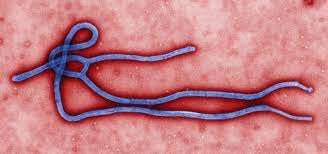
Unlike previous high-profile Ebola epidemics in the region, which were predominantly caused by the Zaire ebolavirus species, the current outbreak is driven by the Bundibugyo ebolavirus. Bundibugyo virus disease is a rare, severe viral hemorrhagic fever transmitted through direct contact with blood, secretions, organs, or other bodily fluids of infected people or contaminated surfaces. Symptoms typically appear after an incubation period of 2 to 21 days and include fever, severe muscle weakness, headache, sore throat, vomiting, diarrhea, and in some cases, internal and external bleeding.
Key Clinical Distinction: While vaccines such as Ervebo and targeted monoclonal antibody treatments (mAb114 and REGN-EB3) have proven highly effective against the Zaire strain, there are currently no licensed vaccines or specific antiviral therapeutics approved for the Bundibugyo virus.
Consequently, clinical management relies entirely on optimized supportive care. This includes early fluid replacement (rehydration), symptomatic relief, blood transfusion therapy when necessary, and prompt treatment of secondary infections. Epidemiological evidence indicates that early supportive treatment significantly improves survival rates among individuals infected with the Bundibugyo virus.
Conflict, Mobility, and Challenges to Containment
A combination of environmental, socio-economic, and security factors makes containing this epidemic uniquely complex. Eastern DRC has suffered decades of armed conflict involving numerous insurgent groups. Insecurity frequently impedes rapid-response teams, restricts humanitarian access, and forces health workers to temporarily halt contact tracing.
Furthermore, extensive population mobility accelerates viral dispersion. Ituri’s economy relies heavily on informal, artisanal mining activities, drawing thousands of itinerant workers who move frequently between remote forest camps, urban hubs, and surrounding villages. Cross-border commerce and refugee movements along the porous frontiers with Uganda and South Sudan have also led to secondary international exposures, prompting the WHO to maintain its declaration of a Public Health Emergency of International Concern (PHEIC).
In addition to mobility, mistrust and deep-seated fears regarding medical interventions remain major hurdles. In several communities, traditional mourning and burial practices—which often involve close contact with the deceased—continue to act as superspreader events.
Expert Perspectives on Outbreak Management
Global health leaders stress that epidemiological containment in volatile settings requires prioritizing community engagement alongside medical interventions.
“Containing viral hemorrhagic fevers in conflict zones is never purely a biological challenge; it is fundamentally a social and human security challenge,” explains Dr. Aris Thorne, an independent epidemiologist and global health security researcher not directly involved in the response. “When medical teams deploy without established local trust, community members may avoid healthcare facilities or isolate sick loved ones at home out of fear. Without community buy-in, contact tracing and safe burial protocols cannot succeed.”
The WHO and Africa CDC have scaled up field deployments to support local healthcare workers, focusing on surveillance, infection prevention and control (IPC) protocols in primary health clinics, cross-border monitoring points, and risk communication initiatives.
Public Health Implications and Practical Recommendations
For healthcare systems regionally and internationally, the outbreak reinforces the imperative for strict infection control measures and heightened diagnostic vigilance. Because initial symptoms of Ebola mirror common regional endemic illnesses such as malaria, typhoid fever, and dengue, clinicians must obtain detailed travel histories for patients presenting with acute febrile illnesses.
Public health agencies advise individuals residing in or traveling near affected regions to adhere strictly to the following precautions:
-
Avoid Direct Contact: Refrain from unprotected contact with bodily fluids, blood, or personal items of anyone exhibiting signs of illness.
-
Safe Burial Practices: Ensure deceased family members suspected of having Ebola are handled exclusively by trained safe and dignified burial teams.
-
Hygiene Compliance: Practice frequent hand hygiene using soap and clean water or alcohol-based hand sanitizers.
-
Prompt Medical Evaluation: Seek immediate evaluation at designated health centers if fever, unusual fatigue, or gastrointestinal symptoms develop following potential exposure.
Scientific Limitations and Data Considerations
Epidemiologists advise caution when interpreting daily epidemiological updates during an active epidemic. Rapid jumps in case counts often reflect the clearing of laboratory testing backlogs, enhanced retrospective case-finding, or expanded contact tracing rather than a sudden spike in daily transmission rates. Conversely, ongoing security constraints in remote health zones mean that under-reporting of cases and community deaths remains a possibility.
Furthermore, researchers caution against assuming that intervention strategies successful during previous outbreaks can be copied directly. The absence of an approved vaccine against the Bundibugyo strain necessitates a complete reliance on classical public health tools: rapid case detection, strict isolation, thorough contact tracing, and community-led risk communication.
References
-
Xinhua News Agency. (2026, July 27). DR Congo’s confirmed Ebola cases top 3,200 as outbreak remains in sustained transmission.
Medical Disclaimer: This article is for informational purposes only and should not be considered medical advice. Always consult with qualified healthcare professionals before making any health-related decisions or changes to your treatment plan. The information presented here is based on current research and expert opinions, which may evolve as new evidence emerges.