 0
0
 0
0
CANBERRA, Australia — The Australian federal government has announced an emergency $7.2 million funding package to combat the country’s largest diphtheria outbreak on record. Health authorities are racing to contain the vaccine-preventable bacterial disease as it spreads across four states and territories, with at least 230 confirmed cases and one confirmed fatality. The crisis underscores a sharp decline in routine childhood immunizations, prompting urgent public health interventions to safeguard vulnerable populations.
Record-Breaking Outbreak Spreads Across Multiple States
Data from the National Notifiable Disease Surveillance System (NNDSS) indicates that the 230 confirmed cases recorded this year represent a staggering 30-fold increase over the country’s five-year annual average. This marks the most significant resurgence of the disease since national record-keeping began 35 years ago.
The geographic spread of the infection highlights its rapid transmission:
-
The Northern Territory: The epicenter of the crisis, accounting for approximately 60% of all reported cases.
-
Interstate Transmission: Active transmission chains have been confirmed across Western Australia, South Australia, and Queensland.
-
Fatalities: The Northern Territory recently recorded Australia’s first diphtheria-related death in nearly a decade, occurring in a remote region.
“We have been tracking national case numbers for approximately 35 years, and this outbreak is, by a considerable margin, the largest we have encountered,” an Australian public health official familiar with the surveillance data confirmed.
Inside the Federal Emergency Response Package
In response to the escalating public health crisis, the Albanese Government finalized a $7.2 million emergency package designed to provide immediate clinical surge capacity and targeted community support.
Emergency Funding Allocation ($7.2M Total)
├── $5.2 Million: National Critical Care and Trauma Response Centre
│   └── Surge workforce, booster delivery, vaccine/antibiotic procurement
└── $2.0 Million: National Aboriginal Community Controlled Health Organisation
    └── Culturally safe communication, community liaison, on-ground support
Federal Health Minister Mark Butler emphasized the gravity of the situation during a press briefing on the New South Wales Central Coast. “This is a very serious outbreak of a very serious disease,” Minister Butler stated. “While I know the Aboriginal Community Controlled Health Services in these communities are working extremely hard to protect their most vulnerable, this package will ensure those Australians that need the vaccine will get access quickly and appropriately.”
Understanding Diphtheria: The Return of a Once-Rare Disease
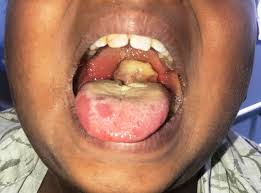
Diphtheria is an acute, highly infectious disease caused by the bacterium Corynebacterium diphtheriae. The bacteria produce a potent toxin that destroys healthy tissues in the respiratory system.
Within two to three days of infection, the dead tissue forms a thick, gray pseudomembrane coating the nose, tonsils, and throat, which can severely obstruct breathing and swallowing.
Signs & Symptoms of Respiratory Diphtheria:
• Sore throat and acute fever
• Swollen neck glands ("bull neck" appearance)
• Systemic weakness
• Formation of a thick, gray membrane in the upper airway
The bacteria spread primarily through respiratory droplets from coughing or sneezing, though transmission can also occur via contact with infected skin lesions. According to data from the World Health Organization (WHO), the disease carries a mortality rate of approximately 30% in unvaccinated individuals who do not receive prompt treatment, with young children facing the highest risk of fatal complications.
Standard medical management requires a combination of definitive treatments:
“Treatment for diphtheria includes antibiotics to eliminate the bacteria. For serious illnesses, diphtheria antitoxin is used to stop the bacterial toxin from causing damage,” reports the World Health Organization.
Falling Vaccination Rates Drive the Resurgence
Public health experts point to eroding herd immunity as the primary driver behind the outbreak. To maintain community protection against diphtheria, health organizations typically recommend a sustained immunization coverage threshold of 95%.
However, data from the Australian Immunisation Register (AIR) reveals a systemic downward trend over the last five years. For the first time since 2014, coverage for two-year-old children has plummeted below the critical 90% threshold.
| Age Group | 2020 Coverage Rate | 2024 Coverage Rate |
| 1-Year-Olds | 94.8% | 91.6% |
| 2-Year-Olds | 92.1% | 89.4% |
| 5-Year-Olds | 94.8% | 92.7% |
Australian Medical Association (AMA) President Dr. Danielle McMullen warned that these figures explain the current trajectory of the disease. Speaking publicly, Dr. McMullen noted that the routine childhood immunization coverage—which includes the diphtheria toxoid vaccine—dropped to its lowest point in five years as of 2025, directly driving the surge in cases.
Sociological data points to shifting public perceptions as a major hurdle. A recent survey of 2,000 parents conducted by the National Vaccination Insights Project revealed that misinformation remains a key barrier. Among parents with unvaccinated children, nearly half stated they believed routine vaccines were unsafe, while 40% expressed skepticism regarding their efficacy.
Disproportionate Impact on Indigenous Communities
The current epidemic has disproportionately affected remote Aboriginal communities, exposing deep-seated health inequities regarding healthcare access, infrastructure, and overcrowding in remote regions.
“Diphtheria vaccines used in Australia are safe, effective, and one of the best protections we have against serious illness,” said Assistant Minister Malarndirri McCarthy (Assistant Minister for Indigenous Australians), acknowledging the anxiety circulating among affected families. “The Aboriginal Community Controlled health sector is doing extraordinary work reaching families with culturally safe care and information during this outbreak.”
Local public health leaders have welcomed the federal intervention but stress that the support must be sustained. Dr. John Boffa, a public health officer at the Central Australian Aboriginal Congress, emphasized the operational necessity of the funds: “I understand that the Commonwealth plans to provide substantial additional allocation to the Territory over the next six months, which is essential.”
In tandem with federal measures, individual states are ramping up defenses. New South Wales health authorities announced a proactive, targeted initiative providing free vaccines to Aboriginal Medical Services and general practitioners statewide. The free booster doses are accessible to any Aboriginal and Torres Strait Islander adult who has not received a diphtheria immunization within the past ten years.
Public Health Implications and Systemic Challenges
The swift return of a disease that was once virtually eradicated in Australia carries broad public health implications.
-
Healthcare System Strain: Clinical management of the current outbreak has tested regional resources. Approximately 25% of all diagnosed individuals have required acute hospitalization to manage airway obstructions or monitor for cardiac complications caused by the toxin.
-
Risk of Co-Outbreaks: Virologists across Australia have expressed concerns that if overall immunization rates continue to lapse, other highly contagious vaccine-preventable diseases, such as measles and rubella, could rapidly resurge.
-
Global Treatment Shortages: The outbreak arrives amidst challenging clinical limitations. The WHO notes that several circulating strains of C. diphtheriae have shown emerging resistance to common antimicrobial drugs. Furthermore, a critical, long-standing global shortage of Diphtheria Antitoxin (DAT) complicates the management of severe, advanced cases.
What This Means for the Public
For everyday citizens and health-conscious families, the outbreak serves as an urgent reminder to audit personal health records. Clinical protection against diphtheria wanes over time, meaning adults require periodic boosters to maintain immunity.
The Australian National Immunisation Program recommends a multi-dose schedule across a lifespan:
-
Infants: Primary doses administered at 2, 4, and 6 months of age.
-
Toddlers & Children: Booster doses at 18 months and 4 years of age.
-
Adolescents: A booster dose between 11 and 13 years of age (typically delivered via school programs).
-
Adults: A routine booster at 50 years of age, or every 5 to 10 years for individuals traveling to high-risk areas or those with specific health vulnerabilities.
“The diphtheria vaccine is safe and it is an incredibly effective tool against disease,” Minister Butler reiterated, urging those who are overdue or unsure of their immunization status to contact their general practitioner or local health clinic.
Looking Forward
The federal government has committed to monitoring national transmission patterns and adjusting resources across states as required. Ultimately, public health authorities stress that reversing the current trend will require more than emergency funding. Long-term success depends on rebuilding widespread public trust in immunizations, addressing systemic healthcare gaps in remote regions, and maintaining high vaccination rates across all age demographics.
Medical Disclaimer
Medical Disclaimer: This article is for informational purposes only and should not be considered medical advice. Always consult with qualified healthcare professionals before making any health-related decisions or changes to your treatment plan. The information presented here is based on current research and expert opinions, which may evolve as new evidence emerges.
References
Government & Public Health Sources
-
Australian Government Department of Health and Aged Care: Media Release, “7.2 million response package to Diphtheria outbreak,” published May 20, 2026.