 0
0
 0
0
KOCHI, India — Leading medical professionals and health advocates are calling for an urgent overhaul of how high-risk anaesthetic medications are tracked and stored within hospitals. The appeal, issued from Kochi on June 27, 2026, follows a troubling series of recent deaths among doctors and healthcare staff involving potent pharmaceuticals typically reserved for operating theatres and intensive care units (ICUs). Driven by growing anxieties over professional well-being, regulators are being urged to treat the issue not only as an internal mental health crisis but as a critical challenge for drug accountability and institutional safety.
The growing demand highlights a complex intersection of workplace pressure and the sheer physical availability of lethal means. While medical institutions have historically focused on treating burnout after it manifests, senior specialists argue that the current systems regulating drug workflows leave a dangerous gap in staff protection.
The Core Challenge: The Gap in Clinical Workflows
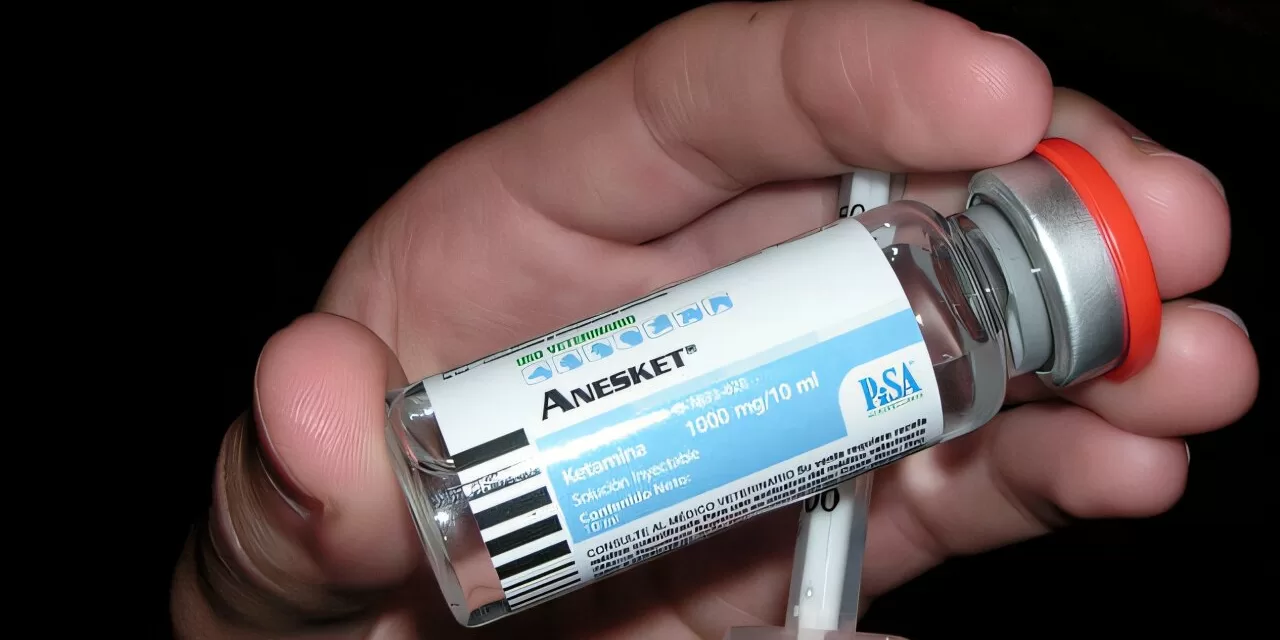
At the heart of the debate is how high-potency sedatives and analgesics are handled once they enter busy hospital units. Under existing protocols, standard drug categories do not sufficiently restrict an individual clinician’s physical access during a moment of personal crisis.
[Current Workflow: Open/Manual Access] ➔ High risk of unlogged diversion
[Proposed Workflow: Automated Dispensing Cabinets] ➔ Real-time logs & biometric accountability
“The problem has evolved into one of access, accountability, and regulation,” explains Dr. S. Anzar, a veteran clinician advocating for reform.
Currently, many hospitals rely on manual logging systems that depend heavily on busy staff members self-reporting. Dr. Harris Azees, an anaesthetist familiar with the operational gaps, points out that standard regulatory classifications, such as India’s Schedule H designation, no longer reflect the acute risks linked to these ultra-potent drugs within clinical environments.
To address this, specialty groups are lobbying for the mandatory implementation of Automated Drug Dispensing Cabinets (ADDCs) in operating theatres, ICUs, and emergency departments. These electronic systems require biometric validation or unique staff credentials, creating a definitive digital footprint by logging exactly who accessed a drug, when it was removed, and the precise volume issued.
Investigating the Data: A Specialized Vulnerability
The vulnerability of operating room staff to severe mental health outcomes is well-documented globally. A comprehensive 2021 systematic review published in the journal Anaesthesia evaluated 54 relevant studies spanning three decades. The findings revealed that anaesthetists historically show a higher proportion of death by suicide compared to other medical specialties and the general population. Across the analyzed data, the prevalence of suicidal ideation among these specialists ranged from 3.2% to as high as 25%.
Crucially, the 2021 review highlighted that anaesthetic agents—most notably propofol—were frequently identified in toxicological reports describing suicide methods within the profession. This heavily implies that routine, unmonitored access to fast-acting, lethal agents serves as an independent compounding risk factor.
Data Insight: The Association of Anaesthetists notes that substance use disorder is uniquely prevalent among anaesthesia providers compared to other medical specialties. This elevated rate is driven primarily by routine proximity to intravenous opioids, propofol, midazolam, and inhalational gases.
Beyond Restriction: The Need for Layered Prevention
Public health research consistently shows that restricting access to lethal means is one of the most effective ways to prevent suicide, as it creates a vital window of time for a crisis to pass or for intervention to occur. However, experts emphasize that electronic cabinets are not a standalone cure for a stressful work culture.
The Association of Anaesthetists emphasized in a formal statement that the ultimate goal must be reducing workplace stigma and actively normalizing support-seeking behavior. The organization’s guidelines recommend that every hospital department appoint a dedicated lead person to champion staff mental health, provide clear education on early warning signs, and co-create proactive safety plans for individuals known to be at risk.
Dr. Samantha Shinde, a prominent voice in occupational health and co-chair of the working party behind these international guidelines, emphasizes a comprehensive approach:
“We must focus on identifying warning signs early and supporting our colleagues at both the individual and organizational level. Restricting access is a vital safety layer, but it works best when paired with an open, supportive culture that addresses the root causes of distress.”
System-Wide Public Health Implications
If the patterns reported in India are corroborated by broader epidemiological research, the structural implications will extend far beyond the department of anaesthesia. Hospital administrations may be forced to comprehensively audit how all high-risk medications are tracked, stored, and audited across every department.
Furthermore, the clinicians leading the appeal in Kochi have called for a rigorous, formal scientific study into suicide rates across the entire national medical fraternity. Such research is vital to determine whether these tragic events represent localized clusters or a widespread, systemic trend concentrated within high-pressure specialties.
For health-conscious consumers and patients, these revelations should not cause alarm regarding the safety of standard medical procedures. Anaesthetic drugs are indispensable, highly effective tools that are safely administered to millions of patients every day. Rather, this movement highlights the evolving ways health systems must act to protect their own workforce when handling specialized medications that carry a narrow margin for error.
Current Limitations and Cautions
While the recent calls to action are urgent, public health officials urge cautious interpretation of the available data. The current alarms raised by doctors in India are based primarily on localized interviews and professional concern rather than a newly published national epidemiological dataset. Early reports suggesting “more than 20 medical professionals” have died by suicide in recent periods should be interpreted as a preliminary estimate rather than a fully verified registry count.
Additionally, much of the international peer-reviewed literature remains historical. As the authors of the 2021 systematic review noted, contemporary, country-specific data is still scarce. Policy makers are advised to move swiftly to improve internal hospital safety, tracking, and mental health reporting now, while simultaneously funding the rigorous research needed to fully map the scale of the challenge.
Medical Disclaimer
This article is for informational purposes only and should not be considered medical advice. Always consult with qualified healthcare professionals before making any health-related decisions or changes to your treatment plan. The information presented here is based on current research and expert opinions, which may evolve as new evidence emerges.
References
- https://www.cityairnews.com/content/doctors-call-for-overhaul-of-anaesthetic-drug-regulations-amid-suicide-concerns