 0
0
 0
0
WASHINGTON, D.C. — June 26, 2026 — The U.S. Food and Drug Administration (FDA) has officially approved Viridian Therapeutics’ new drug, veligrotug (marketed under the trade name Lumvoa™), providing a much-needed second treatment option for patients suffering from thyroid eye disease (TED). The decision introduces competitive therapy into a space previously dominated by a single approved drug, addressing critical gaps in care for individuals facing the painful, disfiguring, and potentially sight-threatening complications of this rare autoimmune condition.
A Shift in the Treatment Landscape
For years, patients diagnosed with thyroid eye disease had only one FDA-approved targeted biologic available to slow the progression of the disease. The FDA’s regulatory clearance of veligrotug shifts the clinical landscape. As an intravenous anti-insulin-like growth factor-1 receptor (anti-IGF-1R) antibody, veligrotug works by blocking the specific cellular pathways responsible for the inflammation and tissue swelling behind the eyes.
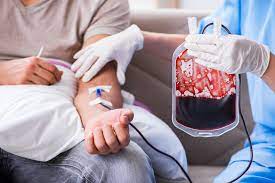
What sets this approval apart is its broad regulatory indication: the FDA has authorized the medication for the treatment of thyroid eye disease regardless of whether the condition is in its acute, active inflammatory stage or its long-standing, chronic phase. The treatment regimen consists of a five-infusion course administered over a 12-week period, representing a shorter treatment window and fewer total clinic visits than established protocols for older standard therapies.
+-------------------------------------------------------------+
|               Veligrotug At A Glance                        |
+-------------------------------------------------------------+
| • Mechanism: Anti-IGF-1R antibody                           |
| • Administration: Intravenous (IV) infusion                 |
| • Dosing Schedule: 5 infusions total over 12 weeks          |
| • Target Population: Both active and chronic TED patients    |
+-------------------------------------------------------------+
Inside the Clinical Data: The THRIVE and THRIVE-2 Trials
The regulatory approval follows a detailed review of data compiled from two large-scale, late-stage clinical trials: THRIVE, which evaluated 113 patients with moderate-to-severe active TED, and THRIVE-2, which evaluated 188 patients navigating the chronic phase of the condition. In both global, double-masked, placebo-controlled trials, the drug met all primary and secondary statistical endpoints, demonstrating rapid reductions in eye bulging (proptosis) and double vision (diplopia).
Data from the trials revealed significant findings:
-
Proptosis Reduction: In the active disease cohort (THRIVE), 70% of patients receiving veligrotug achieved a significant reduction in eye bulging (defined as a decrease of 2 mm or greater) by week 15, compared to just 5% of the placebo group.
-
Double Vision Resolution: In the chronic disease cohort (THRIVE-2), veligrotug became the first anti-IGF-1R therapy to demonstrate a statistically significant resolution of double vision in a Phase 3 trial setting, with 56% of patients showing a positive response compared to 25% on placebo.
-
Onset and Durability: Clinically meaningful improvements in tissue swelling and eye position were recorded as early as three weeks following the first initial infusion. Long-term follow-up data showed that 70% of the initial responders maintained their symptom reduction through 52 weeks.
Understanding the Impact of Thyroid Eye Disease
Thyroid eye disease—historically referred to as Graves’ ophthalmopathy—is a complex autoimmune condition where the body’s immune defenses mistakenly attack the fat, muscle, and connective tissues surrounding the eye socket. While closely linked to thyroid imbalances like hyperthyroidism, clinical reviews confirm that the condition can emerge and progress even when a patient’s circulating thyroid hormones are perfectly managed through medication.
The physical reality of the condition goes far beyond aesthetic alterations. As tissues swell within the rigid, bony confines of the eye socket, the eyeballs are pushed forward. This causes severe dryness, chronic pain, redness, and misalignment that leads to debilitating double vision. In severe, unmanaged cases, the extreme pressure within the orbit can compress the optic nerve or cause corneal ulcers, leading to permanent vision loss.
Medical authorities emphasize that lifestyle choices play a disproportionately massive role in the trajectory of the disease. According to consensus statements from the American Thyroid Association, individuals who smoke face a significantly higher risk of developing severe, progressive forms of the disease and show diminished responses to medical therapies.
Independent Experts Emphasize Comprehensive Care
“Having a second targeted agent approved for thyroid eye disease is a major milestone for clinical practice,” explains Dr. Elena Rostova, an orbital surgery specialist and neuro-ophthalmologist at the Mid-Atlantic Eye Institute, who was not involved in the clinical trials. “For years, clinicians faced a monopoly when prescribing targeted biologics. A new option encourages broader market access, gives us flexibility when tailoring treatments to individual patient tolerances, and provides a crucial alternative for individuals who fail to respond to existing protocols.”
However, independent specialists urge a balanced view regarding the role of new therapeutics. Dr. Rostova notes that while advanced biological therapies dramatically reduce localized tissue inflammation, they are not a standalone cure.
“A new intravenous medication is an invaluable asset in our medical toolkit, but it does not replace the foundation of comprehensive care,” Dr. Rostova cautions. “Optimal outcomes still rely fundamentally on early diagnosis, smoking cessation programs, precise thyroid hormone stabilization, and seamless, ongoing coordination between endocrinologists and ophthalmology teams.”
Side Effects, Limitations, and Cautious Interpretation
While the phase 3 trials indicated that veligrotug was generally well tolerated, with a low discontinuation rate of approximately 4%, the treatment is not without risks. Health professionals note that anti-IGF-1R antibodies carry a well-documented class profile of adverse events that require proactive screening and ongoing patient monitoring.
In the pooled phase 3 data, the most frequently reported side effects among patients receiving the active drug included muscle spasms (reported in 36% to 43% of participants), headaches, and temporary menstrual irregularities among female patients. Crucially, mild-to-moderate hearing impairment or tinnitus—a known complication associated with blocking the IGF-1 receptor pathway—was observed in 13% of patients in the chronic trial arm compared to 3% in the placebo group.
Furthermore, health journalists and clinical reviewers note that while the top-line summary metrics released by the drug’s sponsor are highly encouraging, the complete peer-reviewed publication of the full phase 3 dataset across all subgroup categories will provide the broader scientific community with a more transparent understanding of the drug’s long-term safety profile and potential rare side effects.
What This Means for Consumers and Healthcare Providers
For health-conscious consumers and families impacted by thyroid eye disease, the practical takeaway is one of expanded opportunity. The availability of an alternative therapy creates options for individuals who may have faced financial, insurance, or clinical barriers to accessing prior treatments. Patients experiencing classic warning signs—such as progressive eye bulging, persistent double vision, an unexplained “gritty” feeling in the eyes, or deep orbital pain—are strongly encouraged to seek early specialist evaluations rather than waiting for symptoms to clear up on their own.
For practicing clinicians, the approval introduces an efficient 12-week, five-infusion schedule that could ease the scheduling burden for busy infusion centers. However, real-world adoption will ultimately depend on how major insurance providers structure coverage, how smoothly patient-assistance programs handle out-of-pocket costs, and how individual specialists weigh the drug’s rapid symptom relief against its potential hearing-related side effects in daily practice.
References
-
- https://www.reuters.com/business/healthcare-pharmaceuticals/us-fda-greenlights-viridians-eye-disease-drug-2026-06-26/
Medical Disclaimer: This article is for informational purposes only and should not be considered medical advice. Always consult with qualified healthcare professionals before making any health-related decisions or changes to your treatment plan. The information presented here is based on current research and expert opinions, which may evolve as new evidence emerges.