 0
0
 0
0
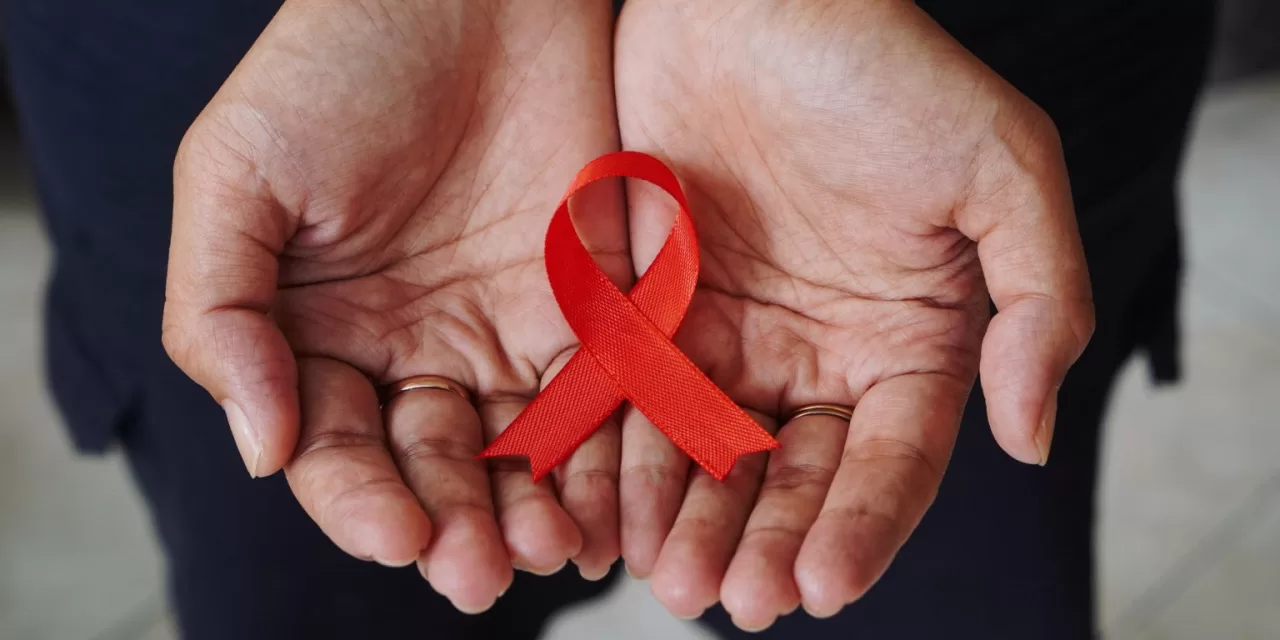
NEW YORK — At a critical high-level United Nations General Assembly meeting convened at the UN Secretariat in New York on June 22, 2026, UN Secretary-General António Guterres urged global governments to renew political commitments and close severe funding and access gaps, warning that the decades-long fight against HIV and AIDS is stalling at a crucial juncture. Speaking to international delegates, global health leaders, and civil society representatives, Guterres emphasized that while medical advancements have saved millions of lives, the world must aggressively accelerate structural, financial, and political efforts to successfully end AIDS as a public health threat by the target year of 2030.
A Tale of Two Realities: Landmark Achievements Face Deepening Shortfalls
The global response to the HIV epidemic has yielded historic public health achievements, yet newly released monitoring data reveals an deeply uneven and fragile picture. According to the United Nations, global AIDS-related deaths have fallen by 70% since their historical peak in 2004, and dropped 54% since 2010. Furthermore, expanding access to HIV prevention and treatment services has successfully reduced annual new infections by 40% over the last decade and a half.
By the close of 2024, more than 32 million people living with HIV globally were receiving lifesaving antiretroviral therapy (ART). However, the UN chief delivered a sobering counter-statistic: 9.2 million individuals who were living with the virus still completely lacked access to essential HIV treatment.
Public health institutions stress that these metrics reveal an alarming dichotomy. While scientific and medical tools are more sophisticated than ever, the epidemic remains highly active and unevenly controlled due to socio-economic barriers rather than biological limitations. The UN’s central thesis at the summit was unambiguous: the remaining barriers to ending the epidemic are not medical, but rather a lack of localized political will, sustainable financing, and equitable healthcare access.
Tracking the Current Global Burden
The high-level General Assembly meeting serves as an urgent political and accountability checkpoint. Member States are reviewing failures to fully achieve the 2025 interim benchmarks while negotiating a new UN Political Declaration on HIV and AIDS to direct international strategy through 2031.
Data compiled by the Joint United Nations Programme on HIV/AIDS (UNAIDS) and the World Health Organization (WHO) outlines the massive scale of the ongoing epidemic:
-
Total Burden: Approximately 40.8 million people worldwide were living with HIV at the end of 2024.
-
New Infections: An estimated 1.3 million individuals newly acquired the virus in 2024 alone—translating to roughly 3,500 new infections every day.
-
Mortality: Roughly 630,000 people died from AIDS-related illnesses globally over the course of 2024.
Despite the persistent burden, historical trends emphasize the profound impact of scaling up antiretroviral therapies. UNAIDS data confirms that the 31.6 million people actively accessing ART at the close of 2024 represents a massive leap from just 7.7 million individuals on treatment in 2010.
Global HIV Care Cascade (WHO 2024 Data)
===========================================================
[87%] Know Their HIV Status
      └───> [77%] Receiving Antiretroviral Therapy (ART)
            └───> [73%] Achieved Viral Suppression
===========================================================
According to WHO global data, by the end of 2024, 87% of all people living with HIV were aware of their status, 77% were receiving active treatment, and 73% had successfully achieved “viral suppression.” Viral suppression means that daily adherence to medication reduces the amount of virus in a patient’s blood to undetectable levels. This completely eliminates the risk of transmitting the virus to others sexually, transforming a once-fatal diagnosis into a highly manageable, chronic health condition.
Structural Barriers and the ‘Five Acceleration Paths’
Independent public health experts argue that further medical breakthroughs are secondary to fixing fractured healthcare delivery systems.
“We have highly effective daily pills, long-acting injectables, and pre-exposure prophylaxis (PrEP) that can completely block transmission,” notes Dr. Helen Vance, an infectious disease epidemiologist and global health policy analyst who was not involved in the UN proceedings. “But a medical tool is 0% effective if a patient cannot afford it, faces arrest for seeking it, or must walk three days to reach a clinic. The final mile of the HIV response is entirely structural.”
To overcome these roadblocks, the UN outlined five definitive “acceleration paths” for member nations:
-
Closing access gaps across the continuum of prevention, testing, treatment, and long-term care.
-
Strengthening and integrating community leadership directly into national public health responses.
-
Protecting human rights by removing punitive legal frameworks that target vulnerable populations.
-
Securing predictable international and domestic financing amidst mounting macroeconomic pressures.
-
Reviving multilateral cooperation to ensure equitable technology transfers and price transparency for novel long-acting therapies.
Regional Inequality and Funding Vulnerabilities
A major limitation of looking at global averages is that they frequently mask extreme regional disparities. The burden of the epidemic remains disproportionately concentrated in the WHO African Region, which accounts for more than two-thirds of all people living with HIV worldwide. Furthermore, structural and legal barriers continue to drive disproportionate infection rates among marginalized groups, including sex workers, transgender individuals, and men who have sex with men.
Simultaneously, serious policy debates are unfolding regarding the long-term sustainability of HIV funding. Many middle-income countries are transitioning away from external international donor support, such as the Global Fund or the U.S. President’s Emergency Plan for AIDS Relief (PEPFAR). Health economists warn that if domestic health budgets do not quickly absorb these costs, critical programs—particularly community-led testing initiatives and preventative PrEP rollouts—could face catastrophic funding shortfalls, triggering localized resurgences of the virus.
What This Means for Communities and Individuals
For health-conscious consumers and local communities, the UN’s high-level warnings underscore that HIV remains a critical community health priority. Public health protection relies directly on personal awareness and proactive healthcare utilization. Experts emphasize that individual steps remain the most effective tools to suppress community-level transmission:
-
Regular testing for individuals with dynamic risk factors to ensure early detection.
-
Immediate linkage to care upon diagnosis to preserve immune function and prevent illness.
-
Consistent adherence to ART for individuals living with HIV to protect personal health and prevent transmission to partners.
-
Expanding utilization of PrEP, an highly effective preventative medication regimen for individuals at elevated risk of exposure.
As health systems continue to struggle with the dual burdens of infectious diseases and rising chronic conditions, integrating HIV services directly into primary healthcare settings remains vital to preserving the hard-won gains of the past twenty-five years.
Medical Disclaimer
Medical Disclaimer: This article is for informational purposes only and should not be considered medical advice. Always consult with qualified healthcare professionals before making any health-related decisions or changes to your treatment plan. The information presented here is based on current research and expert opinions, which may evolve as new evidence emerges.
References
Institutional & Media Sources
-
Xinhua News Agency / China.org.cn. UN chief urges political will to accelerate, finish global HIV fight. Published June 22, 2026.