 0
0
 0
0
THIRUVANANTHAPURAM, KERALA — Confronting a sophisticated, multi-layered public health challenge, the Kerala Health Department has mobilized a localized, three-pronged containment strategy. State health authorities reported 10 new cases of bacterial Shigella infection on Monday, driving the year’s cumulative caseload to 226. Even as medical teams work aggressively to disrupt community transmission of this enteric pathogen, the state remains under high alert for more lethal hazards. Officials confirmed that the recent localized transmission of the highly fatal Nipah virus has been successfully contained, while defensive screening protocols against the potential importation of Ebola virus have been sharply intensified across all major international entry points.
1. The Shigella Surge: An Ongoing Crisis in June
The recent spike in Shigella infections indicates that the state is dealing with a significant, sustained public health issue rather than a routine seasonal fluctuation. The 10 newly confirmed infections span four districts, with Kozhikode recording seven cases, and Wayanad, Ernakulam, and Malappuram each documenting a single case.
According to data released by Kerala Health Minister K. Muraleedharan, the month of June alone has seen an alarming acceleration of the disease, accounting for 150 cases and six fatalities. Active community outbreaks have been officially declared across multiple northern and southern districts, including Kozhikode, Wayanad, Thrissur, and Alappuzha, alongside scattered cases reported in seven other districts.
+-------------------------------------------------------------------+
|               KERALA SHIGELLA CASELOAD PROFILE (2026)             |
+------------------------------------+------------------------------+
| Cumulative Annual Cases            | 226 cases                    |
+------------------------------------+------------------------------+
| June Contribution                  | 150 cases (66% of annual)    |
+------------------------------------+------------------------------+
| Total Fatalities (June)            | 6 deaths                     |
+------------------------------------+------------------------------+
| Primary Hotspot District           | Kozhikode (Outbreak declared)|
+------------------------------------+------------------------------+
Understanding Shigellosis
Shigella refers to a genus of highly infectious Gram-negative bacteria that invade the epithelial lining of the human intestines, causing an illness known as shigellosis. According to the Centers for Disease Control and Prevention (CDC), the pathogen is highly contagious due to its exceptionally low infectious dose—ingesting as few as 10 to 100 bacterial cells can trigger severe clinical disease.
The CDC notes that clinical symptoms typically manifest one to two days following exposure. Patients frequently present with:
-
Acute, watery diarrhea that often progresses to classic bacillary dysentery (stools containing visible blood and mucus).
-
High-grade fever and severe, debilitating abdominal cramps.
-
Tenesmus—a painful, persistent, and urgent sensation of needing to pass stool even when the bowels are completely empty.
2. Local Transmission Dynamics and Vulnerable Populations
The primary mechanism of Shigella transmission is the fecal-oral route. Microscopic amounts of contaminated feces are inadvertently ingested via contaminated drinking water, improperly handled food, contact with contaminated surfaces, or direct person-to-person contact. This makes the pathogen particularly dangerous in environments with strained sanitary infrastructure or dense communal living, such as schools, daycare centers, and crowded residential sectors.
“Shigella thrives wherever hand hygiene lapses or water treatment systems are compromised,” explains Dr. Arunkumar G., an independent epidemiologist and public health expert not involved in the state’s direct response. “Because it sheds heavily in stool for weeks post-recovery, households and institutional settings face immense secondary attack rates if strict isolation and sanitation are not enforced immediately.”
The CDC emphasizes that while individuals across all age brackets remain susceptible, young children under the age of five, elderly individuals, and immunocompromised patients face the highest risk of severe complications. In vulnerable demographics, untreated shigellosis can rapidly progress to profound dehydration, bloodstream infections (bacteremia), toxic megacolon, or hemolytic uremic syndrome (HUS)—a life-threatening condition characterized by the destruction of red blood cells and acute kidney failure.
3. Parallel Safeguards: Nipah Containment and Ebola Prevention
While managing the high-volume bacterial outbreak of Shigella, health personnel are simultaneously maintaining defenses against two viral pathogens with significantly higher mortality rates.
The Nipah Response
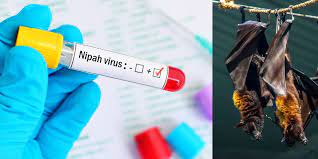
In stark contrast to the diarrheal spread of Shigella, the Nipah virus is a highly lethal zoonotic pathogen (transmissible from animals to humans) that can also spread via close person-to-person contact. The World Health Organization (WHO) estimates Nipah’s case-fatality rate between 40% and 75%, making it one of the most deadly pathogens under active global surveillance.
Minister Muraleedharan announced that strict epidemiological containment measures implemented in Kozhikode have proven effective. The localized outbreak has been successfully confined to a single index patient, a 43-year-old male who remains on ventilator support at the Government Medical College Hospital in Kozhikode. Intensive contact tracing mapped 104 individuals on the exposure list. Crucially, diagnostic testing of 15 symptomatic close contacts returned negative results, and low-risk individuals are systematically being cleared as they complete their mandatory 21-day incubation window without developing symptoms.
Ebola Border Surveillance
Operating on a preventive footing, the state has also upgraded its defensive screening at all international airports and seaports to counter the risk of imported Ebola virus disease. Triggered by active transmission clusters in the Democratic Republic of the Congo, Uganda, and South Sudan, Kerala health workers have screened and logged 206 travelers arriving from affected African regions.
The state’s protocol aligns with WHO travel and transport frameworks, which emphasize rigorous exit and entry screening alongside mandatory monitoring rather than broad, economically disruptive travel bans. Currently, 74 individuals are undergoing a strict 21-day home quarantine under the supervision of local primary health centers, while 75 have safely completed their observation period. To ensure comprehensive coverage, specialized isolation and quarantine wards have been equipped across all 14 districts.
4. Current Constraints and Public Health Caveats
Independent medical experts note that while the state’s multi-layered response is robust, public health reporting must navigate several critical blind spots during an active crisis.
First, because current case aggregates are compiled dynamically from field surveillance and real-time media updates of official briefings, initial tallies remain subject to retrospective adjustment as pending laboratory cultures confirm or rule out suspected cases.
Second, the current public health brief leaves several vital microbiological variables unquantified:
-
Subtype Specification: It is currently unknown whether the outbreak is driven by Shigella sonnei (common in developing economies transitioning to higher sanitation levels) or the more severe Shigella flexneri.
-
Antimicrobial Resistance (AMR) Profiles: The CDC has warned of a global surge in drug-resistant Shigella strains. Without precise genomic and susceptibility data, clinicians must rely on empirical tracking, which complicates treatment if the strain exhibits resistance to standard front-line antibiotics like azithromycin or ciprofloxacin.
5. Practical Guidance for Everyday Protection
For the general public, health authorities emphasize that the immediate, day-to-day infectious risk within Kerala stems overwhelmingly from Shigella exposure rather than the highly contained or external threats of Nipah and Ebola. Disrupted municipal pipelines, heavy monsoon rains, and unchlorinated open wells frequently serve as major vectors for waterborne outbreaks.
To minimize the risk of infection, families and healthcare workers should strictly adhere to foundational hygiene protocols:
-
Rigorous Handwash Regimens: Wash hands vigorously with soap and clean running water for at least 20 seconds after using the restroom, changing diapers, or handling soiled linens, and invariably before preparing or consuming food.
-
Water and Food Safety: Consume exclusively boiled or reliably chlorinated drinking water. Avoid raw, unpeeled fruits and vegetables unless thoroughly washed with safe water, and ensure all food items are served piping hot.
-
Strict Symptom Isolation: Any individual experiencing acute diarrheal symptoms must remain isolated from food preparation duties and should be kept home from work, school, or daycare settings until cleared by a qualified healthcare provider.
6. References & Data Sources
- https://health.economictimes.indiatimes.com/news/industry/kerala-reports-10-new-shigella-cases-nipah-contained-ebola-vigil-intensified/131927425?utm_source=top_story&utm_medium=homepage
Medical Disclaimer
Medical Disclaimer: This article is for informational purposes only and should not be considered medical advice. Always consult with qualified healthcare professionals before making any health-related decisions or changes to your treatment plan. The information presented here is based on current research and expert opinions, which may evolve as new evidence emerges.